


Contents
Are there any health benefits to using Himalayan salt?
Himalayan salt, also known as pink salt or rock salt, is a type of salt that is mined from the Punjab region of Pakistan. It is often used as a healthier alternative to regular table salt, and is believed to have several health benefits.
One of the main benefits of Himalayan salt is that it contains trace minerals such as magnesium, potassium, and calcium, which are important for overall health. The minerals in Himalayan salt are believed to help with everything from regulating blood sugar levels to improving digestion.
In addition to its mineral content, Himalayan salt is also believed to help with detoxification. It is said to have a cleansing effect on the body, helping to remove toxins and impurities. Some people even use Himalayan salt as a natural deodorant, as it is believed to help kill bacteria that can cause body odor.
Overall, while more research is needed to confirm the health benefits of Himalayan salt, many people believe that it is a healthier alternative to regular table salt due to its mineral content and detoxifying properties.

Introduction
Himalayan salt has been gaining popularity in recent years as a healthier alternative to regular table salt. But is it really worth the hype? In this blog post, we’ll explore some of the health benefits of Himalayan salt and whether or not it’s a good choice for your overall wellbeing.
What is Himalayan salt?
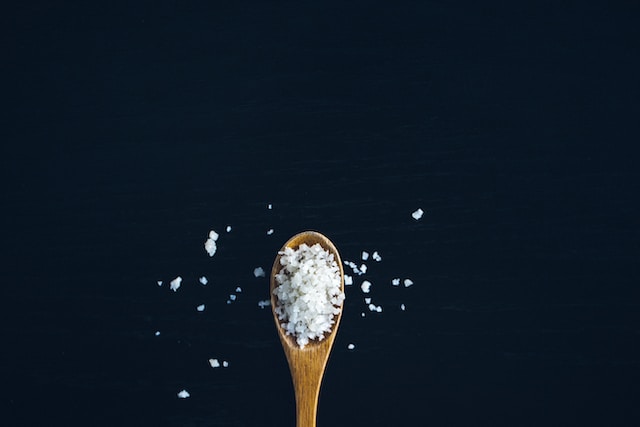
Himalayan salt is a type of rock salt that comes from the Punjab region of Pakistan. It is known for its pink hue, which comes from the presence of iron oxide. Proponents of Himalayan salt claim that it’s healthier than regular table salt because it’s less processed and contains more minerals.
Health Benefits of Himalayan Salt
Contains More Minerals
One of the main claims about Himalayan salt is that it contains more minerals than regular table salt. While this is true, it’s important to note that the amounts of minerals in Himalayan salt are relatively small. Some of the minerals found in Himalayan salt include:
- Calcium
- Potassium
- Magnesium
- Sulfate
- Bromide
While it’s always good to get more minerals in your diet, it’s unlikely that the small amounts found in Himalayan salt will have any significant impact on your overall health.
May Help with Hydration
Another claim about Himalayan salt is that it can help with hydration. The theory goes that because Himalayan salt contains minerals, it can help your body better absorb water. However, there is not a lot of scientific evidence to support this claim.
Possible Respiratory Benefits
Some people claim that inhaling Himalayan salt can help with respiratory issues like asthma and allergies. While there is some evidence to suggest that inhaling salt can help with these issues, it’s unclear whether or not Himalayan salt specifically is more effective than regular salt.
Is Himalayan Salt a Good Choice?
While Himalayan salt may have some health benefits, it’s important to remember that it’s still salt. Consuming too much salt can lead to high blood pressure and other health problems. It’s also relatively expensive compared to regular table salt, which may not be worth it for some people.
If you’re looking for a healthier alternative to regular table salt, there are other options to consider. Sea salt and kosher salt are also less processed than table salt and may contain more minerals.
Conclusion
While Himalayan salt may have some health benefits, it’s important to remember that it’s still salt. Consuming too much salt can lead to health problems, and the benefits of Himalayan salt may not be significant enough to justify the higher cost. If you’re looking for a healthier alternative to regular table salt, consider options like sea salt or kosher salt.
Sources
- https://www.medicalnewstoday.com/articles/315081
- https://www.healthline.com/nutrition/himalayan-salt
FAQs: Are there any health benefits to using Himalayan salt?
What is Himalayan salt?
Himalayan salt is a type of rock salt that is extracted from the Khewra salt mines, located at the foothills of the Himalayan range in Pakistan. It is believed to be one of the purest forms of salt available.
What makes Himalayan salt different from other types of salt?
Himalayan salt is different from other types of salt because of its mineral content. It contains over 80 minerals and trace elements such as magnesium, potassium, and calcium, which are not present in regular table salt.
What are the health benefits of Himalayan salt?
Himalayan salt is believed to have several health benefits, including:
- Regulating water in the body
- Supporting the respiratory system
- Preventing muscle cramps
- Lowering blood pressure
- Improving digestion
- Supporting healthy pH balance in the body
How should I use Himalayan salt?
Himalayan salt can be used in various ways, including:
- As a cooking ingredient
- In a salt lamp or bath
- In a saline solution for nasal irrigation
Are there any risks associated with using Himalayan salt?
While Himalayan salt is generally considered safe for consumption, it is important to note that it still contains sodium. Individuals with high blood pressure or health conditions that require a low-sodium diet should consult with their healthcare provider before using Himalayan salt. Additionally, individuals should ensure they purchase Himalayan salt from a reputable source to avoid contamination with other minerals or heavy metals.

The Surprising Benefits of Using Salt in Your Diet
How Salt Can Improve Your Health
Contrary to popular belief, salt can actually have numerous positive effects on your body. Not only does it enhance the flavor of food, but it can also help regulate blood pressure, support proper nerve and muscle function, and even aid in digestion.
How Much Salt Should You Be Consuming?
While salt can be beneficial in moderation, it’s important not to consume too much of it. The recommended daily intake for salt is around 2,300 mg, which is roughly equivalent to one teaspoon. However, it’s important to note that many processed foods can contain high levels of sodium, so it’s important to pay attention to nutritional labels on packaged products.
The Different Types of Salt
Not all salt is created equal! There are several different types of salt, including sea salt, Himalayan salt, and kosher salt. Each type has its own unique taste and texture, and some varieties may contain additional minerals and nutrients.
Conclusion
Overall, consuming salt can have numerous beneficial effects on your health. However, it’s important to consume it in moderation and make sure to choose high-quality, unprocessed varieties.
Click here to learn more about the history and uses of salt on Wikipedia.
Summary: Are there any health benefits to using Himalayan salt?
- Himalayan salt contains numerous minerals and trace elements that can benefit overall health.
- It can help regulate the body’s water levels and support proper hydration.
- The salt may aid in digestion and help enhance the absorption of nutrients.
- Himalayan salt can alleviate respiratory issues and improve lung function.
- It may also have anti-inflammatory and antibacterial properties, which can promote healing and fight infections.
- However, it’s essential to consume Himalayan salt in moderation to avoid any negative side effects.






