



Contents
Are there any health risks associated with consuming too little salt in your diet?
Salt is an essential ingredient in our diet as it helps to regulate various functions in our body, including balancing fluids and maintaining proper nerve and muscle function. While consuming too much salt can increase your risk of developing health problems such as high blood pressure and cardiovascular disease, not getting enough salt can also lead to several health risks.
One of the primary health risks associated with consuming too little salt in your diet is a condition known as hyponatremia. This occurs when the sodium levels in your blood are too low, which can cause symptoms like headaches, confusion, seizures, and even coma in severe cases. Additionally, low salt intake may also contribute to insulin resistance, which can increase your risk of developing type 2 diabetes.
It’s essential to strike a balance between consuming too much and too little salt in your diet. Speak with a healthcare professional and try to incorporate natural sources of sodium, like fruits, vegetables, and lean protein, to ensure your body is getting the necessary amount of salt.

Introduction
Salt is an essential nutrient that our body needs to function properly. It aids in maintaining fluid balance, transmitting nerve impulses and muscle function. However, in recent years, there has been a growing concern regarding sodium intake, and its link to high blood pressure and heart diseases. In this blog, we will discuss the health risks associated with too little sodium intake in our diet.
The recommended daily intake for sodium
According to the American Heart Association (AHA), the recommended daily intake for sodium is 2,300 milligrams (mg) per day for adults. However, for people who are over 50 years old, African American, have high blood pressure or chronic kidney disorders, the recommended intake drops to 1,500 mg per day.
What happens when you consume too little salt?
Consuming too little salt can lead to a number of health issues, including:
-
Low blood sodium levels
-
Increased risk of heart disease
-
Increased insulin resistance
If you consume too little salt, your blood sodium levels can drop, leading to hyponatremia. Symptoms of hyponatremia include headaches, nausea, vomiting, confusion, and seizures.
Low salt intake has been linked to an increased risk of heart disease. A study published in the American Journal of Hypertension found that both very high and very low sodium intakes were associated with an increased risk of cardiovascular disease mortality. The study also found that moderate intake of sodium was associated with the lowest risk of cardiovascular disease.
Research has shown that consuming too little salt may lead to an increased insulin resistance. Insulin resistance is a condition where the body doesn’t respond to the hormone insulin, leading to high blood sugar levels and an increased risk of diabetes.
How to maintain a healthy salt intake level
To maintain a healthy salt intake level, you should:
- Eat fresh fruits and vegetables that are high in potassium, as they can help counteract the blood pressure-raising effects of sodium.
- Read food labels and choose foods that are low in sodium.
- Avoid adding salt to your food when cooking or at the table.
- Choose fresh and unprocessed foods instead of canned or processed foods that are high in sodium.
Conclusion
While it is important to be mindful of our salt intake, consuming too little salt can have detrimental effects on our health. It is important to maintain a healthy balance and to follow the recommended daily intake of sodium according to your age and current medical conditions. By choosing fresh and unprocessed foods and avoiding adding salt to your meals, you can ensure that you are maintaining a healthy salt intake level.
For more information on maintaining a healthy salt intake, please visit the American Heart Association website.
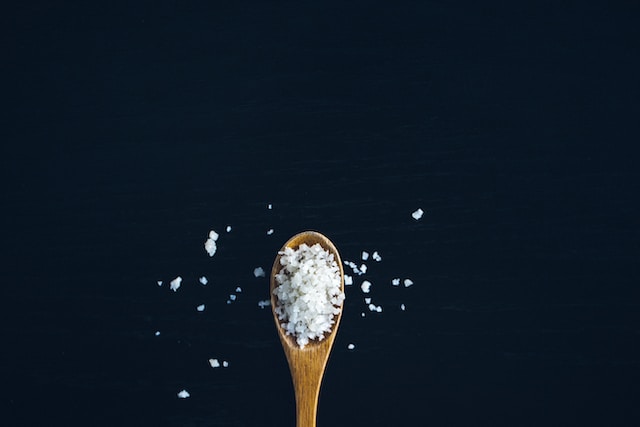
Frequently Asked Questions – Salt Consumption and Health Risks
Are there any health risks associated with consuming too little salt in your diet?
Yes, there are health risks associated with consuming too little salt in your diet. Sodium is an essential mineral that helps regulate blood pressure and fluid balance in the body. Inadequate sodium intake can lead to health problems such as:
- Increased risk of dehydration
- Increased risk of low blood pressure
- Increased risk of hyponatremia (low blood sodium levels)
- Increased risk of kidney disease
It is important to maintain a proper balance of sodium in your diet. The American Heart Association recommends that adults consume no more than 2,300 milligrams (mg) of sodium per day, which is about one teaspoon of salt. However, some individuals may need to consume less sodium based on their age, risk factors, or medical conditions.

Salt Varieties
Salt is a mineral that is widely used all over the world. There are numerous types of salts, each with its own unique characteristics and uses.
Sea Salt
Sea salt is obtained through the evaporation of seawater. It is generally less refined than other types of salt, making it more mineral-rich. Sea salt is often used for cooking, baking, and seasoning due to its unique flavor profile.
Kosher Salt
Kosher salt is used in the koshering process, which involves removing blood from meat. It has a coarser texture and does not contain any additives, making it an ideal choice for cooking and seasoning.
Himalayan Salt
Himalayan salt is a type of rock salt that is mined from the Khewra Salt Mine in Pakistan. It is said to be one of the purest forms of salt, containing more than 80 minerals. It is often used for cooking and as a decorative element due to its unique pink color.
Salt Uses
Aside from its use for flavoring and seasoning, salt has many other uses as well.
Preservation
Salt is a natural preservative and is often used to preserve food, particularly meats and fish. It draws out moisture and slows down the growth of bacteria and other microbes.
Medicinal Uses
Salt has been used for medicinal purposes for centuries. It can be used to soothe sore throats, help with digestion, and even as a natural remedy for skin conditions such as eczema and psoriasis.
Cleaning
Salt can be used as a natural cleaning agent due to its abrasive texture. It can be used to clean grime from pots and pans, remove stains from clothing, and even as a natural exfoliant for the skin.
Conclusion
As you can see, salt is a versatile mineral that has many uses beyond its role as a seasoning. From the different varieties of salt to its numerous uses, it is clear that salt has played an important role in human history and will continue to do so in the future.
For more information on salt, please visit the Salt Wikipedia page.
Health Risks of Consuming Too Little Salt
- Dehydration, as salt plays a role in maintaining proper fluid balance in the body
- Higher risk of cardiovascular disease, as low salt intake can lead to increased blood pressure and heart complications
- Increased risk of insulin resistance and Type 2 diabetes, as insufficient sodium intake can affect the body’s metabolism
- Higher risk of cognitive decline and neurological disorders, as salt is necessary for proper brain function







