


Contents
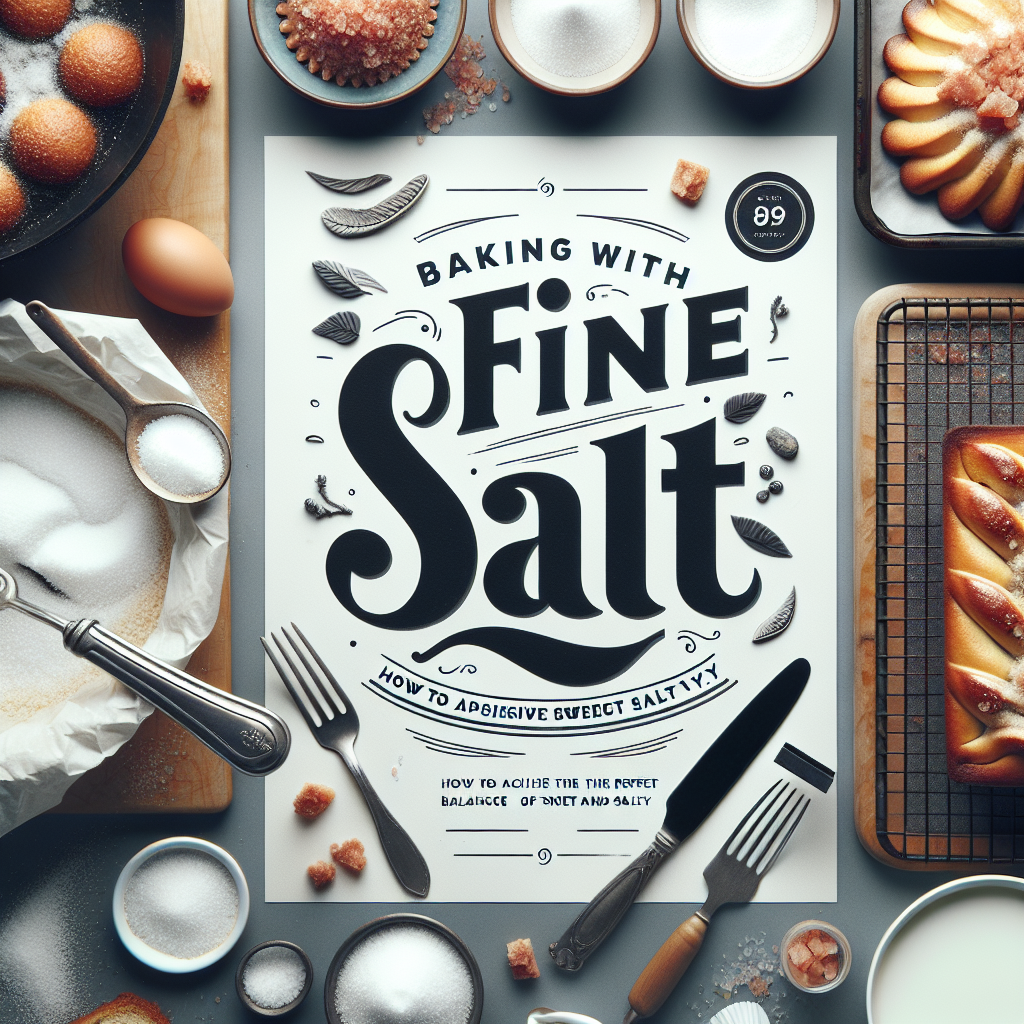
Baking with Fine Salt: How to Achieve the Perfect Balance of Sweet and Salty
Baking is an art that requires precision in flavor balance, and one of the most underrated ingredients in the baker’s toolkit is fine salt. While many recipes focus on sweeteners, the addition of just the right amount of fine salt can elevate the overall taste of your baked goods. It enhances sweetness, balances richness, and can bring out flavors in a way that makes your treats unforgettable. In this guide, we’ll explore the science behind salt in baking, tips for incorporation, and a few recipes that showcase the perfect sweet and salty harmony.

Understanding the Role of Salt in Baking
Salt is often thought of as a purely savory ingredient, but it plays a crucial role in baking, especially when it comes to balancing flavors. Fine salt can enhance sweetness and add a depth of flavor that makes baked goods exceptionally delightful.
The Chemistry of Salt in Baking
Salt molecules interact with flour proteins, helping to strengthen gluten structure. Additionally, it combats bitterness and enhances sweetness, leading to a more rounded flavor profile.
Types of Salt Used in Baking
While coarse salts are suitable for finishing touches, fine salts are preferred during the baking process due to their quick dissolving nature.
Sweet and Salty Combinations
The classic combination of sweet and salty is not new but has gained popularity in recent years. These contrasts can add complexity to your baked goods.
Why Balance is Key
Achieving the perfect harmony between sweetness and saltiness is essential. Too much salt can overpower sweetness, while too little can result in bland flavors.
Popular Sweet and Salty Treats
- Salted Caramel Brownies
- Chocolate Chip Cookies with Sea Salt
- Pretzel Turtles
- Pecan Pie with a Salty Crust
Tips for Baking with Fine Salt
1. Measure Accurately
Measuring salt correctly is crucial. Use a kitchen scale or standardized measuring spoons to avoid overpowering your cake or cookie.
2. Taste as You Go
When you’re unsure about the saltiness, do a taste test of your batter or dough before baking. This will help you make necessary adjustments.
3. Incorporate Salt into Different Stages
Consider adding fine salt during different stages of baking. For example, sprinkle some on top of your cookies before baking for that burst of flavor.
Conclusion
Fine salt can transform your baking from good to great by enhancing flavors and providing a delightful contrast to sweetness. Experiment with your recipes and enjoy the delicious balance of sweet and salty!
For more baking tips, check out Bon Appétit.
FAQs about Baking with Fine Salt
Why is fine salt used in baking?
Fine salt dissolves more quickly than coarse salt, ensuring a more even distribution of flavor throughout the batter or dough.
How does salt enhance sweetness in baked goods?
Salt enhances sweetness by balancing flavors. The contrast between sweet and salty can elevate the overall taste experience of your baked goods.
What is the ideal amount of fine salt to use in recipes?
A general guideline is to use about 1/2 teaspoon of fine salt per cup of flour. Adjust depending on your taste preference and the other ingredients used.
Can I substitute fine salt with other types of salt?
Yes, but be mindful of the texture and salinity. Coarse salts may not dissolve as quickly, while kosher salt typically has larger grains, so you’ll need to adjust the quantity.
What types of baked goods benefit most from the addition of fine salt?
Sweet desserts like cakes, cookies, and brownies greatly benefit from the addition of fine salt. Even savory breads can achieve deeper flavors with the right amount.
How can I experiment with sweet and salty flavors?
Try adding toppings like sea salt to caramel or using salted butter in your cookie recipes. This experimentation can lead to delightful flavor combinations.

What is Fine Salt?
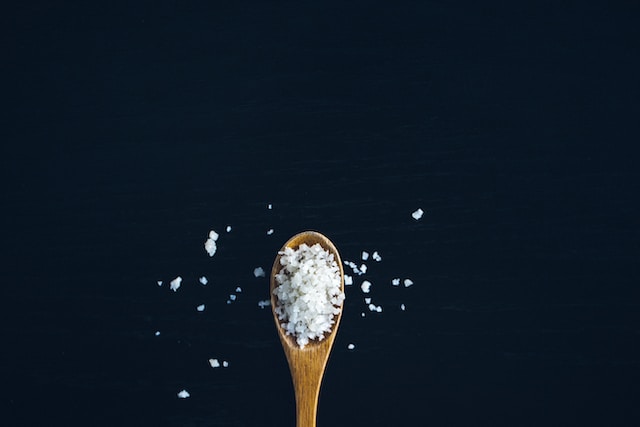
Fine salt, often referred to as table salt, is a common ingredient in baking. Its fine grain allows for quick dissolution, making it an excellent choice for recipes where a smooth texture is essential.
Benefits of Using Fine Salt in Baking
- Enhanced Flavor: Fine salt can amplify the flavors of other ingredients, leading to a more balanced final product.
- Consistent Mixing: Its fine texture ensures even distribution throughout the batter or dough.
- Improved Texture: When used in the right proportions, fine salt can contribute to a better texture in baked goods.
Different Types of Fine Salt
There are several varieties of fine salt available for baking, including:
- Regular Table Salt: The most commonly used, often iodized for added health benefits.
- Sea Salt: Harvested from evaporated seawater and may contain trace minerals.
- Himalayan Pink Salt: Known for its distinct color and mineral content, although used less frequently in baking.
Where to Learn More
For additional information on the properties and uses of fine salt, you can visit the Wikipedia page on Salt.
Baking with Fine Salt: How to Achieve the Perfect Balance of Sweet and Salty
- Understanding the Role of Salt: Enhances flavor and balances sweetness.
- Choosing the Right Salt: Fine salt dissolves easily and distributes uniformly.
- Measurement Matters: Use precise amounts to avoid overpowering sweetness.
- Complementing Ingredients: Pair with sweet components like chocolate or caramel.
- Taste Testing: Always taste your batter or dough before baking.
- Experimentation: Adjust salt levels based on personal preference and recipe specifics.






