

Contents
Beyond Salt: Exploring the Versatility of White Pepper in Cooking
White pepper is a widely used spice that adds a unique flavor and aroma to various dishes. Often overshadowed by its more popular counterpart, salt, white pepper is gaining recognition for its versatility in cooking.
Derived from the same plant as black pepper, white pepper is made by removing the outer layer of the black peppercorn. This process gives it a milder flavor and a slightly different aroma.
One of the key benefits of white pepper is its ability to enhance the taste of dishes without overpowering them. It provides a subtle heat and depth of flavor that complements a wide range of cuisines.
White pepper is commonly used in soups, sauces, and creamy dishes. Its mild flavor allows it to blend seamlessly with other ingredients, creating a harmonious taste profile. It can also be used to season vegetables, meats, and marinades, adding a delicate kick.
Moreover, white pepper is an ideal choice for those who prefer a milder spice level. It offers the perfect balance of flavor and heat, making it suitable for individuals with a sensitive palate.
Not limited to savory dishes, white pepper can also be used in sweet treats such as chocolate-based desserts or fruit salads. Its gentle spiciness can bring an unexpected element to these sweet creations.
As you explore the world of white pepper in cooking, you will discover its unique ability to enhance and elevate a variety of dishes. So next time you reach for that salt shaker, consider adding some white pepper to your culinary repertoire.
Beyond Salt: Exploring the Versatility of White Pepper in Cooking
Introduction
White pepper is a versatile spice that adds a unique flavor and aroma to various dishes. Often overshadowed by its popular counterpart, black pepper, white pepper offers a milder and more nuanced taste, making it a valuable ingredient in many cuisines. In this blog post, we will explore the various uses and benefits of white pepper in cooking.
Understanding White Pepper
White pepper comes from the same plant as black pepper, known as Piper nigrum. The difference lies in the processing method. While black pepper is harvested when the berries are still unripe and then dried, white pepper is made from ripened berries that are soaked in water and then the outer skin is removed. This process gives white pepper a distinct flavor and aroma.
Flavor Profile and Culinary Uses
White pepper has a subtle and slightly musky flavor with earthy undertones. It is less pungent than black pepper, making it ideal for recipes where a milder spice level is desired. Its versatile nature allows it to be used in various dishes, including:
- Soups and stews
- Sauces and marinades
- Meat and poultry dishes
- Seafood and fish preparations
- Vegetables and stir-fries
White pepper can also be used in spice blends, such as curry powders and seasoning mixes, to add depth and complexity to the overall flavor profile.
Health Benefits of White Pepper
In addition to enhancing the taste of your meals, white pepper offers several potential health benefits:
- Antioxidant properties
- Anti-inflammatory effects
- Aids digestion
- Improves nutrient absorption
- Soothes cold and flu symptoms
Buying and Storing White Pepper
When purchasing white pepper, look for whole peppercorns or freshly ground powder to ensure optimal flavor. Whole peppercorns have a longer shelf life and can be ground as needed. Store white pepper in airtight containers away from direct sunlight, heat, and moisture to maintain its potency.
Conclusion
White pepper is an underrated spice that deserves more attention in the culinary world. Its versatility and unique flavor make it an excellent addition to a wide range of dishes. By adding white pepper to your spice collection, you can elevate your cooking and explore exciting new flavors.
For more cooking inspiration and recipes, check out our blog post on white pepper recipes. Happy cooking!
FAQs
What is white pepper?
White pepper is a spice derived from the dried ripe seeds of the pepper plant. It is a commonly used ingredient in various cuisines around the world.
How is white pepper different from black pepper?
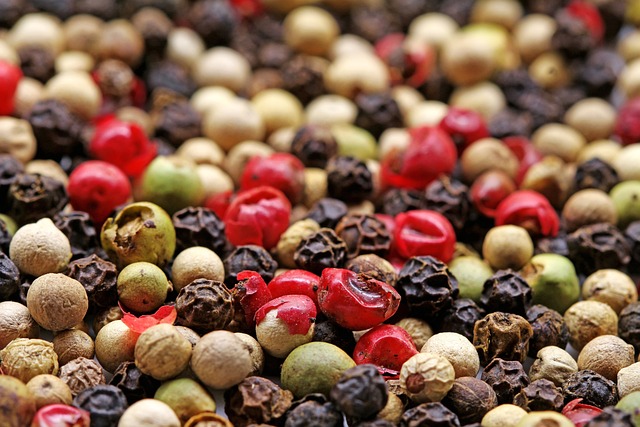
White pepper is made from fully ripe pepper berries, which are soaked in water and allowed to ferment. The outer layer is then removed, revealing the white inner seed. Black pepper, on the other hand, is made from unripe green berries that are dried until they turn black.
Can white pepper be used as a salt substitute?
Yes, white pepper can be used as a substitute for salt in many dishes. It adds a subtle heat and pungency to the food, enhancing the flavors without overpowering them.
What are some dishes where white pepper is commonly used?
White pepper is often used in soups, creamy sauces, mashed potatoes, and stir-fries. It pairs well with seafood, poultry, and vegetables, adding depth and complexity to the dishes.
How should white pepper be stored?
White pepper should be stored in an airtight container in a cool, dark place, away from direct sunlight, heat, and moisture. This helps to maintain its flavor and aroma for a longer period of time.
Can white pepper be used in baking?
Although white pepper is not commonly used in baking sweet treats, it can be incorporated in savory baked goods like bread, quiches, and savory pastries for an added kick of flavor.

Benefits of Using White Pepper in Cooking
Enhance Flavor and Aroma
White pepper, often known as the “king of spices,” is widely used in various cuisines around the world. Unlike black pepper, white pepper has a milder and slightly earthy flavor. It adds a distinct aroma and enhances the taste of dishes, making it a favorite ingredient among chefs.
Culinary Versatility
One of the greatest advantages of white pepper in cooking is its versatility. It can be used in both light-colored and dark-colored dishes, without leaving black specks. It blends easily with other ingredients, making it a versatile spice for any recipe, be it soups, sauces, marinades, or stir-fries.
Improved Digestion
White pepper is known for its digestive properties. It stimulates the taste buds and triggers the production of hydrochloric acid in the stomach, which aids in better digestion. Adding a pinch of white pepper to your meals can help reduce digestive issues such as bloating and gas.
Outbound Link:
For more information about white pepper, you can visit https://en.wikipedia.org/wiki/Pepper

Introduction
-
What is White Pepper?
-
Why Choose White Pepper?
Usage
-
In Traditional Dishes
-
In International Cuisine
-
Health Benefits
Tips and Techniques
-
Grinding White Pepper
-
Pairing with Other Flavors
-
Adjusting for Heat
Conclusion
-
Experimenting with White Pepper
-
Final Thoughts