

Contents
Black Pepper: From Ancient Trade Routes to Your Kitchen Cabinet
Black pepper is a versatile spice that has been a staple in culinary traditions for millennia. With its rich history and bold flavors, black pepper has traveled a long and fascinating journey from ancient trade routes to finding its place in your very own kitchen cabinet.
Ancient civilizations, including the Romans and the Greeks, greatly valued black pepper for its unique taste and potential health benefits. It was often used as a form of currency and was even considered a luxury item. This coveted spice was traded along the famous Silk Road and played a crucial role in shaping world history.
Originating from the plant Piper nigrum, black pepper is harvested from the berries of the pepper plant. Once dried, these berries turn into the distinct peppercorns that we are familiar with. Known for its strong aroma and pungent flavor, black pepper adds depth and complexity to various dishes.
The versatile nature of black pepper makes it a popular ingredient in cuisines worldwide. From enhancing the flavors of savory dishes to being a key component in traditional spice blends, black pepper is an indispensable staple in countless recipes. Whether used in marinades, soups, sauces, or even desserts, this humble spice has the power to elevate any dish.
Black pepper not only brings culinary delight but also boasts several potential health benefits. It has been used in traditional medicine to aid digestion, improve appetite, and alleviate symptoms of respiratory disorders. Additionally, black pepper is rich in antioxidants and may have antimicrobial properties.
Today, black pepper is readily available in the spice section of most supermarkets, making it accessible to people around the world. Its journey from the ancient trade routes has rendered it a ubiquitous spice found in countless households.
So next time you reach for this humble spice sitting in your kitchen cabinet, take a moment to appreciate the fascinating journey it has made, from ancient civilizations to your very own culinary creations.
Black Pepper: From Ancient Trade Routes to Your Kitchen Cabinet
1. The Origins of Black Pepper
Black pepper, scientifically known as Piper nigrum, is a flowering vine that belongs
to the Piperaceae family. It is native to the Malabar Coast of India and has been cultivated for thousands of
years. The spice has played a significant role in ancient trade routes, shaping history and influencing cultures
across the globe.
2. Ancient Trade Routes and Spice Trade
The demand for black pepper during ancient times led to the establishment of extensive trade networks. These
routes, commonly known as the Spice Trade, connected distant regions such as
India, China, the Middle East, and Europe. The spice was highly valued and even used as a form of currency in some
cases. Its trade played a crucial role in the exploration and colonization of different parts of the world.
3. Health Benefits and Culinary Uses
Black pepper has numerous health benefits. Its active compound, piperine, has been
shown to have antioxidant and anti-inflammatory properties. It may also aid in digestion and help improve
absorption of certain nutrients. In the culinary world, black pepper is a staple spice, adding heat, depth, and
flavor to a wide range of dishes, both savory and sweet.
4. Pepper Production and Harvesting
Black pepper is primarily grown in tropical regions such as India, Vietnam, Indonesia, and Brazil. The vine
requires a hot and humid climate to thrive. The peppercorns, which are the fruit of the plant, are harvested at
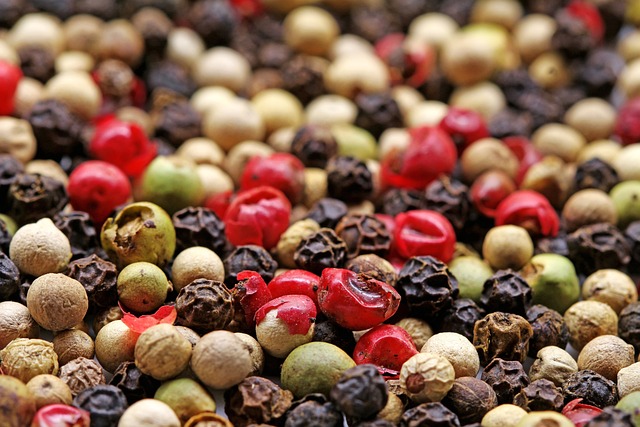
different stages of maturity to produce various types of pepper, including black, green, white, and red.
5. Popular Pepper Varieties
There are several popular varieties of black pepper, each with its unique characteristics. Some notable ones
include Tellicherry, Malabar, Sarawak, and Kampot pepper. These varieties vary in flavor profile, aroma, and
intensity, offering diverse options for culinary exploration.
6. Storing and Using Black Pepper
To maintain its freshness and flavor, black pepper should be stored in airtight containers away from direct
sunlight. Ground pepper loses its potency quicker than whole peppercorns, so it’s best to purchase whole
peppercorns and grind them when needed. Pepper can be used in both whole or powdered form, depending on the
recipe and personal preference.
7. Conclusion
Black pepper’s journey from ancient trade routes to your kitchen cabinet showcases its rich history, cultural
significance, and culinary importance. This versatile spice continues to enhance flavors worldwide and remains an
essential ingredient in countless dishes. Next time you reach for the black pepper, remember the centuries of
passion, exploration, and trade that brought this humble spice to your fingertips.
For further information on spices and their fascinating histories, check out our blog post on the Spice Trade.
Frequently Asked Questions about Black Pepper
What is black pepper?
Black pepper is a commonly used spice that comes from the berries of the Piper nigrum plant. It is known for its pungent and spicy flavor.
Where does black pepper come from?
Black pepper originates from India, specifically the Malabar region. It was later traded throughout Europe and the Middle East through ancient trade routes.
How is black pepper harvested?
The berries of the Piper nigrum plant are harvested when they are still green and unripe. These berries are then dried under the sun, which turns them black and wrinkled.
What are the health benefits of black pepper?
Black pepper is rich in antioxidants and has several health benefits. It is known to improve digestion, promote weight loss, relieve cold and cough symptoms, and enhance nutrient absorption.
How should black pepper be stored?
Black pepper should be stored in a cool, dark, and dry place. It is best to keep it in an airtight container to maintain its flavor and aroma.
Can black pepper be used in cooking?
Absolutely! Black pepper is a versatile spice and can be used in a wide variety of dishes. It adds flavor and depth to both savory and sweet recipes.
What is the difference between black pepper and white pepper?
The main difference between black pepper and white pepper lies in their processing. Black pepper is made from dried, unripe berries, while white pepper is made from fully ripe berries with the outer skin removed.
Are there any alternatives to black pepper?
Yes, if you prefer milder flavors, you can use substitutes like white pepper or cayenne pepper. However, each alternative may have its own distinct taste.

The Health Benefits of Black Pepper
Introduction
Black pepper is not only a popular spice used in culinary dishes, but it also offers numerous health benefits. From aiding digestion to providing antioxidant properties, black pepper has been used for centuries both in cooking and traditional medicine.
Enhancing Digestion
Black pepper stimulates the production of stomach acid, which aids in the digestion of food. It also helps to eliminate gas and bloating, making it an excellent spice to incorporate into your meals if you often experience digestive issues.
Anti-inflammatory Properties
Studies have found that black pepper contains anti-inflammatory compounds that can help alleviate inflammation in the body. This makes it beneficial for conditions such as arthritis and other inflammatory diseases.
Boosting Nutrient Absorption
One interesting fact about black pepper is its ability to enhance the absorption of certain nutrients in the body. Specifically, it increases the bioavailability of nutrients like vitamins A and C, as well as selenium and beta-carotene, which are essential for overall health.
Rich in Antioxidants
Black pepper contains several antioxidants that help protect the body’s cells from damage caused by free radicals. These antioxidants can contribute to reducing the risk of chronic diseases such as cancer and heart disease.
Suggested Uses
There are numerous ways to incorporate black pepper into your daily routine. Whether it’s used as a seasoning on your meals or mixed with other spices to create a unique flavor blend, black pepper can add depth and aroma to various dishes.
With its versatility, black pepper can be used in both savory and sweet recipes. From grilled meats and roasted vegetables to desserts like chocolate pepper cookies, the possibilities are endless!
If you’d like to learn more about black pepper, you can visit the related page on Wikipedia.

Black Pepper: From Ancient Trade Routes to Your Kitchen Cabinet
Origin and History
- Originated from India and widely traded along ancient trade routes.
- Highly valued by Egyptians, Greeks, and Romans for its flavor and medicinal properties.
- Explorers like Christopher Columbus and Vasco da Gama sought new trade routes to access pepper.
Characteristics and Production
- Obtained from the berries of the Piper nigrum plant.
- Comes in three varieties: black, white, and green (unripe).
- Black pepper is made by drying the berries until they turn black.
- India, Vietnam, and Brazil are the largest producers of black pepper.
Culinary and Medicinal Uses
- Commonly used as a seasoning and enhancer in various cuisines worldwide.
- Provides a woody, pungent flavor and adds depth to dishes.
- Believed to aid digestion, improve respiratory health, and have antioxidant properties.
- Used in traditional medicine for its potential pain-relieving and anti-inflammatory effects.
Modern Trade and Availability
- Black pepper is readily available in most grocery stores and supermarkets.
- Global consumption and trade have steadily increased over the years.
- Used in a wide range of products, including spice blends, sauces, and marinades.
- Preferred quality characteristics include aroma, flavor, and piperine content.