


Contents
Black Peppercorns vs. White Peppercorns: What’s the Difference?
When it comes to adding a dash of flavorful spice to our dishes, pepper often takes the center stage. Whether it be black or white peppercorns, these tiny but powerful flavor enhancers can make a big difference in your culinary creations. But what exactly sets black peppercorns apart from their white counterparts? Let’s explore the key differences.
Color
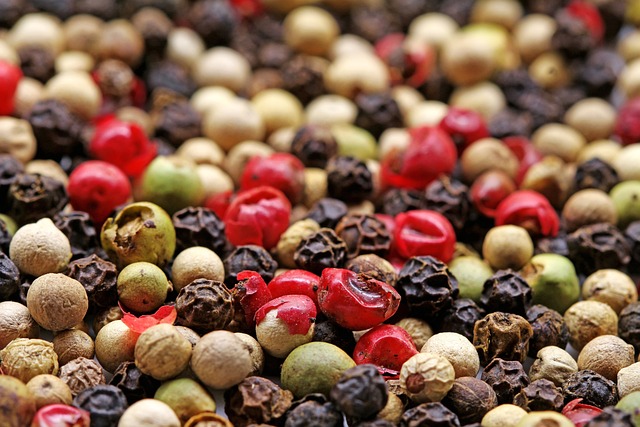
One of the most apparent distinctions between black and white peppercorns is their color. Black peppercorns, as the name suggests, have a dark, almost black hue due to the drying process they undergo. On the other hand, white peppercorns have a light or pale color as the outer layer is removed, leaving only the inner seed.
Flavor
Both black and white peppercorns possess a distinct flavor profile, although they may vary slightly. Black peppercorns are known for their pungent and robust taste, providing a sharp and spicy kick to dishes. White peppercorns, on the other hand, tend to have a milder and more delicate flavor, allowing for a subtler seasoning.
Usage
The choice between black and white peppercorns in cooking often depends on personal preference and the desired result. Black peppercorns are commonly used in dishes where a stronger flavor and visual impact are desired, such as grilled meats, stews, and marinades. Conversely, white peppercorns are popular in recipes that require a lighter touch, like delicate sauces, creamy soups, or dishes that need to maintain a light appearance without dark specks.
Availability and Price
In terms of availability and price, black peppercorns tend to be more commonly found and affordable compared to white peppercorns. Black peppercorns are widely sold in grocery stores, markets, and spice shops around the world. White peppercorns, although less common, can often be found at specialty stores or online, but they are usually priced higher due to their specific processing.
In conclusion, while both black and white peppercorns share similar origins, they differ in color, flavor, usage, availability, and price. Whether you prefer the boldness of black peppercorns or the subtle taste of white peppercorns, both can undoubtedly elevate the overall flavor profile of your dishes. So, why not experiment with both types and discover your personal preference in the wide world of peppercorns?
Black Peppercorns vs. White Peppercorns: What’s the difference?
Overview
Black peppercorns and white peppercorns are popular spices used in cuisines around the world. While both come from
the same pepper plant, they undergo different processing methods, resulting in distinct flavors, aromas, and uses.
Understanding the differences between these two types of peppercorns can elevate your culinary experiences.
Processing Methods
Black peppercorns are harvested when they are green and unripe. They are then briefly cooked or left to ferment
before drying, which helps preserve their intense, pungent flavor. The black outer layer is what gives them their
characteristic appearance.
On the other hand, white peppercorns are made by removing the outer black layer of ripe peppercorns after they have
fully ripened on the vine. The inner seed is then dried, leaving behind a pale-colored peppercorn with a slightly
milder flavor.
Flavor and Aroma
Black peppercorns have a strong and robust flavor with hints of heat and complexity. They add a bold kick to dishes
and are commonly used in savory preparations like marinades, rubs, and soups. Black pepper also pairs well with
red meats, roasted vegetables, and sauces.
White peppercorns, while still pungent, have a milder taste compared to black peppercorns. They possess a distinct
earthy, musky, and slightly fermented aroma. White pepper is often used in dishes where a milder flavor is desired,
such as creamy sauces, mashed potatoes, and light-colored soups.
Common Uses
Black peppercorns are ubiquitous in kitchens worldwide and are an essential spice in many cuisines. Their intense
flavor and versatile nature make them a staple in both savory and sweet recipes. Additionally, black pepper is
believed to have certain health benefits, including antioxidant and antibacterial properties.
White peppercorns are commonly used in Asian cuisines, particularly in Chinese and Thai dishes. They add subtle
heat and flavor without altering the color of the dish, making them ideal for light-colored and delicate recipes.
White pepper is also sought after for its potential digestive benefits.
Conclusion
In summary, the main difference between black and white peppercorns lies in their flavor, aroma, and processing
methods. Black peppercorns are harvested earlier and retain their black outer shell, resulting in a bolder and
spicier taste. White peppercorns are made from fully ripened peppercorns with their outer layer removed, offering a
milder flavor profile. Both types have their unique uses and can greatly enhance the taste of various dishes.
To learn more about the world of spices and seasonings, check out our related blog
post.
Frequently Asked Questions
Black Peppercorns vs. White Peppercorns: What’s the Difference?
Q: What are black peppercorns?
Black peppercorns are the dried fruit of the pepper plant, known as Piper nigrum. They have a robust and pungent flavor with a slight spiciness.
Q: What are white peppercorns?
White peppercorns are also derived from the same pepper plant as black peppercorns. However, they undergo additional processing, where the outer black husk is removed, leaving only the inner seed. This results in a milder and less spicy flavor compared to black peppercorns.
Q: Are there any differences in appearance between black and white peppercorns?
Yes, there is a notable difference in appearance. Black peppercorns are dark in color due to the presence of the outer black husk, while white peppercorns are pale yellow or cream-colored.
Q: Can black and white peppercorns be used interchangeably in recipes?
While they both come from the same pepper plant, black and white peppercorns have distinct flavor profiles. Black peppercorns offer a stronger, more robust taste, ideal for adding depth to savory dishes. On the other hand, white peppercorns provide a milder flavor, making them suitable for dishes where a subtler taste is desired.
Q: Are there any health benefits associated with black and white peppercorns?
Both black and white peppercorns have numerous health benefits. They are known to aid digestion, act as natural antioxidants, and possess antimicrobial properties. However, it’s important to note that individual health circumstances may vary, and it’s advisable to consult with a healthcare professional for personalized advice.
Q: Can I grind both black and white peppercorns in the same mill?
Yes, you can grind both black and white peppercorns in the same mill. However, keep in mind that the residual flavors from one type of peppercorn may slightly affect the taste of the other. If you prefer to maintain purity of flavor, you can use separate mills for black and white peppercorns.

Benefits of Black Peppercorn
Black peppercorn, also known as Piper nigrum, is a widely used spice that adds flavor and warmth to various dishes. This versatile peppercorn comes from the dried fruit of the pepper plant and is packed with numerous health benefits.
Enhances Digestion
The piperine compound present in black peppercorn stimulates the production of digestive enzymes, aiding in smooth digestion. It also helps relieve gastrointestinal issues, such as bloating and upset stomach, making it an excellent addition to your meals.
Improves Nutrient Absorption
Consuming black peppercorn alongside other food sources enables better nutrient absorption by increasing the bioavailability of various essential nutrients, including vitamins and minerals. It helps your body fully utilize the goodness present in the foods you eat.
Antioxidant Properties
Black peppercorn contains high levels of antioxidants that help protect the body from free radicals, which can lead to cell damage and chronic disease. The antioxidants present in black peppercorn promote overall well-being and support a healthy immune system.
Anti-Inflammatory Effects
The anti-inflammatory properties of black peppercorn assist in reducing inflammation within the body. Consumption of black peppercorn has been linked to alleviating symptoms of arthritis and other inflammatory conditions.
Boosts Brain Function
Piperine, a compound found in black peppercorn, has been shown to enhance brain function and improve memory. It aids in the production of neurotransmitters, supporting optimal cognitive performance.
In conclusion, black peppercorn not only adds delightful flavor to your meals but also possesses several health benefits. It aids digestion, improves nutrient absorption, acts as an antioxidant, reduces inflammation, and boosts brain function. Incorporating this aromatic spice into your diet can enhance both the taste and nutritional value of your dishes.
To learn more about black peppercorn, visit the Black Pepper page on Wikipedia.

Summary:
-
Color:
Black peppercorns are dark brown to black in color, while white peppercorns are light tan or cream-colored.
-
Flavor:
Black peppercorns have a slightly more pungent and robust flavor compared to white peppercorns, which have a milder and earthier taste.
-
Processing:
Black peppercorns are harvested when the berries on the pepper plant are still green and then dried, while white peppercorns are made by removing the outer black husk of fully ripened berries.
-
Uses:
Both black and white peppercorns are commonly used as spices, but black pepper is more versatile and used in various dishes, while white pepper is often preferred for light-colored or creamy dishes to avoid visible specks.
-
Availability:
Black peppercorns are more widely available and commonly used in cooking, while white peppercorns are often found in specialty stores or used in specific regional cuisines.