Contents
Breaking Down the Myths: Debunking Common Misconceptions About Sea Salt and Table Salt in Cooking
In the culinary world, salt is often taken for granted, yet it plays a crucial role in flavor enhancement, food preservation, and even texture. With the growing popularity of sea salt, many home cooks and professional chefs alike find themselves bewildered by the myriad claims surrounding it and its more traditional counterpart, table salt. In this article, we will explore the most prevalent myths regarding these two types of salt, aiming to clarify their differences and help you make informed choices in your cooking.

Understanding Sea Salt and Table Salt
Salt is an essential ingredient in cooking, but the type of salt you use can significantly impact your dishes. Both sea salt and table salt are popular choices, yet there are many misconceptions surrounding them.
What is Sea Salt?
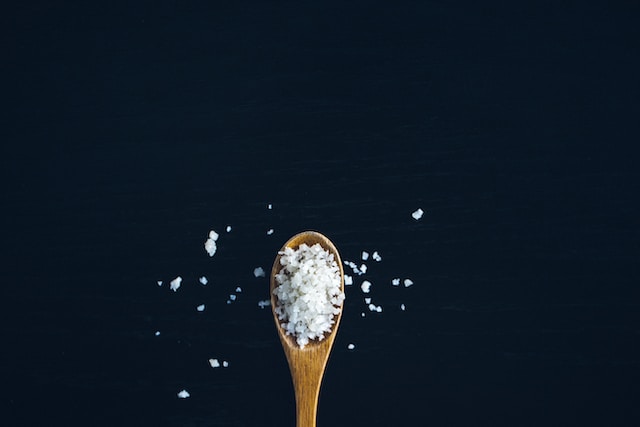
Sea salt is produced through the evaporation of seawater. It typically retains trace minerals, which can give it a distinct flavor and color. The texture can vary from fine to coarse, making it suitable for different culinary uses.
What is Table Salt?
Table salt, on the other hand, is mined from salt deposits and usually goes through a refining process that removes impurities and trace minerals. It often contains additives like anti-caking agents to prevent clumping.
Common Myths
Myth 1: Sea Salt is Healthier Than Table Salt
One widespread belief is that sea salt is healthier than table salt due to its mineral content. However, the quantity of these minerals is minuscule and does not significantly contribute to your dietary needs. Both salts contain similar levels of sodium, which is the primary concern for health. For further reading, visit the Healthline.
Myth 2: Sea Salt Has a Superior Flavor
While many chefs and home cooks prefer sea salt for its unique flavor, it largely depends on personal preference. Some may find the finer grains of table salt distribution more effective in flavoring dishes evenly.
Myth 3: All Sea Salt is Kosher
This misconception arises from the texture and coarseness of some sea salts. However, while some sea salts are certified kosher, not all varieties meet this standard. Always check packaging for kosher certifications.
Choosing the Right Salt for Your Cooking
When to Use Sea Salt
Sea salt is ideal for finishing dishes or when a more textured salt is desired. It works well on grilled meats, roasted vegetables, and even in baked goods to add a punch of flavor.
When to Use Table Salt
Table salt is perfect for everyday cooking and baking, as it dissolves quickly and provides a uniform flavor throughout your dish. It’s often the go-to for recipes calling for precise measurements.
Conclusion
Both sea salt and table salt have their places in the kitchen. Understanding the differences, debunking myths, and choosing the right salt for your culinary needs can enhance your cooking experience.
FAQs: Breaking Down the Myths About Sea Salt and Table Salt
What is the main difference between sea salt and table salt?
Sea salt is harvested from evaporated seawater and often contains trace minerals, while table salt is typically mined from salt deposits and may be further processed to remove impurities.
Is sea salt healthier than table salt?
While sea salt may contain trace minerals, both sea salt and table salt primarily consist of sodium chloride. The health implications often depend more on the amount consumed rather than the type of salt.
Can I substitute sea salt for table salt in recipes?
Yes, but be mindful of the grain size. Sea salt often has larger crystals than table salt, so you may need to adjust the quantity used in your recipes.
Does sea salt enhance flavor better than table salt?
This can be subjective. Some cooks prefer the texture and slight mineral flavor of sea salt, while others may find table salt provides a cleaner taste. Ultimately, it depends on personal preference.
Are there any anti-caking agents in table salt?
Yes, many brands of table salt contain anti-caking agents to prevent clumping, which is not typically a concern with sea salt. If you prefer a pure product, check the label for additives.
Can excess salt from sea salt or table salt be harmful?
Excessive sodium intake, regardless of the type of salt, can lead to health issues such as hypertension. Moderation is key for both sea salt and table salt.
Does the mineral content in sea salt make it a better choice?
While sea salt may contain trace minerals, their quantities are generally negligible in terms of nutritional value. Therefore, it doesn’t necessarily make sea salt a superior option for health.
This HTML code creates a structured FAQ section addressing common misconceptions about sea salt and table salt in cooking. Each question is accompanied by a brief answer for clarity.

Differences Between Sea Salt and Table Salt
When it comes to cooking, the choice between sea salt and table salt can impact flavor, texture, and nutrition. Understanding their differences is key for culinary success.
Source and Production
Sea salt is derived from the evaporation of seawater, while table salt is mined from salt deposits. The production methods significantly affect the mineral content and taste of the salts.
Flavor Profiles
Sea salt often contains trace minerals that can enhance flavor. In contrast, table salt has a more straightforward, salty taste because it’s usually highly refined. Chefs often prefer sea salt for its unique flavor variations.
Nutritional Aspects
Sea salt may contain small amounts of essential minerals, such as magnesium and calcium, which are stripped away in table salt. However, the nutritional differences are minimal when used in typical cooking amounts.
Culinary Uses
Due to its coarser texture, sea salt is ideal for seasoning meats and vegetables, while table salt is better for baking as it dissolves quickly in mixtures. Choosing the right salt can enhance the overall dish.
Learn More
For further insights on the chemical composition of these salts, visit Wikipedia.
Breaking Down the Myths: Debunking Common Misconceptions About Sea Salt and Table Salt in Cooking
- Origin: Sea salt is harvested from evaporated seawater, while table salt is mined from underground salt deposits.
- Processing: Sea salt undergoes minimal processing, retaining some minerals; table salt is refined and often includes anti-caking agents.
- Taste Difference: Sea salt may have a different flavor profile due to trace minerals, but both salts primarily taste like sodium chloride.
- Health Benefits: The health benefits of sea salt over table salt are largely exaggerated; both provide sodium in similar amounts.
- Cooking Uses: Chefs often prefer sea salt for its texture and aesthetics, but table salt is effective for seasoning in most dishes.