Contents
Cooking Light with Low-Sodium Salt: Tips and Tricks
Introduction
Cooking light doesn’t have to mean sacrificing flavor, especially when it comes to seasoning your dishes. With the increasing focus on health and wellness, low-sodium salt alternatives are a perfect way to enhance your meals without the added sodium that can contribute to health issues. In this guide, we will explore effective tips and tricks for incorporating low-sodium salt into your cooking routine, helping you create delicious and nutritious meals that everyone will enjoy.

Understanding Low-Sodium Salt
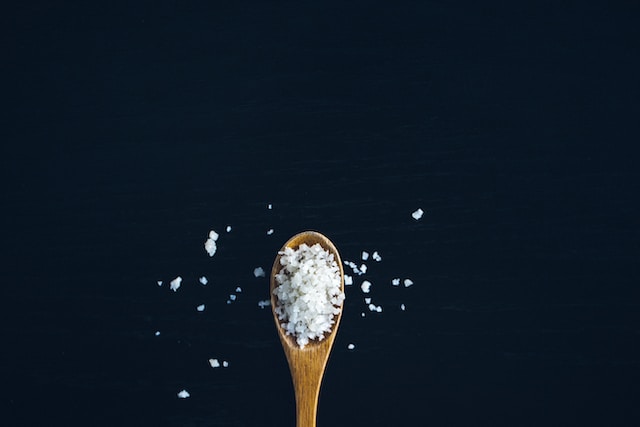
Low-sodium salt is a popular alternative for those looking to reduce their sodium intake without sacrificing flavor. It typically contains a mixture of sodium chloride and potassium chloride, which helps mimic the taste of regular salt with lower sodium content.
Benefits of Cooking Light with Low-Sodium Salt
1. Heart Health
Reducing sodium can lower blood pressure and reduce the risk of heart disease. Cooking with low-sodium salt allows for better heart health without compromising flavor.
2. Flavor Enhancement
While low-sodium salt contains less sodium, it can still provide a good flavor profile when used correctly. The potassium chloride can enhance the natural flavors of foods.
Tips for Cooking with Low-Sodium Salt
1. Start Small
When transitioning to low-sodium cooking, start by using a smaller amount than you would with regular salt. Taste as you go to adjust the flavor to your liking.
2. Use Fresh Ingredients
Fresh herbs, spices, and other aromatic ingredients can elevate the flavor of your dishes without needing to rely heavily on salt. Consider adding garlic, lemon juice, or spices for added zing.
3. Experiment with Other Flavors
Citrus juices, vinegar, and other acids can help compensate for the lower salt level in recipes. They can brighten up dishes and enhance flavors.
Low-Sodium Cooking Techniques
1. Roasting
Roasting vegetables or meats can concentrate their natural flavors. Use a slight sprinkle of low-sodium salt before roasting to enhance that flavor.
2. Marinating
Creating marinades with vinegar, herbs, and spices can be an excellent way to infuse flavor without using too much salt. Consider using low-sodium soy sauce or marinades when enhancing meats.
Recipes to Try with Low-Sodium Salt
1. Low-Sodium Vegetable Stir-Fry
Combine your favorite vegetables, like bell peppers, broccoli, and snap peas, with a dash of low-sodium soy sauce and a splash of sesame oil for a quick and delicious meal.
2. Herb-Crusted Chicken
Season chicken breasts with a blend of your favorite herbs and a bit of low-sodium salt, then bake until golden brown. Serve with a side of steamed vegetables for a complete meal.
Final Thoughts on Low-Sodium Cooking
Adopting a low-sodium lifestyle doesn’t have to mean sacrificing taste. By using the right techniques and experimenting with flavor, you can create delicious meals that are good for your heart.
Additional Resources
For more insights on low-sodium cooking, check out Healthline’s Guide on Low-Sodium Diets.
FAQs about Cooking Light with Low-Sodium Salt
What is low-sodium salt?
Low-sodium salt typically contains a mixture of regular salt (sodium chloride) and potassium chloride. It’s designed to provide flavor without the high sodium content, making it a healthier alternative for those monitoring their sodium intake.
How can I use low-sodium salt in recipes?
When cooking, you can substitute low-sodium salt for regular salt in equal amounts. However, be mindful that the flavor profile may differ slightly, so you might want to start with less and adjust to taste.
Are there specific dishes that work well with low-sodium salt?
Low-sodium salt works well in a variety of dishes, including soups, stews, grilled vegetables, and seasoning for meats. It’s particularly useful in recipes where other spices and herbs can enhance flavor.
What are some tips for enhancing flavor without using high sodium?
Enhance flavor by using fresh herbs, spices, citrus juices, garlic, and onions. Experimenting with vinegar and different types of pepper can also add a punch to your meals while keeping sodium levels low.
Can low-sodium salt affect texture in baking?
In baking, the role of salt is not just for flavor but also for texture. Substituting low-sodium salt in baked goods may yield different results; it’s best to follow tested recipes or experiment carefully with small batches.
Where can I find low-sodium salt?
Low-sodium salt is available in most grocery stores, often found in the spice aisle. You can also find it online, where various brands offer different mixes and flavor profiles.

Benefits of Using Low-Sodium Salt in Cooking
Low-sodium salt is an excellent alternative for those looking to reduce their sodium intake without sacrificing flavor.
Heart Health
Research has shown that reducing sodium can significantly decrease the risk of hypertension and cardiovascular diseases.
Flavor Enhancement
Low-sodium salt often contains flavorful additives like potassium chlorate, allowing for a satisfying taste in your dishes while being healthier.
Cooking Versatility
This type of salt can be used in a variety of cooking methods, from baking to grilling, ensuring that you can maintain delicious flavors in all your meals.
For more detailed information, you can visit the Wikipedia page on Sodium.
Cooking Light with Low-Sodium Salt: Tips and Tricks
- Use herbs and spices to enhance flavor without added salt.
- Opt for low-sodium versions of canned foods and sauces.
- Experiment with citrus juice and zest for a fresh taste.
- Incorporate vinegar for tanginess in dressings and marinades.
- Choose fresh ingredients whenever possible to control sodium content.
- Gradually reduce sodium to adjust your palate over time.
- Read labels to monitor sodium levels in packaged products.