

Contents
Discover the World of Exotic Flavors: Cooking with Brown and White Pepper
Pepper, one of the most widely used spices in the world, comes in various forms and flavors. Among these, brown and white pepper stand out for their unique taste profiles and culinary applications. In this article, we will explore the wonders of brown and white pepper and how you can incorporate them into your cooking to unlock a world of exotic flavors.
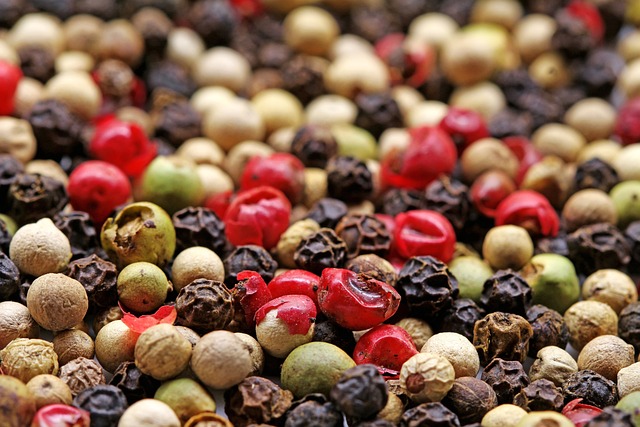
Brown Pepper: Brown pepper, also known as black pepper, is obtained from the dried unripe berries of the Piper nigrum plant. It has a strong, pungent flavor with subtle hints of citrus and earthiness. Brown pepper is versatile and can be used in both savory and sweet dishes, offering a complex flavor and aroma. It enhances the taste of meats, soups, sauces, and marinades, making them more robust and flavorful.
White Pepper: White pepper is made from fully ripe berries of the same plant, but with the outer skin removed, resulting in a milder, sharper flavor compared to brown pepper. Its taste is less pungent and has a slightly fermented undertone. White pepper is commonly used in cream-based dishes, light-colored soups, and sauces where the dark specks of brown pepper might be visually unappealing. It adds a subtle heat and depth to these dishes, elevating the overall taste.
By using a combination of brown and white pepper in your cooking, you can create a harmonious balance of flavors that will excite your taste buds and take your dishes to a whole new level. Whether you are a seasoned chef or an aspiring home cook, experimenting with these two types of pepper will open up a world of possibilities and allow you to introduce unique and exotic flavors to your culinary creations.
Discover the World of Exotic Flavors: Cooking with Brown and White Pepper
Why Should You Start Cooking with Brown and White Pepper?
Brown and white pepper are two varieties of popular spices that add distinct flavors to a wide range of dishes. While pepper is commonly used as a condiment, it is also an essential ingredient in many cuisines across the globe. Let’s dive into the fascinating world of brown and white pepper and explore the incredible tastes they can bring to your cooking.
The Difference Between Brown and White Pepper
Brown and white pepper are derived from the same pepper plant, known as Piper nigrum. However, the difference lies in the way they are processed.
White pepper is made from fully ripe peppercorns that are soaked in water, enabling their outer skin to be easily removed. It is then dried, resulting in a milder flavor compared to brown pepper. White pepper is particularly popular in Southeast Asian cuisines and is often used in light-colored dishes to avoid visible specks of black.
Brown pepper, on the other hand, is made from the same fully ripe peppercorns but is left to dry with the outer skin intact. This gives it a stronger and earthier flavor, making it a fantastic choice for dishes that require a bolder pepper taste.
Enhancing Your Culinary Creations with Brown and White Pepper
1. Soups and Stews: Adding a dash of brown or white pepper to your soups and stews can elevate the overall taste and aroma. It brings warmth and depth to the dish, making it more satisfying.
2. Meats and Seafood: Marinating meats and seafood with a blend of brown and white pepper can enhance their natural flavors. These spices offer a unique tanginess that complements all types of protein.
3. Roasted Vegetables: Sprinkling roasted vegetables with a pinch of brown or white pepper can elevate their flavor profile. The earthy notes of these peppers create a perfect balance with the sweetness of vegetables.
4. Salad Dressings and Sauces: Incorporating brown or white pepper into your homemade salad dressings and sauces provides an extra layer of complexity. It adds a subtle kick that tantalizes the taste buds.
Brown and White Pepper: From Traditional to Adventurous
Both brown and white pepper can be used in a variety of traditional dishes, such as soups, stews, and roasted meats. However, they can also be utilized in innovative and unexpected ways:
- Infuse brown or white pepper in oils or vinegar for an infused liquid to drizzle over salads or grilled vegetables.
- Add a pinch of white pepper to creamy desserts, like panna cotta or crème brûlée, to introduce a subtle hint of warmth.
- Create unique spice blends by combining brown or white pepper with other exotic ingredients, like cardamom, cinnamon, or cloves.
A World of Possibilities with Brown and White Pepper
Brown and white pepper offer an exciting range of flavors that can transform your cooking. From traditional recipes to innovative experiments, these spices have the ability to take your dishes to a whole new level. Start exploring the world of exotic flavors with brown and white pepper today!
Learn More:
To dive deeper into the world of pepper and its culinary uses, check out our comprehensive guide on Peppercorns: Exploring the Varieties.
Keywords:
cooking with brown pepper, cooking with white pepper, pepper varieties, brown and white pepper, pepper flavors, exotic flavors, spices in cooking, culinary spices
Frequently Asked Questions
1. What is Brown and White Pepper?
Brown and white pepper are two different types of pepper derived from the same plant, Piper nigrum. Brown pepper is made by drying the unripe pepper berries, while white pepper is produced by removing the outer layer of the ripe berries. Both types of pepper offer unique flavors and can be used in various recipes.
2. What is the difference between Brown and White Pepper?
The main difference lies in their flavor profiles. Brown pepper is known for its robust, earthy flavor, while white pepper has a milder taste with slightly fermented notes. In terms of appearance, brown pepper is darker in color, with visible specks of the pepper’s skin, while white pepper is light in color and has a smoother texture.
3. How should I use Brown and White Pepper in cooking?
Brown and white pepper can be used interchangeably in most recipes, depending on the desired flavor. Brown pepper is commonly used in dishes like stir-fries, soups, and stews, as its stronger flavor can withstand longer cooking times. White pepper, on the other hand, is often used in lighter-colored dishes like mashed potatoes, cream-based sauces, and marinades.
4. Can I substitute Brown Pepper with White Pepper, and vice versa?
Yes, you can substitute one for the other, but keep in mind that it will alter the flavor profile of your dish. If you’re substituting brown pepper with white pepper, use a bit less white pepper than the recipe suggests, as white pepper has a stronger flavor. Similarly, if you’re using brown pepper as a substitute for white pepper, you may need to use a bit more brown pepper to achieve the desired taste.
5. Are there any health benefits associated with Brown and White Pepper?
Both brown and white pepper contain similar health benefits, as they are derived from the same plant. They are known for their antioxidant and anti-inflammatory properties, as well as their ability to aid digestion and improve nutrient absorption. Additionally, pepper has been linked to boosting metabolism and aiding weight loss.
6. Where can I buy Brown and White Pepper?
Brown and white pepper can be found in most grocery stores and supermarkets, usually in the spice aisle. You can also purchase them online from various retailers and specialty food stores. Make sure to check the quality and freshness of the pepper before purchasing to ensure the best flavor.

What Makes Brown-White Pepper Unique?
Brown-white pepper is a fascinating spice that offers a distinct flavor profile and an array of health benefits. Let’s dive into the intriguing aspects of this peppery duo.
The Origin and Processing of Brown-White Pepper
Brown and white pepper both come from the same plant, Piper nigrum. The primary difference lies in their processing methods.
Brown pepper is harvested when the berries are almost ripe, then sun-dried, allowing the outer skin of the berry to darken and wrinkle. This process contributes to its robust flavor and aroma.
White pepper, on the other hand, is obtained from fully ripe berries. The outer skin is removed by soaking the berries in water, then mechanically rubbing off the outer layer.
The Taste and Aroma of Brown-White Pepper
Brown-white pepper offers distinctive sensory experiences due to its unique composition. Brown pepper typically has a strong, earthy taste and releases pungent aromas. Its flavor is often described as warm and slightly sweet.
Compared to its brown counterpart, white pepper has a milder taste and is characterized by a subtle spiciness. It is less aromatic and can add heat without altering the color of dishes.
Health Benefits of Brown-White Pepper
Brown-white pepper possesses various health benefits that have been appreciated since ancient times:
- Antioxidant Properties: Both types of pepper contain natural antioxidants that help combat harmful free radicals in the body.
- Improved Digestion: These peppers stimulate the secretion of digestive enzymes, aiding in effective digestion and nutrient absorption.
- Enhanced Nutrient Bioavailability: Piperine, a compound found in brown-white pepper, has been shown to enhance the bioavailability of several nutrients, including curcumin in turmeric.
- Anti-inflammatory Effects: Piperine may also exhibit anti-inflammatory properties, potentially providing relief from inflammation-related conditions.
To learn more about the amazing world of pepper, please visit the Wikipedia page on black pepper.

Discover the World of Exotic Flavors: Cooking with Brown and White Pepper
Benefits of Brown and White Pepper
– Brown and white pepper are versatile and can be used in a variety of dishes.
– They add a unique depth of flavor to both savory and sweet recipes.
– These peppers are known for their antioxidant properties and potential health benefits.
Exploring Different Cuisines
– Discover how brown and white pepper are used in various cuisines around the world.
– Learn about traditional recipes from countries like India, Thailand, and Morocco.
– Find inspiration to incorporate these exotic flavors into your own cooking.
Delicious Recipes to Try
– Spicy Thai Basil Chicken with White Pepper: A flavorful stir-fry with a kick of white pepper.
– Moroccan Lamb Tagine with Brown Pepper: Fragrant and tender stew seasoned with brown pepper.
– Creamy Vanilla Panna Cotta with White Pepper: A unique twist on a classic dessert using white pepper.
Cooking Tips and Techniques
– Learn the best ways to grind and store brown and white pepper for optimal flavor.
– Discover how to balance the heat and spiciness of these peppers in your dishes.
– Get insider tips on using brown and white pepper in both traditional and innovative ways.
Enhance Your Culinary Adventures
– Embrace the flavors of brown and white pepper to elevate your cooking to new heights.
– Experiment with different dishes and cuisines to expand your culinary repertoire.
– Enjoy the exciting journey of exploring the world of exotic flavors with brown and white pepper.