


Contents
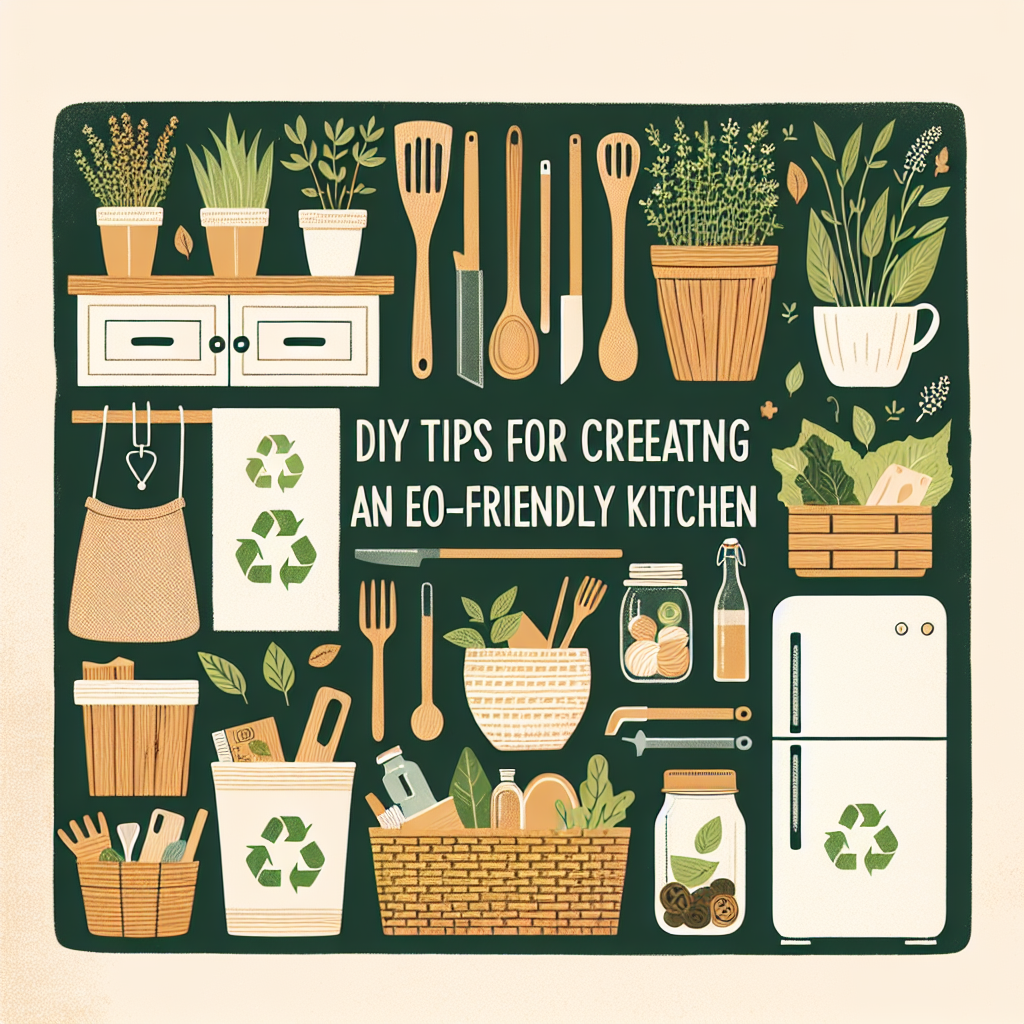
DIY Tips for Creating an Eco-Friendly Kitchen
Creating an eco-friendly kitchen is a great way to reduce your carbon footprint and live a more sustainable lifestyle. By making small changes to your kitchen habits and decor, you can help protect the environment and save money in the long run. Here are some DIY tips for creating an eco-friendly kitchen:
Eco-Friendly Kitchen: DIY Tips
Creating an eco-friendly kitchen not only benefits the environment, but it also helps you save money and live a healthier lifestyle. Here are some DIY tips to make your kitchen more sustainable:
1. Use Energy-Efficient Appliances
One of the easiest ways to make your kitchen more eco-friendly is by using energy-efficient appliances. Look for appliances with the Energy Star label, which indicates that they meet strict energy efficiency guidelines set by the EPA.
2. Compost Food Scraps
Instead of throwing food scraps in the trash, start composting them. Composting not only reduces waste but also creates nutrient-rich soil for your garden. You can set up a compost bin in your kitchen or backyard to easily dispose of food scraps.
3. Reduce Single-Use Plastics
Avoid using single-use plastics like plastic bags, straws, and utensils in your kitchen. Instead, opt for reusable alternatives like glass containers, stainless steel straws, and bamboo utensils. This simple switch can significantly reduce your plastic waste.
4. Grow Your Own Herbs
Grow your own herbs in a small garden or on your kitchen windowsill. Not only does this provide you with fresh herbs for cooking, but it also reduces the carbon footprint associated with transporting herbs from the store to your home.
5. Use Non-Toxic Cleaning Products
Avoid using cleaning products that contain harmful chemicals that can pollute the air and water. Instead, opt for natural cleaning products like vinegar, baking soda, and lemon juice. These ingredients are not only eco-friendly but also safe for your family.
6. Opt for Sustainable Kitchenware
Choose kitchenware made from sustainable materials like bamboo, glass, or stainless steel. These materials are durable, non-toxic, and eco-friendly alternatives to plastic or disposable kitchenware.
By following these DIY tips, you can create a more eco-friendly kitchen that is not only better for the planet but also for your health and wallet.
For more information on creating an eco-friendly kitchen, visit EPA’s Green Products website.

The Importance of Sustainable Kitchens
When it comes to creating a sustainable living environment, one often overlooked area is the kitchen. Sustainable kitchens are not only good for the environment, but they also promote healthier living and can save you money in the long run.
Key Components of a Sustainable Kitchen
There are several key components that make up a sustainable kitchen. These include energy-efficient appliances, eco-friendly materials for cabinets and countertops, composting and recycling systems, and water-saving fixtures.
By investing in energy-efficient appliances, such as refrigerators, dishwashers, and stoves, you can significantly reduce your energy consumption and lower your utility bills. Eco-friendly materials, like bamboo or recycled glass, not only look great but also have a lower environmental impact compared to traditional materials like granite or laminate.
Composting and recycling systems are essential for reducing kitchen waste and diverting it from landfills. By composting food scraps and recycling packaging materials, you can contribute to reducing greenhouse gas emissions and conserving natural resources.
Water-saving fixtures, such as low-flow faucets and dual-flush toilets, can help you conserve water and reduce your water usage, which is especially important in areas facing water shortages or drought conditions.
Overall, creating a sustainable kitchen involves making conscious choices about the materials and products you use in your kitchen, as well as adopting eco-friendly practices that promote sustainability and reduce your environmental impact.
Learn more about sustainable kitchens on Wikipedia

Frequently Asked Questions
What are some easy ways to make my kitchen more eco-friendly?
Some easy ways to make your kitchen more eco-friendly include using reusable containers for food storage, composting food scraps, and using energy-efficient appliances.
How can I reduce my kitchen waste?
To reduce kitchen waste, try to buy in bulk, use reusable bags for grocery shopping, and avoid single-use plastics. Additionally, consider creating a compost bin for food scraps.
What are some sustainable materials I can use in my kitchen?
You can use sustainable materials such as bamboo for cutting boards and utensils, recycled glass for countertops, and reclaimed wood for cabinets.
Are there any DIY projects I can do to make my kitchen more eco-friendly?
Yes, there are plenty of DIY projects you can do to make your kitchen more eco-friendly. You can make your own cleaning products using natural ingredients, create a herb garden in your kitchen, or install a water filter on your faucet.

DIY Tips for Creating an Eco-Friendly Kitchen
- Use LED lights to save energy
- Compost food scraps instead of throwing them away
- Choose energy-efficient appliances
- Opt for reusable rather than disposable items
- Grow your own herbs and vegetables


