


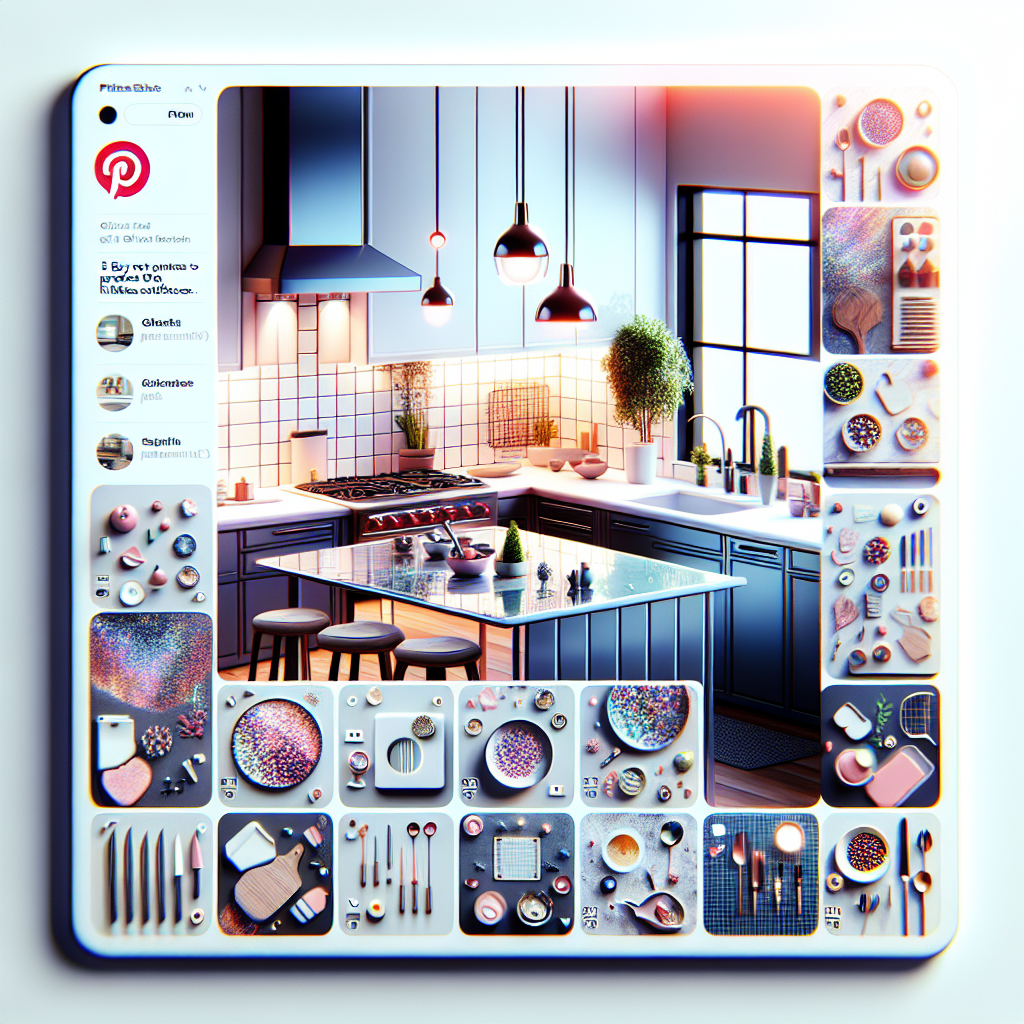
Click to Transform Your Kitchen
Contents
Welcome to Glass Act!
5 Easy Ways to Protect Your Kitchen Surfaces
Are you tired of constantly cleaning and worrying about your kitchen surfaces getting damaged? Look no further! Glass Act has you covered with these 5 easy ways to protect your kitchen surfaces.
Introduction
Glass surfaces in the kitchen can add a touch of elegance and sophistication to your space. However, they can also be prone to scratches, stains, and other damage if not properly cared for. In this post, we will discuss 5 easy ways to protect your kitchen surfaces and keep them looking their best.
1. Use Cutting Boards
One of the easiest ways to protect your glass surfaces is to use cutting boards when preparing food. Cutting directly on glass can cause scratches and damage to the surface. Invest in a set of high-quality cutting boards made from materials like wood or plastic to protect your glass countertops and cutting boards. This will help prevent scratches and keep your surfaces looking new for longer.
Helpful Tip:
Consider using different cutting boards for meat, vegetables, and other food items to prevent cross-contamination.
2. Avoid Harsh Cleaners
When cleaning your glass surfaces, avoid using harsh cleaners that can damage the finish. Opt for mild, non-abrasive cleaners and soft cloths to gently clean and polish your glass surfaces. Avoid using abrasive scrubbers or cleaners that contain ammonia, bleach, or other harsh chemicals that can dull or scratch your glass surfaces.
Helpful Tip:
Make your own natural glass cleaner by mixing equal parts water and white vinegar in a spray bottle. This solution is effective at cleaning glass surfaces without leaving streaks or residue.
3. Use Trivets and Hot Pads
Protect your glass surfaces from heat damage by using trivets and hot pads when placing hot pots, pans, and dishes on your countertops. The high temperatures from these items can cause the glass to crack or get damaged over time. Always use a trivet or hot pad to create a barrier between your hot cookware and your glass surfaces to prevent damage.
Helpful Tip:
Invest in trivets and hot pads made from heat-resistant materials like silicone or cork for added protection.
4. Wipe Spills Immediately
Accidents happen, but it’s important to wipe up spills and messes immediately to prevent staining and damage to your glass surfaces. Use a soft cloth or paper towel to gently blot spills and avoid rubbing, which can cause scratches. Regularly wiping down your glass surfaces will help maintain their beauty and prolong their lifespan.
Helpful Tip:
Keep a supply of microfiber cloths on hand for quick and easy cleanup of spills and messes on your glass surfaces.
5. Install Window Film
If you have glass windows or doors in your kitchen, consider installing window film to protect them from damage. Window film can help reduce glare, filter UV rays, and add an extra layer of protection to your glass surfaces. Choose a film that is easy to install and remove for added convenience.
Helpful Tip:
Look for window films that are specifically designed for use on glass surfaces in kitchens and other high-traffic areas for optimal performance.
Conclusion
By following these 5 easy ways to protect your glass kitchen surfaces, you can keep them looking their best for years to come. With a little bit of care and maintenance, you can preserve the beauty and functionality of your glass surfaces and enjoy them for many meals to come.

Restore and Protect Your Surfaces Now
How to protect glass surfaces
Clean regularly
One of the easiest ways to protect glass surfaces in your home is to clean them regularly. Use a soft cloth or sponge along with a mild glass cleaner to remove dirt and grime. Avoid using abrasive materials that can scratch the glass.
Avoid harsh chemicals
When cleaning glass surfaces, make sure to avoid using harsh chemicals that can damage the glass. Stick to gentle glass cleaners or natural solutions like vinegar and water.
Use coasters
To prevent scratches and marks on glass tabletops, use coasters under glasses and other items that may cause damage. This will help protect the surface from wear and tear.
Install window film
If you have glass windows or doors that are prone to sun damage, consider installing window film. This film can help block harmful UV rays and prevent fading of furniture and flooring inside your home.
Wipe up spills immediately
Accidents happen, but it’s important to wipe up spills on glass surfaces immediately to prevent staining or etching. Use a soft cloth and gentle cleaning solution to clean up any messes right away.
For more information on protecting glass surfaces, visit Wikipedia.

Frequently Asked Questions
1. What is Glass Act?
Glass Act is a product designed to protect kitchen surfaces such as countertops, tables, and glass cooktops from scratches, stains, and heat damage.
2. How does Glass Act work?
Glass Act creates a durable, transparent barrier that can be easily applied to surfaces. It provides a protective layer that helps repel stains, scratches, and heat up to a certain temperature.
3. How do I apply Glass Act to my kitchen surfaces?
Simply clean the surface thoroughly and apply Glass Act according to the instructions provided. Allow it to dry completely before using the surface as normal.
4. Will Glass Act discolor or change the appearance of my kitchen surfaces?
No, Glass Act is designed to be transparent and will not alter the appearance of your kitchen surfaces. It provides protection without affecting the look of your countertops or other surfaces.
5. How long does Glass Act last?
The durability of Glass Act can vary depending on the amount of use and wear on the surface. It is recommended to reapply the product every few months for maximum protection.

1. Use coasters and trivets:
- Place coasters under drinks and trivets under hot pots to prevent damage to surfaces.
2. Clean spills promptly:
- Wipe up spills immediately to prevent stains and damage to countertops.
3. Avoid using abrasive cleaners:
- Use gentle, non-abrasive cleaners to avoid scratching or dulling surfaces.
4. Use cutting boards:
- Protect countertops by using cutting boards to prevent scratches and cuts.
5. Seal porous surfaces:
- Seal porous surfaces like granite or marble to prevent absorption of liquids and staining.
Protect Your Surfaces – See How