


Contents
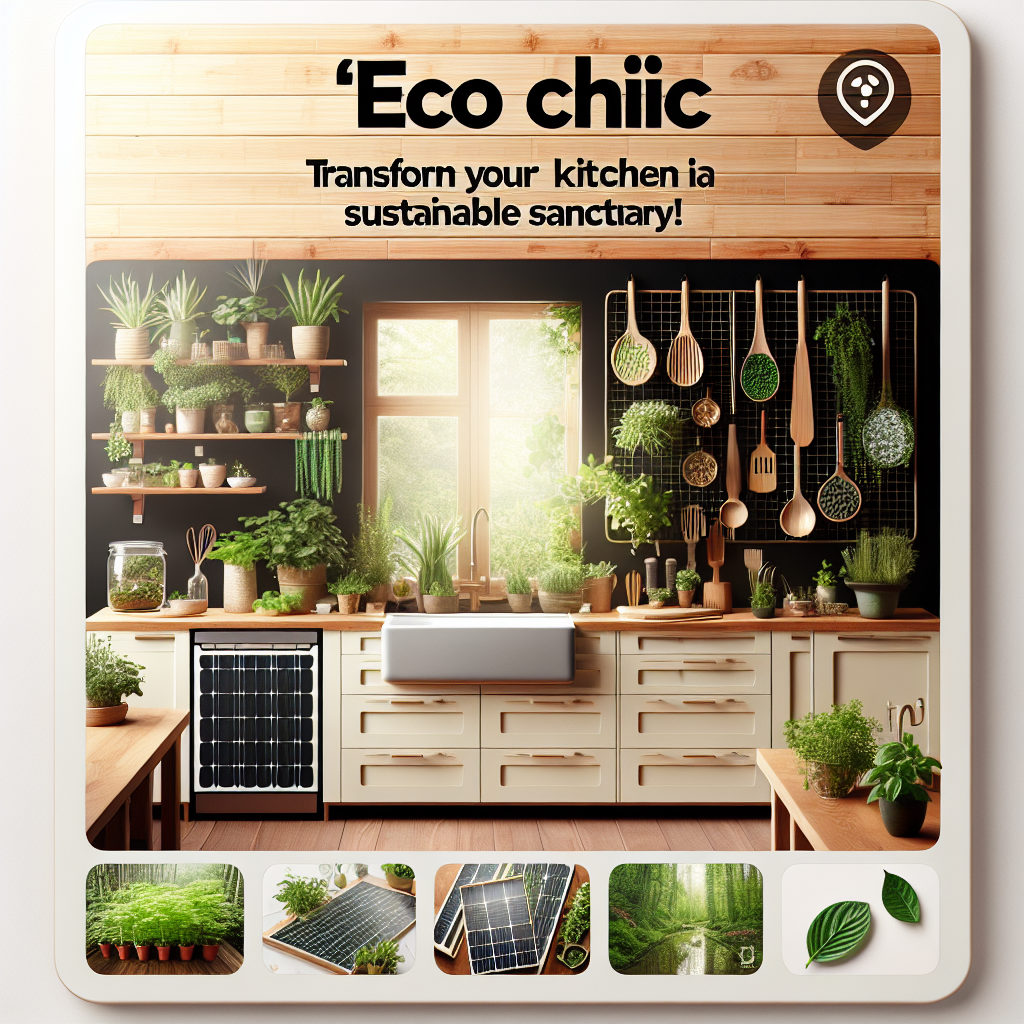
Eco Chic: Transform Your Kitchen into a Sustainable Sanctuary!
Introduction
In today’s world, the need for sustainability is more pressing than ever. The kitchen, often considered the heart of the home, presents the perfect opportunity to embrace eco-friendly practices while maintaining stylish aesthetics. This guide will explore innovative ideas and practical tips to transform your kitchen into a sanctuary that promotes sustainability without compromising elegance. From choosing sustainable materials to minimizing waste, discover how you can create a chic yet eco-friendly culinary space that reflects your commitment to the planet.
1. The Importance of Sustainable Kitchens
In recent years, sustainability has become a hot topic. Our kitchens, in particular, play a vital role in our environmental impact. By transforming your kitchen into a sustainable sanctuary, you can significantly reduce waste, save energy, and create a healthier space.
2. Eco-Friendly Materials for Your Kitchen
2.1 Cabinets and Countertops
When renovating or designing a kitchen, opt for cabinets and countertops made from reclaimed wood or bamboo. These materials are not only stylish but also sustainable. Consider companies that offer certified sustainable products.
2.2 Flooring Options
Choose eco-friendly flooring options like cork, recycled tile, or linoleum. Each of these materials is durable and adds a unique touch to your kitchen.
3. Energy Efficiency in the Kitchen
3.1 Energy-Efficient Appliances
Invest in appliances with the ENERGY STAR label. These appliances consume less energy and can lead to significant savings on your utility bills.
3.2 Lighting Solutions
Use LED lighting for its longevity and energy efficiency. Natural light can also brighten up your kitchen, so consider skylights or larger windows when planning renovations.
4. Waste Reduction Strategies
4.1 Composting
Set up a compost bin in your kitchen for organic waste. Composting reduces landfill waste and enriches your garden. Look into EPA guidelines on composting.
4.2 Food Storage
Utilize glass jars and reusable containers instead of single-use plastics. Not only do they keep food fresh, but they’re also better for the environment.
5. Sustainable Lifestyle Choices
5.1 Meal Planning
Plan your meals to minimize food waste. Create a shopping list based on a weekly menu to ensure you buy only what you need.
5.2 Local and Organic Produce
Buying local and organic groceries supports sustainable farming practices and reduces your carbon footprint. Frequent farmers’ markets in your area to discover fresh produce.
6. Creating a Green Cleaning Routine
6.1 Eco-Friendly Cleaning Products
Using natural cleaning solutions like vinegar and baking soda can help keep your kitchen clean without harmful chemicals. Look for brands that prioritize eco-friendly ingredients.
6.2 DIY Cleaning Solutions
Consider making your own cleaning products as a fun weekend project. Simple recipes often require just a few household ingredients.
7. Fun and Practical Decor Ideas
7.1 Indoor Herb Gardens
Create an indoor herb garden for both aesthetic appeal and culinary use. Herbs like basil, mint, and rosemary can thrive in small pots on your windowsill.
7.2 Upcycled Kitchen Accessories
Use upcycled materials to create unique decor items. Old jars and vintage utensils can be repurposed into stylish kitchen decor.
8. Engage with the Community
Join local workshops focused on sustainable cooking and living. Engaging with like-minded individuals can inspire you and provide valuable knowledge.

The Importance of Sustainable Kitchens
Sustainable kitchens focus on minimizing environmental impact while promoting healthy living. This concept integrates eco-friendly materials, energy-efficient appliances, and sustainable food practices.
Eco-Friendly Materials
Using sustainable materials, such as reclaimed wood, bamboo, and recycled metal, can significantly reduce the carbon footprint of a kitchen renovation. These materials not only enhance the aesthetic of a kitchen but also contribute to environmental conservation.
Energy Efficiency
Energy-efficient appliances, such as ENERGY STAR-rated ovens and refrigerators, play a crucial role in sustainable kitchens. These devices consume less energy, thereby lowering utility bills and reducing greenhouse gas emissions.
Sustainable Food Practices
In sustainable kitchens, sourcing local and organic food reduces the carbon footprint associated with transportation. Policies like composting food waste and utilizing seasonal ingredients help promote a more sustainable lifestyle.
For further reading on sustainability practices, check out Wikipedia’s page on Sustainability.

FAQs about “Eco Chic: Transform Your Kitchen into a Sustainable Sanctuary”
1. What is the main goal of the “Eco Chic” kitchen transformation?
The primary goal is to create a sustainable and environmentally friendly kitchen that minimizes waste, conserves energy, and utilizes eco-friendly materials.
2. How can I start my kitchen transformation?
Begin by assessing your current kitchen setup. Identify areas where you can make sustainable changes, such as using energy-efficient appliances, reducing single-use plastics, and sourcing local ingredients.
3. What are some eco-friendly materials I can use in my kitchen?
Consider using bamboo, reclaimed wood, recycled glass, and non-toxic finishes for cabinets, countertops, and flooring. Sustainable materials are not only eco-friendly but also add unique aesthetics to your kitchen.
4. Are there specific appliances I should prioritize for sustainability?
Yes, look for appliances with an Energy Star label, which ensure efficiency in energy usage. Focus on energy-efficient refrigerators, ovens, and dishwashers that reduce both energy consumption and water wastage.
5. How can I reduce waste in my kitchen?
Implement a compost system for organic waste, opt for bulk buying to minimize packaging, and use reusable containers for storing food. Additionally, practice meal planning to reduce food waste.
6. Can I still maintain style while being eco-friendly?
Absolutely! An eco-chic kitchen is all about blending style with sustainability. Choose stylish designs and colors that reflect your personality while incorporating eco-friendly elements.
7. Is it expensive to transform my kitchen into a sustainable sanctuary?
While some eco-friendly products might have higher upfront costs, many lead to long-term savings through energy efficiency and reduced waste. Evaluate your budget and prioritize changes that provide the most benefit.
8. Where can I find resources for eco-friendly kitchen products?
Many online retailers specialize in sustainable kitchen products. Additionally, local home improvement stores often carry eco-friendly options. Look for certification labels to ensure products meet environmental standards.
9. How often should I evaluate my kitchen for sustainable practices?
Regular evaluations help you stay committed to sustainability. Consider reassessing your practices every six months to identify new opportunities for improvement.
10. What are the benefits of an eco-friendly kitchen?
An eco-friendly kitchen reduces your carbon footprint, improves indoor air quality, promotes healthier living, and often saves you money in the long run through efficiency and reduced waste.

Key Takeaways
- Incorporate energy-efficient appliances to reduce energy consumption.
- Opt for sustainable materials, such as bamboo and recycled products.
- Use eco-friendly cleaning supplies to maintain a green environment.
- Implement composting practices for food waste reduction.
- Embrace meal planning to minimize food waste and save money.
- Choose locally sourced ingredients to support community farmers and reduce carbon footprint.
- Implement a water-saving system, such as low-flow faucets.
- Decorate with plants to improve air quality and add natural beauty.