Contents
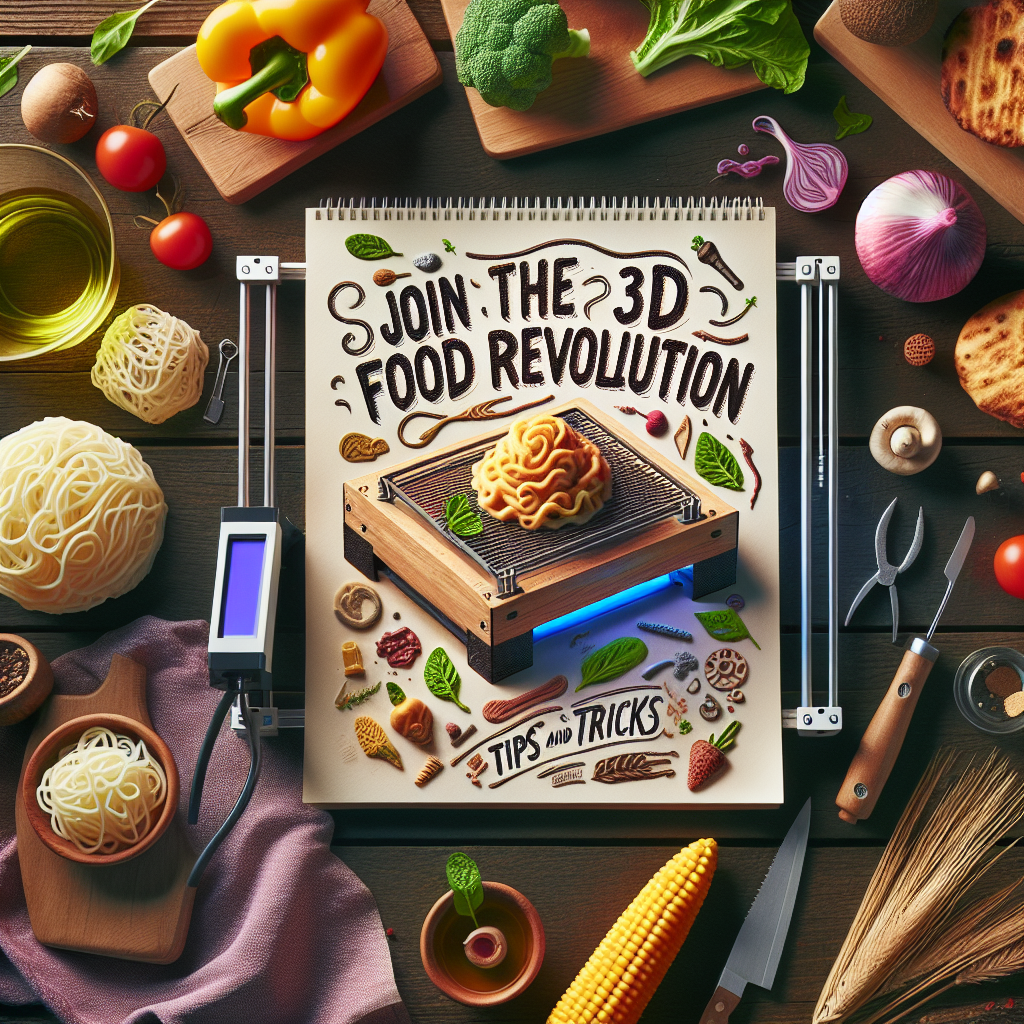
Join the 3D Food Revolution
Tips and Tricks
Welcome to the exciting world of 3D food printing! As this innovative technology transforms the culinary landscape, it’s crucial to understand how you can make the most of it. This guide offers valuable tips and tricks to help you navigate the process, from selecting the right ingredients to mastering the art of design. Get ready to elevate your cooking experience and join the 3D food revolution!
What is 3D Food Printing?
3D food printing is an innovative technology that produces food layers from various ingredients to create intricate shapes and structures. This process resembles traditional 3D printing, but instead, it uses edible materials to design mouth-watering creations.
Benefits of 3D Food Printing
Customization
With 3D food printing, you can customize recipes to fit dietary restrictions, taste preferences, or even artistic visions. Create meals tailored to individual needs.
Sustainability
3D food printing can help reduce food waste by using alternative ingredients that would otherwise go unused. Companies like Food Tech Connect are exploring sustainable practices in the food industry.
Innovation and Creativity
This technology enables chefs and food designers to unleash their creativity, pushing the boundaries of culinary art and offering diners new experiences.
Getting Started with 3D Food Printing
Choosing the Right 3D Food Printer
When selecting a food printer, consider factors such as:
- Budget
- Size and capacity
- User-friendliness
- Material compatibility
Check out 3D Printers Online for a comprehensive guide to various models.
Ingredients and Materials
Common ingredients used in 3D food printing include:
- Pureed fruits and vegetables
- Doughs and batters
- Chocolate and sugars
Experimenting with different textures and flavors can lead to exciting culinary discoveries.
Tips for Successful 3D Food Printing
Start Simple
Begin with straightforward designs and recipes. As you gain confidence and skills, try more complex models and flavors.
Practice Patience
3D printing can require multiple attempts before achieving the desired outcome. Embrace the learning curve and keep experimenting.
Join Online Communities
Engaging with fellow enthusiasts can provide valuable insights and inspirations. Platforms like Reddit’s 3D Printing Community can be beneficial for tips, troubleshooting, and sharing your creations.
Future Trends in 3D Food Printing
Personalized Nutrition
As technology evolves, 3D food printing may allow for meals customized not just by taste but also by nutritional requirements tailored to individual health profiles.
Integration with Augmented Reality
Future advancements might include the integration of augmented reality, enabling users to visualize their designs before creating them.
Resources for Further Learning
To deepen your knowledge of 3D food printing, consider exploring the following resources:
- 3D Food Printing for industry news and advancements.
- NOVA’s article on the future of 3D food printing.
- Thingiverse for free designs and models to print.

Understanding 3D Printed Food
3D printed food involves the use of additive manufacturing technology to create edible meals layer by layer. This innovative approach can revolutionize the culinary landscape and address food scarcity issues.
How Does 3D Printing Work in Food?
The process uses a variety of food materials that are processed into a form suitable for extrusion. Printers can create complex shapes and textures that traditional cooking methods cannot achieve. This technology opens up a new realm of possibilities in food design and customization.
Applications of 3D Printed Food
3D printed food has several potential applications, including:
- Personalized nutrition based on individual dietary needs
- Sustainable food production in limited-resource environments
- Creative culinary experiences and artistic food presentations
Current Limitations
Despite its promise, 3D printed food faces challenges related to taste, texture, and the scalability of production. The technology is still developing, and consumer acceptance plays a significant role in its future.
Future of 3D Printed Food
As technology advances, the potential for 3D printed food continues to grow. It’s seen not only as a novel idea but as a possible solution to some of modern society’s biggest challenges. For more information, visit Wikipedia on 3D Printing.

FAQs About Joining the 3D Food Revolution: Tips and Tricks
What is 3D food printing?
3D food printing is an innovative process that uses a 3D printer to layer ingredients, creating custom food items. This technology allows for unique designs and textures in food preparation.
How can I get started with 3D food printing?
To start, you’ll need a 3D food printer and suitable food materials, such as dough, purees, or chocolate. Familiarize yourself with the printer’s software and begin with simple recipes to understand the process.
What types of food can be printed?
Many types of food can be printed, including pasta, chocolates, and even savory items like pizzas. The key is to use ingredients that have the right texture and viscosity for printing.
Are there any tips for creating good designs?
Experiment with different shapes and structures. Start with basic designs, and gradually incorporate more complexity as you become comfortable with the technology. Always consider the printing speed and layer height for better results.
What ingredients work best for 3D printing?
Ingredients that are smooth and can be easily extruded work best, such as dough, pureed foods, and certain chocolates. Make sure to adjust the consistency for optimal printing results.
Can I create gourmet dishes using 3D food printing?
Absolutely! Many chefs are experimenting with 3D food printing to create gourmet dishes with intricate designs and textures, elevating the cooking experience.
Are there any common mistakes to avoid?
Common mistakes include not calibrating the printer properly, using incorrect ingredient consistencies, and not preheating the printer when necessary. Always refer to the user manual for best practices.
Where can I find resources and recipes for 3D food printing?
Numerous online communities, forums, and websites offer resources, recipes, and tips for 3D food printing. Additionally, some printer manufacturers provide starter recipes and tutorials on their websites.
This HTML snippet includes a structured FAQ section with appropriate headings and answers related to 3D food printing.

Join the 3D Food Revolution: Tips and Tricks
- Understand the basics of 3D printing technology.
- Choose the right materials for food-safe printing.
- Experiment with different food textures and flavors.
- Maintain your printer for optimal performance.
- Use 3D modeling software to design intricate food shapes.
- Start with simple recipes before advancing to complex dishes.
- Stay updated on industry developments and new materials.
- Engage with online communities for support and inspiration.