

Contents
Elevating Flavor Profiles: Adding White Pepper to Traditional Asian Dishes
White pepper is a popular spice used in traditional Asian cuisine to enhance the flavor of various dishes. It is obtained from the dried fruits of the Piper nigrum plant, which are then processed to remove the outer skin and reveal the white inner seed. This subtle yet distinctive spice adds a unique depth and complexity to meals, elevating the overall flavor profiles of traditional Asian dishes.
When added to traditional Asian dishes, white pepper brings a subtle heat and spiciness, without overpowering the other flavors. Its mild and earthy notes complement a wide range of ingredients commonly used in Asian cooking, such as soy sauce, ginger, garlic, and various aromatic herbs and spices.
The addition of white pepper can transform a simple stir-fry into a flavor-packed delight. Its presence enhances the umami taste, creating a harmonious balance between the different flavors in the dish. Whether you are preparing a traditional Chinese stir-fried noodle dish, a Thai curry, or a spicy Korean barbecue, white pepper can take the dish to the next level.
Not only does white pepper elevate the overall flavor of Asian dishes, but it also offers potential health benefits. It contains a compound called piperine, which has been found to have antioxidant and anti-inflammatory properties. Additionally, white pepper is known to aid digestion and improve nutrient absorption, making it a valuable addition to any culinary creation.
In conclusion, adding white pepper to traditional Asian dishes is a simple yet effective way to enhance their flavor profiles. Its subtle heat and mild earthy notes complement a variety of ingredients, making it a versatile spice in Asian cuisine. So, why not experiment in your kitchen and experience the delightful transformation that white pepper can bring to your favorite dishes!
Elevating Flavor Profiles: Adding White Pepper to Traditional Asian Dishes
Why White Pepper?
When it comes to adding a unique twist to traditional Asian dishes, white pepper is the secret ingredient that can truly elevate the flavor profiles. Unlike its black counterpart, white pepper offers a subtler heat that enhances the natural flavors of the ingredients without overpowering them.
The Versatility of White Pepper
White pepper is widely used in various Asian cuisines due to its versatility. Whether you’re preparing Chinese stir-fries, Thai curries, or Vietnamese soups, this humble spice can be incorporated seamlessly into almost any dish. Its mild yet distinct flavor makes it an excellent choice for those wanting to experiment with different flavor combinations.
Enhancing the Aroma and Flavor
One of the key reasons for adding white pepper to traditional Asian dishes is its ability to enhance the aroma and flavor without altering the dish’s overall taste. The spice adds a subtle depth and warmth, bringing out the best in ingredients like meats, vegetables, and sauces.
Balancing Heat and Flavor
While some spices may solely focus on heat or flavor, white pepper strikes the perfect balance between the two. Its heat is more gradual compared to black pepper, allowing the other flavors in the dish to shine through. This balance is crucial in Asian cuisine, where harmonizing contrasting flavors is highly valued.
Recommended Use in Popular Asian Dishes
Here are a few traditional Asian dishes where white pepper can be an incredible addition:
- Hot and Sour Soup: White pepper adds a subtle heat that harmonizes perfectly with the tanginess of this classic Chinese soup.
- Pad Thai: Sprinkle a dash of white pepper over this popular Thai noodle dish to intensify the already delicious flavors.
- Pho: White pepper brings out the aromatic qualities of Vietnamese pho, enhancing the overall experience when enjoying this beloved soup.
- Szechuan Chicken: This fiery Szechuan dish benefits from the mild heat and delicate flavor of white pepper, allowing the other spices to shine.
- Miso Soup: Adding a pinch of white pepper to miso soup elevates its umami-rich taste while ensuring the pepper doesn’t overpower the delicate broth.
Conclusion
Next time you’re looking to create a delicious Asian dish, don’t forget to reach for the white pepper. Its versatile flavor, ability to enhance aromas, and subtle heat make it a perfect choice for elevating traditional Asian recipes. So, why not experiment with this underrated spice and bring out the best in your culinary creations?
Keywords: White pepper, Asian dishes, flavor profiles, traditional recipes, Chinese cuisine, Thai cuisine, Vietnamese cuisine, heat, aroma, versatility
FAQs: Elevating Flavor Profiles – Adding White Pepper to Traditional Asian Dishes
What is white pepper?
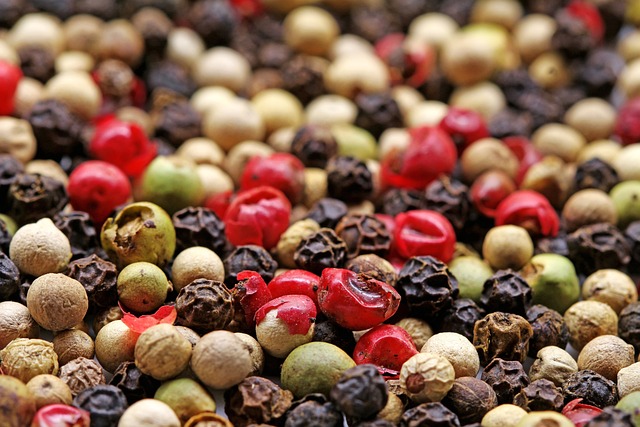
White pepper is a spice commonly used in Asian cuisine. It is derived from the dried and fully ripened fruit of the Piper nigrum plant. Unlike black pepper, which is made from unripe green berries, white pepper is made by removing the outer skin of the mature fruit, leaving behind the inner seed.
How does white pepper enhance flavor in Asian dishes?
White pepper has a distinct flavor that is both pungent and slightly earthy. When added to traditional Asian dishes, it imparts a subtle spiciness and enhances the overall flavor profile. It complements the flavors of various herbs, spices, and ingredients commonly found in Asian dishes.
Which Asian dishes can benefit from the addition of white pepper?
White pepper can be used in a wide range of Asian dishes. It goes well with soups, stir-fries, marinades, sauces, and meat-based or vegetable-based dishes. It can enhance the flavors of dishes like hot and sour soup, fried rice, mapo tofu, Sichuan chicken, and many others.
Are there any health benefits associated with consuming white pepper?
White pepper is believed to have certain health benefits. It contains antioxidants that can help fight inflammation and may support digestion. It is also known to have antimicrobial properties that can aid in food preservation. However, it is important to note that the consumption of white pepper should be in moderation, as excessive intake may cause digestive discomfort for some individuals.
How should I store white pepper?
To maintain the freshness and flavor of white pepper, it is best to store it in an airtight container in a cool and dark place, away from direct sunlight and moisture. Whole white peppercorns can be stored for a longer period compared to ground white pepper, which tends to lose its potency more quickly.

White Pepper: A Staple Ingredient in Asian Cuisine
What is White Pepper?
White pepper is a commonly used spice in Asian cooking. It is derived from the same plant as black pepper, but possesses a slightly different flavor profile. While black pepper is made from dried unripe fruit, white pepper is made from the ripe fruit seeds, which are soaked, fermented, and then dried.
Flavor and Culinary Uses
White pepper has a milder and more delicate flavor compared to black pepper. It provides a subtle heat that enhances the taste of many dishes without overpowering them. In Asian cuisine, it is frequently used in soups, stir-fries, marination, and sauces.
Benefits of Using White Pepper
Aside from its distinct flavor, white pepper also offers certain health benefits. It is believed to aid digestion, stimulate appetite, and possess antioxidant properties. It is also known to have antimicrobial effects, making it a popular ingredient in traditional medicine.
Key Differences between White Pepper and Black Pepper
Although white and black pepper come from the same plant, their distinct processing methods result in different appearances, flavors, and overall uses. While black pepper is commonly used in Western cuisine, white pepper is more prevalent in Asian and European cooking.
Unlike black pepper, white pepper is usually ground into a fine powder before use, as its outer layer can be gritty. This makes it easier to incorporate into dishes that require a smooth texture, such as creamy soups or sauces.
If you want to learn more about white pepper, you can visit the relevant Wikipedia page on white pepper.

Summary
-
Introduction
White pepper is an essential ingredient in traditional Asian cooking, known for its distinct flavor and aroma.
-
Enhancing Traditional Dishes
By incorporating white pepper into traditional Asian recipes, it provides an elevated flavor profile that adds a unique twist.
-
Subtle Heat and Aroma
White pepper brings a subtle heat and distinct aroma to dishes, enhancing both the taste and fragrance of the final product.
-
Complementing Other Flavors
The addition of white pepper blends harmoniously with other spices and ingredients, enhancing their flavors and creating a well-rounded taste.
-
Experiment and Discover
Don’t be afraid to experiment with white pepper in different Asian dishes. Its versatile nature opens up a world of possibilities for culinary exploration.
-
Conclusion
Elevate the flavor profiles of your traditional Asian dishes by incorporating the unique and aromatic qualities of white pepper.