Contents
Exploring Different Types of Salt Substitutes for Healthier Meals
Salt is a common ingredient in many dishes, but consuming too much salt can be harmful to our health. Fortunately, there are various alternatives to traditional table salt that can add flavor to our meals without the negative health effects.
In this article, we will explore different types of salt substitutes that can help you create healthier meals without sacrificing taste.

The Role of Salt in Our Diets
Salt is a crucial ingredient in many dishes, as it enhances flavors and helps to preserve food. However, consuming too much salt can lead to health issues such as high blood pressure and heart disease. That’s why finding healthier alternatives to traditional salt is important for maintaining a balanced diet.
Types of Salt Substitutes
There are several salt substitutes available that can help reduce your sodium intake without sacrificing flavor. Some popular options include:
- Herbs and Spices: Using herbs and spices to season your dishes can add depth and complexity to your meals without the need for salt. Experiment with options like garlic, cumin, and paprika to enhance flavors.
- Lemon Juice: The acidity of lemon juice can mimic the taste of salt and brighten up your dishes. Squeeze fresh lemon juice over salads, vegetables, and meats for a zesty kick.
- Sea Salt: While still a form of salt, sea salt is less processed than table salt and contains beneficial minerals. Use it in moderation to add flavor to your meals.
- Low-Sodium Soy Sauce: For dishes that require a salty kick, opt for low-sodium soy sauce instead of traditional soy sauce. It’s a flavorful alternative that contains less sodium.
Benefits of Using Salt Substitutes
Using salt substitutes in your cooking can have many benefits for your health, including:
- Reducing your sodium intake, which can help prevent high blood pressure and heart disease.
- Encouraging you to experiment with new and exciting flavors in your dishes.
- Providing a more natural and wholesome alternative to traditional table salt.
Conclusion
Exploring different types of salt substitutes can help you create healthier meals without sacrificing taste. By incorporating herbs, spices, and other alternatives into your cooking, you can reduce your sodium intake and improve your overall health.
For more information on salt substitutes and healthy cooking tips, visit American Heart Association.
Exploring Different Types of Salt Substitutes for Healthier Meals
What are some common salt substitutes?
Common salt substitutes include potassium chloride, sea salt, and herb/spice blends.
Are salt substitutes a healthier option?
Salt substitutes can be a healthier option for those looking to reduce their sodium intake. However, it is important to consult with a healthcare provider, especially for individuals with certain medical conditions that may require a low-sodium diet.
How can I incorporate salt substitutes into my meals?
You can use salt substitutes in place of regular table salt when cooking or seasoning your food. Experiment with different types of salt substitutes and find a blend that suits your taste preferences.
Are there any potential risks or side effects of using salt substitutes?
Some salt substitutes, particularly those containing potassium chloride, may not be suitable for individuals with kidney problems or certain medical conditions. It is important to read labels carefully and consult with a healthcare provider before incorporating salt substitutes into your diet.

Salt Substitutes for Cooking
When it comes to cooking, many people are looking for alternatives to traditional table salt. Whether it be for health reasons or simply to experiment with different flavors, there are several salt substitutes that can be used in the kitchen.
1. Himalayan Pink Salt
Himalayan pink salt is a popular alternative to table salt. It is known for its distinctive pink color and its slightly milder taste. Many people prefer using Himalayan pink salt in their cooking as it is believed to contain more minerals than regular table salt.
2. Sea Salt
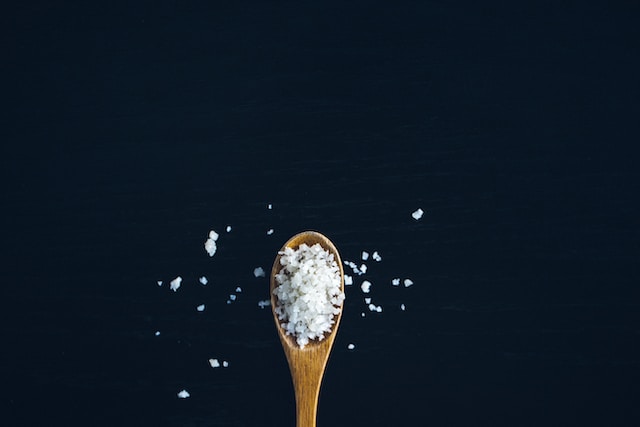
Sea salt is another great substitute for table salt. It is harvested from evaporated seawater and contains trace minerals that can add extra flavor to your dishes. Sea salt comes in various forms such as fine, coarse, or flaked, and can be used in a similar way to table salt.
3. Herb Blends
Herb blends are a fantastic way to add flavor to your dishes without relying on salt. You can create your own herb blends or purchase pre-made ones from the store. Some popular herb blends include garlic and herb, Italian seasoning, and lemon pepper.
For more information on different types of salt substitutes, you can visit Wikipedia’s page on salt substitutes.
Exploring Different Types of Salt Substitutes for Healthier Meals
- Sea salt: Contains minerals and is less processed than table salt
- Herbs and spices: Add flavor without the sodium
- Lemon or lime juice: Provides a tangy kick to dishes
- Vinegar: Adds acidity and depth to recipes
- Low-sodium soy sauce: Offers umami flavor without the high sodium content