Contents
Exploring the Flavor Differences: Fine Salt vs. Coarse Salt in Cooking
When it comes to seasoning your dishes, the type of salt you use can make a big difference in the flavor profile of your food. Fine salt and coarse salt are two common options that can impact the taste and texture of your meals.

Fine Salt vs. Coarse Salt: Understanding the Differences
When it comes to seasoning your dishes, salt is an essential ingredient that can enhance the flavors of your food. However, not all salts are created equal. Fine salt and coarse salt are two common types of salt used in cooking, each with its own unique characteristics and flavor profiles. In this blog post, we will explore the differences between fine salt and coarse salt, and how they can impact the taste of your dishes.
Fine Salt
Fine salt, also known as table salt, is the most common type of salt used in cooking. It has a fine texture and dissolves easily, making it ideal for seasoning dishes during the cooking process. Fine salt is typically fortified with iodine, which is essential for thyroid function. However, some people may find that fine salt can be too salty if not used in moderation.
Coarse Salt
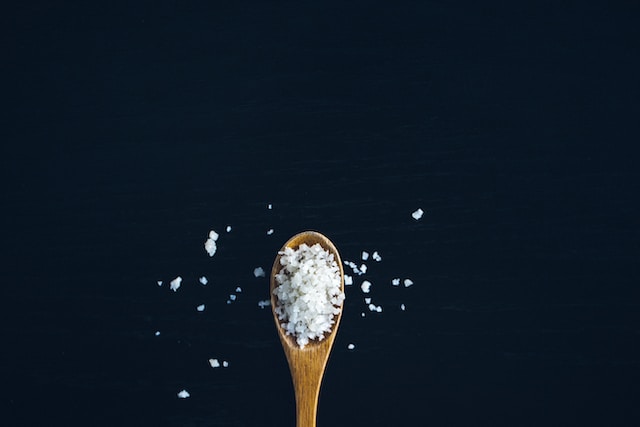
Coarse salt, on the other hand, has larger granules and a more textured appearance. It is often used as a finishing salt, sprinkled on top of dishes just before serving to add a crunchy texture and burst of flavor. Coarse salt does not dissolve as easily as fine salt, so it is best used as a finishing touch rather than mixed into dishes during cooking.
Flavor Differences
The main difference between fine salt and coarse salt lies in their texture and how they interact with food. Fine salt disperses more evenly throughout dishes, while coarse salt adds a crunchy texture and bursts of saltiness. Some chefs prefer to use a combination of both fine and coarse salt to achieve a balanced flavor profile in their dishes.
Ultimately, the choice between fine salt and coarse salt comes down to personal preference and the type of dish you are preparing. Experimenting with different types of salt can help you discover new ways to enhance the flavors of your meals and take your cooking to the next level.
Conclusion
Whether you prefer the fine texture of table salt or the crunchy bursts of flavor from coarse salt, both types of salt can elevate the taste of your dishes in unique ways. By understanding the differences between fine salt and coarse salt, you can experiment with different types of salt in your cooking and discover new flavor combinations that will delight your taste buds.
For more information on different types of salt and how to use them in your cooking, check out this guide on types of salt from Food Network.
Exploring the Flavor Differences: Fine Salt vs. Coarse Salt in Cooking
What are the main differences between fine salt and coarse salt?
One of the main differences between fine salt and coarse salt is the texture. Fine salt has a finer texture, while coarse salt has larger granules. This difference can affect how the salt is distributed and absorbed in dishes.
How do the flavors of fine salt and coarse salt differ?
The size of salt crystals can impact how the salt dissolves and spreads in a dish. Coarse salt tends to dissolve more slowly, providing bursts of saltiness in dishes. Fine salt, on the other hand, disperses more evenly and can sometimes be perceived as saltier due to its smaller grains.
Which type of salt is better for seasoning dishes?
Both fine salt and coarse salt can be used for seasoning dishes, depending on personal preference and the type of dish being prepared. Coarse salt is often preferred for seasoning meats, while fine salt is commonly used for baking and general seasoning.
Can fine salt and coarse salt be used interchangeably in recipes?
While fine salt and coarse salt can be used interchangeably in most recipes, it is important to consider the texture and flavor impact of each type of salt. If a recipe calls for a specific type of salt, it is recommended to use that type to achieve the desired results.

Fine Salt vs Coarse Salt for Recipes
When it comes to cooking, salt is a crucial ingredient that can make or break a dish. One common debate among chefs and home cooks is whether to use fine salt or coarse salt in recipes. Let’s explore the differences between the two types of salt and their impact on your dishes.
Fine Salt
Fine salt, also known as table salt, is the most commonly used type of salt in cooking. It has a finer texture than coarse salt, which means it dissolves more quickly and evenly in dishes. Fine salt is great for seasoning dishes during cooking or at the table, as it provides a subtle and even distribution of saltiness.
Coarse Salt
Coarse salt, on the other hand, has a larger grain size and a more irregular shape. This type of salt is often used as a finishing salt, sprinkled on top of dishes just before serving to add a crunchy texture and burst of flavor. Coarse salt can also be used in brines and rubs, as its larger crystals dissolve more slowly and can impart a more intense saltiness to the dish.
Ultimately, the choice between fine salt and coarse salt comes down to personal preference and the specific dish you are preparing. Some chefs prefer the control and subtlety of fine salt, while others enjoy the texture and boldness of coarse salt. Experiment with both types of salt in your recipes to see which one works best for you.
For more information on salt, check out Wikipedia’s page on salt.
Summary:
- Fine salt dissolves quicker and is better for seasoning dishes while cooking.
- Coarse salt adds a burst of flavor and texture when used as a finishing touch.
- Each type of salt brings out different flavor profiles in dishes.
- Experimenting with different salts can enhance the overall taste of your culinary creations.