Contents
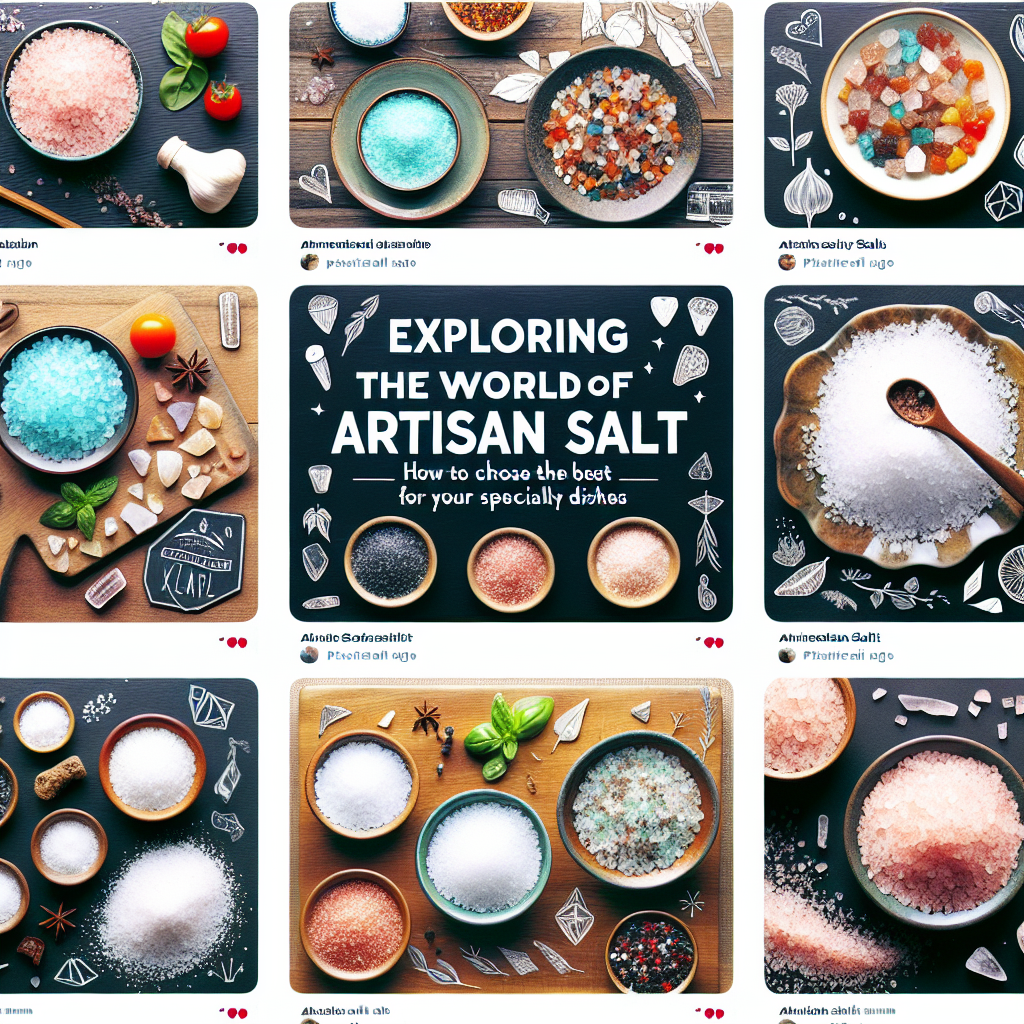
Exploring the World of Artisan Salt: How to Choose the Best for Your Specialty Dishes
Artisan salt has become an essential ingredient in modern culinary practices, elevating dishes with its unique flavors and textures. From flaky sea salt to colorful Himalayan pink salt, the world of artisan salt offers a diverse array of options to enhance your cooking. But with so many choices available, how do you choose the best salt for your specialty dishes?
This guide will delve into the various types of artisan salts, their distinct characteristics, and practical tips on selecting the right one to complement your culinary creations. Whether you’re a seasoned chef or a home cook, understanding the nuances of artisan salt will undoubtedly enrich your cooking experience.

Understanding Artisan Salt
Artisan salt is distinctively crafted, often sourced from unique geographical locations, and enriched with various minerals. This variety is what gives it special flavors and textures that enhance culinary experiences.
Types of Artisan Salt
There are several types of artisan salt, each with unique characteristics. Below are some of the most popular options:
- Himalayan Pink Salt: Known for its mineral content, it offers a mild flavor and a beautiful pink hue.
- Fleur de Sel: A French salt harvested from coastal regions, this salt features delicate crystals and a moist texture.
- Malden Sea Salt: This flaky sea salt from England provides a crunchy texture and a clean, bright flavor.
- Smoked Sea Salt: Infused with smoke from different types of wood, it adds depth to meats, vegetables, and even desserts.
Factors to Consider When Choosing Artisan Salt
Flavor Profile
The flavor is the most important factor when choosing artisan salt. Each type offers varying degrees of salinity and distinctive mineral notes. For instance, Himalayan salt is slightly sweet, while smoked sea salt imparts a rich umami flavor.
Texture
Salt can come in fine, coarse, or flaky textures. The choice depends on how you plan to use it. Coarse salts work well for meat rubs, while fine salts dissolve quicker in cooking.
Origin and Quality
Consider the source. Artisan salts extracted from specific regions often carry unique characteristics. Always look for reputable brands that disclose their harvesting methods. For more details about different types of salts, visit SaltWorks.
Application in Specialty Dishes
Enhancing Meats
When grilling or roasting meats, using a salt with larger grains allows for better texture and flavor infusion. Try using fleur de sel or Maldon sea salt as a finishing touch for an elevated taste experience.
Integrating in Baking
In baking, using a fine kosher salt can enhance the overall flavor without overpowering the dish. Artisan salts like smoked sea salt can add a unique twist to recipes for caramel or chocolate desserts.
Final Thoughts
Choosing the right artisan salt can dramatically affect your culinary creations. Experimenting with various types can reveal new flavors and textures you never knew existed in your favorite dishes.
Resources for Further Exploration
- Salt News – Stay updated with the latest in the salt world.
- Gourmet Food World – A selection of artisan salts for purchase.
- MasterClass Salt Guide – Learn more about different salts and their uses in cooking.
FAQs About Artisan Salt
What is artisan salt?
Artisan salt is a type of salt that is harvested using traditional methods and often features unique flavors and textures. It can come from various sources, including sea salt, rock salt, and evaporated salt from mineral-rich areas.
How do I choose the best artisan salt for my specialty dishes?
When selecting artisan salt, consider the dish you’re preparing. Different salts can enhance flavors in various ways. Look for salts with distinct flavor profiles that complement your ingredients.
What are the most popular types of artisan salt?
- Fleur de Sel: A delicate sea salt harvested from the surface of seawater evaporations.
- Himalayan Pink Salt: Known for its unique mineral content and pink hue, perfect for grilling and finishing dishes.
- Smoked Salt: Adds a rich, smoky flavor to meats and vegetables, ideal for BBQ or grilling dishes.
- Black Lava Salt: Infused with activated charcoal, it offers a striking appearance and subtle mineral taste.
How should I store my artisan salt?
Your artisan salt should be stored in a cool, dry place in an airtight container. This helps preserve its texture and flavor quality over time.
Can artisan salt be used in baking?
Yes, artisan salts can enhance the flavor of baked goods. However, it’s important to ensure the salt is properly dissolved. Fine-grained salts work best for baked items to avoid a grainy texture.
Are there health benefits to using artisan salt?
Many artisan salts contain trace minerals that can contribute to flavor as well as nutritional benefits. However, it’s essential to consume salt in moderation, regardless of type.
What is the difference between kosher salt and artisan salt?
Kosher salt is typically harvested through a different process and has a larger grain size. Artisan salts, on the other hand, often highlight regional flavors and may contain additional minerals.

The Benefits of Artisan Salt in Culinary Creations
Artisan salt, harvested through traditional methods, offers unique flavors and textures that enhance any dish. Chefs and home cooks alike are recognizing its importance in culinary recipes.
Types of Artisan Salt
There are various types of artisan salt, each with distinctive characteristics:
- Fleur de Sel: Collected from the surface of salt ponds, this delicate salt is ideal for finishing dishes.
- Himalayan Pink Salt: This salt is known for its mineral-rich composition and vibrant pink hue, making it perfect for both seasoning and presentation.
- Smoked Sea Salt: Infused with smoky flavors, this salt offers a unique twist to grilled meats and vegetables.
How to Use Artisan Salt in Special Dishes
Incorporating artisan salt into your cooking can elevate flavors significantly. Here are a few tips:
- Use fleur de sel as a finishing touch on salads and desserts.
- Season meats with Himalayan pink salt before cooking to enhance juiciness and flavor.
- Sprinkle smoked sea salt on roasted vegetables to add depth.
Learn More About Artisan Salts
For a deeper understanding of salt types and their uses, check out the Salt article on Wikipedia.
Exploring the World of Artisan Salt: How to Choose the Best for Your Specialty Dishes
- Understanding Artisan Salt: Unique flavors, textures, and sourcing methods.
- Types of Artisan Salt: Sea salt, Himalayan salt, smoked salt, and more.
- Tasting Profiles: How to assess flavor nuances for dishes.
- Cooking Applications: Choosing the right salt for different cooking methods and dishes.
- Health Considerations: Nutritional benefits and mineral content in artisan salt.
- Pairing Ideas: Complementing flavors in gourmet cooking.
- Sourcing Recommendations: Where to find high-quality artisan salts.