Contents
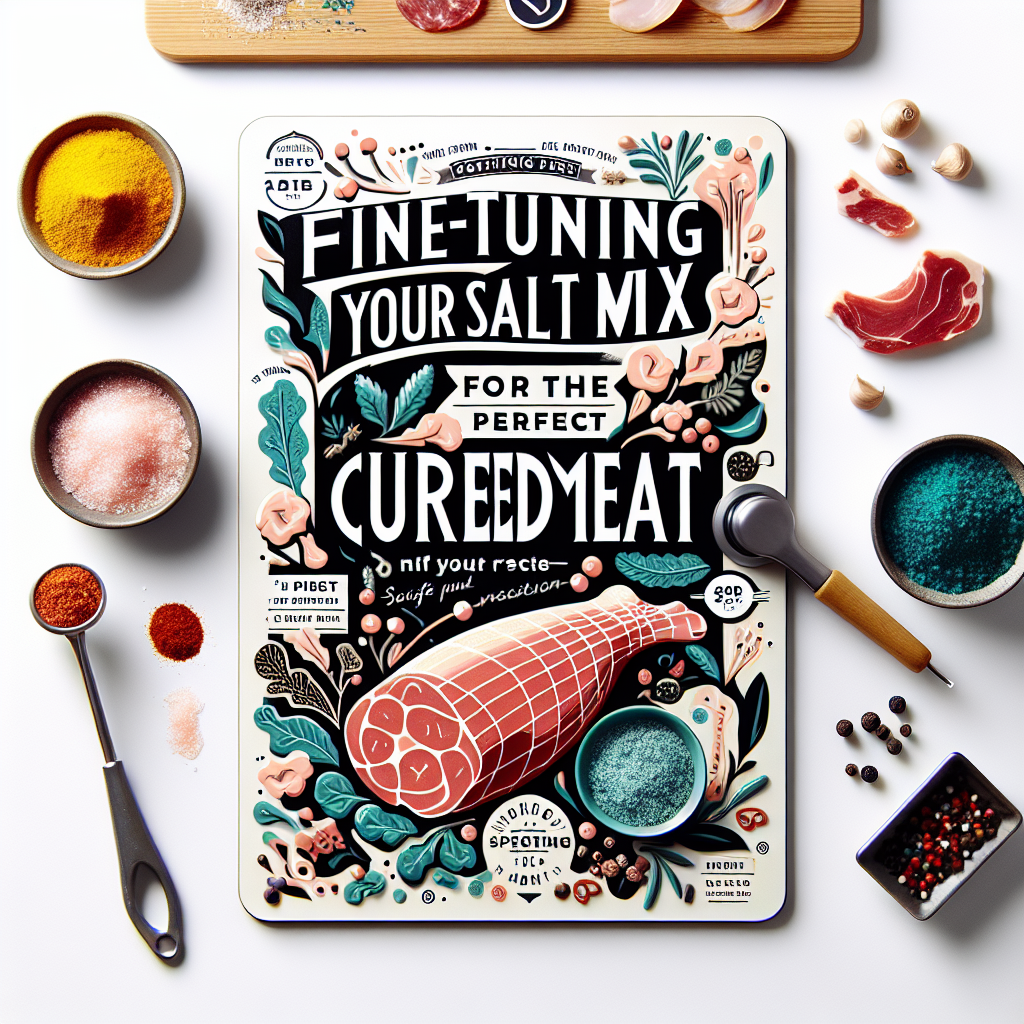
Fine-tuning Your Salt Mix for the Perfect Cured Meat
Introduction
Curing meat is an age-old preservation method that not only extends the shelf life of proteins but also enhances their flavor profile. At the heart of this culinary art lies the salt mix—an essential element that can make or break the final product. A well-balanced salt mix can draw out moisture, intensify flavors, and contribute to the meat’s overall texture. However, achieving the perfect salt blend requires a deeper understanding of the ingredients and their interactions. In this guide, we will explore how to fine-tune your salt mix, consider various curing agents, and examine techniques that will help you craft the ideal cured meat, tailored to your specific taste preferences.

Understanding the Role of Salt in Curing
Salt is a crucial ingredient in the process of curing meats. It acts not only as a preservative but also enhances flavor and texture. By learning to fine-tune your salt mix, you can improve your cured meats significantly. The two main types of salt used in curing are table salt and kosher salt.
Types of Salt
Understanding the different types of salt is vital for achieving the perfect cured meat:
- Table Salt: Fine grains that can dissolve quickly, leading to an uneven cure.
- Kosher Salt: Coarser grains that are favored for curing as they dissolve more slowly, allowing for a more controlled curing process.
- Sea Salt: May contain trace minerals that can add unique flavors to cured meat.
Calculating Salt Ratios
Getting the ratio of salt right is key to the curing process. Typically, a salt ratio of 2.5% to 3.5% of the meat weight is recommended.
Measuring for Success
To find the ideal salt mix for your specific recipe, follow these steps:
- Weigh your meat precisely before starting.
- Multiply the weight of the meat by your desired salt percentage (e.g., for a 1000g piece of meat at 2.5%, use 25g of salt).
- Adjust the salt mix based on personal taste and the specific type of meat.
Creating Your Custom Salt Mix
To fine-tune your salt mix, consider adding other ingredients to enhance both flavor and preservation.
Flavor Enhancements
Consider incorporating:
- Sugar: Balances the saltiness and helps create a caramelized crust.
- Spices: Add depth and complex flavors—think black pepper, garlic powder, or smoked paprika.
- Herbs: Fresh or dried herbs such as thyme or rosemary can introduce aromatic qualities.
Testing Your Mix
Before using your custom salt mix, conduct a small batch test. Apply the mix to a smaller piece of meat, allowing it to cure for a few days. Taste and adjust the recipe as needed.
Essential Equipment for Curing
Having the right tools can make the curing process easier and more effective:
- Digital Scale: Ensure accurate measurements for consistent results.
- Plastic or Glass Containers: Use non-reactive materials for curing.
- Thermometer and Hydrometer: Monitor temperature and humidity for optimal curing conditions.
Resources for Further Learning
For more in-depth information and recipes, consider visiting The Meat Guy, where you can find extensive resources on meat curing techniques.
Conclusion
Fine-tuning your salt mix is an essential step in creating the perfect cured meat. By understanding the role of salt, calculating the right ratios, and experimenting with flavor enhancers, you’ll be well on your way to mastering the art of meat curing.
FAQs on Fine-tuning Your Salt Mix for the Perfect Cured Meat
1. What is the importance of salt in meat curing?
Salt not only enhances flavor but also helps in the preservation of the meat by inhibiting the growth of harmful bacteria. It also assists in the curing process by drawing moisture out of the meat.
2. How do I determine the right salt ratio for my cured meat?
Generally, a good starting point is to use about 2.5% to 3% of the meat’s weight in salt. Adjust based on personal preference and the type of meat you are curing.
3. Can I use different types of salt for curing?
Yes, you can use various types of salt like kosher salt, sea salt, or pink curing salt. Each type will impart slightly different flavors and effects, so choose based on your desired outcome.
4. How do spices and other ingredients affect my salt mix?
Spices can add complexity to the flavor profile of your cured meat. Ensure you take their volume into consideration when adjusting your salt mix, as some spices can enhance the overall flavor without increasing the sodium content significantly.
5. How long should I cure my meat?
Curing time varies based on the type and thickness of the meat as well as the salt concentration. Generally, it’s advisable to cure for at least 5-7 days but can be longer depending on your recipe.
6. How can I test if my salt mix is balanced?
Conduct taste tests on small samples of the cured meat before committing to larger batches. You can adjust the salt mix based on these initial trials.
7. What are some common mistakes to avoid when fine-tuning my salt mix?
Avoid using too much or too little salt, which can result in overly dry meat or spoilage. Also, don’t forget to consider the impact of other ingredients and spices in your overall flavor profile.

Understanding Salt as a Preservative
Salt has been used for centuries as a vital method for preserving meats. This process, known as curing, involves the application of salt to meat to enhance flavor and prolong shelf life.
How Salt Works in Meat Curing
When salt is applied to meat, it draws out moisture through osmosis. This dehydration process inhibits the growth of bacteria that cause spoilage. Additionally, salt helps develop flavor and texture in cured meats, making them more enjoyable to consume.
Types of Salt Used in Curing Meat
Different types of salt can be used in meat curing, including:
- Table Salt
- Sea Salt
- Kosher Salt
- Pink Himalayan Salt
The Role of Nitrates and Nitrites
Nitrates and nitrites are often added to curing salts to enhance preservation and create a characteristic pink color in cured meats. These compounds also help prevent the growth of harmful bacteria.
Conclusion
Curing meat with salt is an ancient technique that remains popular today due to its effectiveness and the unique flavors it imparts. For more detailed information about curing and preservation methods, visit the Curing (food) Wikipedia page.
Fine-tuning Your Salt Mix for the Perfect Cured Meat
- Understand the importance of salt in curing processes.
- Experiment with different salt types (kosher, sea, pink Himalayan).
- Adjust salt levels based on meat type and thickness.
- Incorporate flavorings such as herbs, spices, and sugars.
- Monitor curing times and conditions (temperature, humidity).
- Taste-test batches to refine your mix.
- Document adjustments to enhance consistency in future batches.