

Contents
How does salt affect plant growth?
Salt, or sodium chloride (NaCl), is an essential mineral for human health but can be harmful to plants in high concentrations. When salt levels in the soil exceed a plant’s tolerance, it can interfere with its ability to absorb water and nutrients, causing dehydration and nutritional deficiencies. Additionally, the buildup of salt in the soil can create a toxic environment that damages root cells and reduces the plant’s overall growth and yield.
Some plants are more sensitive to salt than others, but the effects of salt on plant growth can be severe. Symptoms of salt damage include wilting, yellowing or browning of leaves, stunted growth, and reduced fruit or flower production.
There are several ways to manage salt in the soil and minimize its negative impact on plant growth. One method is to leach the soil with water to flush out excess salt. Another approach is to use salt-tolerant plants or varieties that are adapted to growing in high-salt environments.
Understanding the impact of salt on plant growth is essential for successful crop production and sustainable agriculture in regions with high soil salinity.

Introduction
Plants need certain minerals, such as potassium and magnesium, to grow and thrive. However, high levels of salt in the soil can negatively impact their growth and health. In this blog post, we will explore the effects of salt on plants and how it can affect their growth.
What is Salt?
Salt, or sodium chloride, is a compound made up of sodium and chlorine. It is commonly used to season food, melt ice, and preserve food. However, it also has harmful effects on plant growth when it is present in high concentrations in soil or water.
How Does Salt Affect Plant Growth?
1. Salt can cause dehydration
When there is too much salt in the soil, plants can become dehydrated. This is because salt can draw water out of the plant’s cells, making it difficult for the plant to absorb water and nutrients. As a result, the plant’s growth may be stunted, and its leaves may begin to wilt and yellow.
2. Salt can inhibit nutrient absorption
High levels of salt in the soil can also inhibit a plant’s ability to absorb essential nutrients like potassium and magnesium. This can lead to nutrient deficiencies that can negatively impact the plant’s growth and overall health.
3. Salt can damage roots
Excess salt in the soil can also damage a plant’s roots, making it difficult for the plant to absorb water and nutrients. If the damage is severe enough, the plant may die.
How Can Salt Build-Up in Soil?
Salt build-up in soil can occur in a few ways:
- Over-fertilization
- Using water with a high salt content
- Using road salt near plants
- Irrigating with water that has been treated with a water softener
What Can You Do to Prevent Salt Build-Up?
To prevent salt build-up in soil, you can:
- Use a soil test kit to monitor salt levels in the soil
- Water plants deeply and infrequently to help flush out excess salt
- Use fertilizers that are low in salt
- Choose plants that are tolerant of high salt levels
Conclusion
Salt can have harmful effects on plant growth and health, but there are ways to prevent salt build-up in soil and mitigate its impact. By monitoring salt levels in the soil, watering plants deeply and infrequently, using low-salt fertilizers, and choosing salt-tolerant plants, you can help ensure the health and growth of your plants.
References
- Gardening Know How – Salt in Soil: Effect on Plants & How to Reduce Soil Salt
- Hunker – How Does Salt Affect Plant Growth?
How does salt affect plant growth?
What is salt?
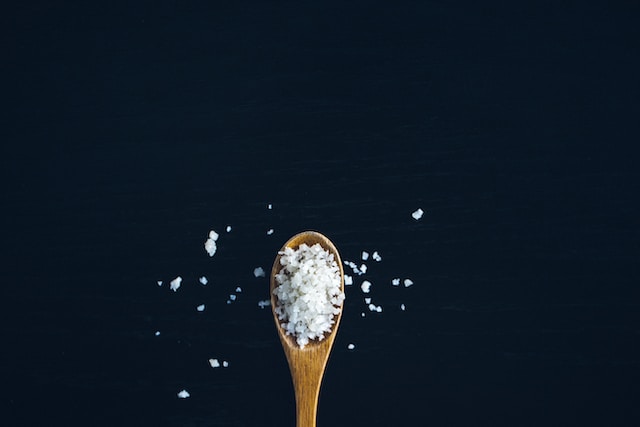
Salt, also known as sodium chloride (NaCl), is a chemical compound commonly used as a seasoning agent for food. It is composed of two essential nutrients for plant growth, sodium (Na) and chlorine (Cl).
How does salt affect plant growth?
While sodium and chlorine are essential for the health of plants, an excessive amount of salt in the soil can cause several adverse effects. When soil has too much salt, it can cause the plant to experience water stress, leading to reduced growth and yield. Furthermore, plants take up salt from the soil, which can further increase salt accumulation and cause plant cells to die or lose functionality. Salt can also change the soil structure, making it difficult for roots to grow and uptake nutrients.
What are the signs of salt damage in plants?
Plants that are exposed to excessive salt levels may show several signs of damage such as yellowing or browning of leaves, stunted growth or wilting, and reduced fruit or flower production. Additionally, a high salt concentration in the soil can increase the pH level, which can cause sudden changes in plant development and nutrient uptake.
How can I prevent or treat salt damage in plants?
If you notice signs of salt damage in your plants, it is essential to begin remediation measures as soon as possible. To prevent excessive salt accumulation in the soil, avoid using fertilizer or irrigation water that is high in salt. Test the soil regularly to monitor salt levels, and consider growing salt-tolerant plants when planting in saline soils. In case of salt damage, you can leach salt by applying water to wash it away from the soil or wait for rain. Avoid over-irrigation or excessive water application, as it can cause nutrients to leach out and wash away.

What is Himalayan Pink Salt?
Himalayan Pink Salt is a type of rock salt that is mined from the Khewra Salt Mine in Pakistan. It gets its name from the pale pink hue that comes from the minerals present in the salt.
Why is Himalayan Pink Salt a Popular Choice?
One reason for the popularity of Himalayan Pink Salt is its supposed health benefits. It is said to contain a variety of minerals that are good for the body, including potassium, magnesium, and calcium. Some people also claim that it can help with respiratory issues and promote better sleep.
Another reason for its popularity is its unique flavor. Himalayan Pink Salt has a slightly sweeter taste than traditional table salt, which makes it a popular choice for chefs and home cooks alike. It can be used to season meats, vegetables, and even desserts.
How to Use Himalayan Pink Salt
Himalayan Pink Salt can be used in the same way as traditional table salt. It can be added to dishes as they are cooking or used as a finishing salt for added flavor. Some people also like to use it in salt lamps or in bath salts for its supposed health benefits.
If you are interested in learning more about the benefits of Himalayan Pink Salt, check out the Wikipedia page on Himalayan salt.
How does salt affect plant growth?
- Excessive salt in soil can cause osmotic stress to plants.
- Salt can disrupt the water balance within the plant, causing water to leave the plant cells.
- This can lead to stunted growth, wilting, and reduced yield.
- In severe cases, salt can even cause the death of the plant.
- Plants have different tolerance levels for salt, some being more salt-tolerant than others.
- High levels of salt in the soil can be caused by irrigation with salty water or from the use of fertilizers that contain high amounts of salt.
- It is important to monitor soil salinity and to choose crops that are suited to growing in salty conditions.