Contents
How is Rock Salt Used in De-icing Roads?
Rock salt, also known as halite, is a type of salt that is commonly used for de-icing roads during winter. Due to its ability to lower the freezing point of water, rock salt is a popular choice for melting snow and ice from roads, driveways, and sidewalks.
When rock salt is spread on roads, it dissolves in the moisture on the surface and forms a brine solution. This brine solution has a lower freezing point than water, causing the ice to melt and making it easier to remove. Rock salt can effectively melt ice and snow at temperatures as low as 20°F (-7°C).
In addition to its effectiveness, rock salt is also widely available and cost-effective. It is estimated that rock salt is used on around 90% of US roads during winter.
However, there are some drawbacks to using rock salt. Overuse of rock salt can damage roads, vehicles, and vegetation. It can also have negative environmental impacts by contaminating groundwater and harming wildlife.
Overall, rock salt is a valuable tool for de-icing roads during winter. Its effectiveness, availability, and affordability make it a popular choice for many municipalities and homeowners.

Introduction
Winter weather can pose a danger to motorists and pedestrians alike. One of the most common ways to keep roads and sidewalks safe during snowy conditions is through the use of road salt. Rock salt, in particular, is a popular choice among municipalities and transportation departments for de-icing roads. In this post, we’ll explore the science behind rock salt and its effectiveness in keeping roadways safe.
What is rock salt?
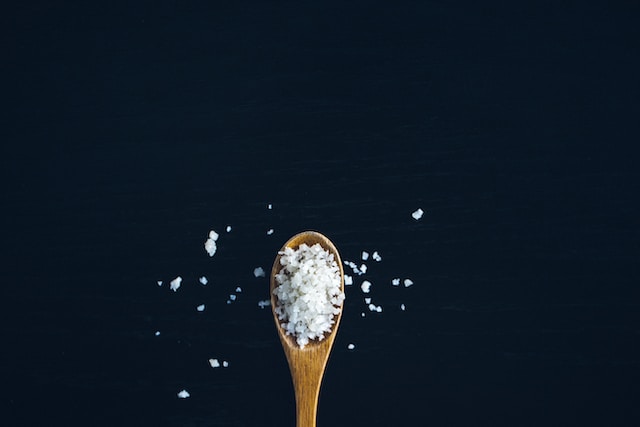
Rock salt is a type of salt that is composed mostly of sodium chloride. It is mined from underground salt deposits and then processed into large crystals or smaller pellets. Rock salt is typically a dull white or gray color and is commonly used as a de-icing agent because it lowers the freezing point of water.
How does rock salt work?
When rock salt is spread on icy roads, it creates a brine solution that lowers the melting point of the ice. This causes the ice to melt and turn into water, reducing the hazards of slippery roads. The salt also lowers the freezing point of water, which helps prevent the formation of new ice on the road surface.
How is rock salt applied?
Rock salt can be applied to roads using a variety of methods, including trucks with salt spreaders, hand-held spreaders, and snowplows that are equipped with salt spreaders. Typically, the salt is spread in a pattern that covers the entire road. The amount of salt used depends on the severity of the weather conditions and the size of the area being treated.
Are there any drawbacks to using rock salt?
While rock salt is a common and effective de-icing agent, it does have a few potential drawbacks. One is that it can be harmful to plants and trees when it is spread too close to them. Another is that overuse of salt can lead to environmental problems, such as soil and water pollution. Additionally, rock salt can cause damage to vehicles and infrastructure over time.
Conclusion
Overall, the use of rock salt is an important tool in keeping roads safe during the winter months. It works by lowering the freezing point of water, which can help prevent accidents due to icy conditions. However, it is important to use rock salt responsibly and to be aware of its potential drawbacks. For more information on the use of road salt and other de-icing agents, visit the Federal Highway Administration’s website.
FAQs: How is rock salt used in de-icing roads?
What is rock salt?
Rock salt, also known as halite, is a mineral composed of sodium chloride (NaCl). It is predominantly extracted from underground salt mines but can also be obtained from sea-water, brine and salt lakes.
How does rock salt de-ice roads?
When rock salt is applied to icy roads, it dissolves in the thin film of water that forms on the surface of the ice. The dissolution process releases heat, which causes the ice to melt. The resulting brine solution has a lower freezing point than water, so it prevents further ice formation.
What are the benefits of using rock salt to de-ice roads?
- It is effective in preventing and reducing ice formation on roads
- It is relatively inexpensive compared to other winter de-icers
- It does not harm asphalt or concrete road surfaces
What are the disadvantages of using rock salt to de-ice roads?
- It can damage vegetation and corrode metal structures
- It can dissolve and leach into soil and groundwater, affecting the environment
- It loses effectiveness at lower temperatures (-18°C and below)
How much rock salt is used to de-ice roads?
The amount of rock salt used depends on several factors, including the severity of the winter weather, the type of road surface, and the traffic volume. As a general rule, a standard application rate is 200-250 pounds of rock salt per lane mile.
Is there a best time to apply rock salt to roads?
In general, rock salt should be applied before the onset of snow or sleet so that it has time to dissolve and prevent ice formation. However, it can also be applied during snowfall or immediately after, as long as the snow has been plowed and the excess snow removed.

The Benefits of Using Himalayan Pink Salt
Introduction
Himalayan Pink Salt is a type of rock salt that is mined from the Khewra Salt Mine in Pakistan. It is known for its distinctive pink color and contains numerous essential minerals and nutrients that contribute to its health benefits. In this article, we will discuss some of the benefits of using Himalayan Pink Salt.
Health Benefits
One of the biggest advantages of Himalayan Pink Salt is that it is a rich source of minerals. It contains over 84 trace minerals, including calcium, potassium, magnesium, and iron. These minerals help to maintain a healthy balance of electrolytes in the body, which is essential for good health.
Another benefit of Himalayan Pink Salt is that it can help to regulate blood sugar levels. The minerals in the salt help to improve insulin sensitivity, which can help to reduce the risk of developing type 2 diabetes.
Culinary Benefits
In addition to its health benefits, Himalayan Pink Salt is also a popular choice for culinary purposes. It has a unique flavor that is less salty than regular table salt, which makes it ideal for seasoning a variety of dishes.
Himalayan Pink Salt is also a great choice for those who are looking to reduce their sodium intake. It contains less sodium than regular table salt, which makes it a healthier option.
Conclusion
Overall, Himalayan Pink Salt is a great option for those who are looking for a healthier alternative to regular table salt. It contains numerous minerals and nutrients that contribute to its health benefits, and it has a unique flavor that is ideal for seasoning a variety of dishes.
Learn more about Himalayan Pink Salt on Wikipedia.
How is rock salt used in de-icing roads?
- Rock salt is spread on roads before or after snowfall to prevent ice formation
- The salt lowers the freezing point of water, causing it to melt at a lower temperature
- As vehicles drive over the salt, it is crushed into smaller granules that spread across the road more evenly
- The salt creates a brine that dissolves any ice already formed and prevents further ice from forming
- Rock salt is a cost-effective and widely used method for de-icing roads in many regions