




Contents
How is Salt Harvested from the Ocean?
Salt is an essential mineral that we use in our food and in many industrial applications. It can be found in different forms, but the most common way of obtaining it is through harvesting salt from the ocean. The process involves extracting saltwater, evaporating it, and collecting the salt crystals.
Firstly, saltwater is pumped into large shallow ponds called salt pans. The sun then evaporates the water, leaving behind a concentrated solution of saltwater. Operators monitor the concentration levels of the saltwater, and when it reaches around 25% sodium chloride (salt), the brine is then transferred to smaller pans for further evaporation.
As the remaining water evaporates, salt crystals begin to form on the surface. Harvesting begins when enough salt has accumulated, and a layer of salt is manually collected by raking it towards the edge of the pan. The salt is then shoveled into piles to dry, which can take several days.
After the salt has dried, it is transported to a facility where it is cleaned, sorted, and packaged for commercial use. Some of the salt goes through additional processing, including iodization and the addition of anti-caking agents.
In conclusion, salt harvesting from the ocean is a process that involves several steps, including pumping saltwater into salt pans, evaporation, harvesting, cleaning, and packaging. The final product is used in various industries, including food, chemical, and pharmaceutical.

Overview
Salt is an essential ingredient in many of our everyday meals. It has been used for centuries as a preservative, seasoning and a natural remedy. However, salt isn’t just harvested from mines and rocks; the ocean is also a major source for salt production. In this blog post, we will be taking a look at how salt is harvested from the ocean.
The Process of Salt Harvesting
Before we get into the process of salt harvesting, it is important to understand what salt is and how it is formed. Salt is a mineral called sodium chloride (NaCl) which is formed when seawater evaporates. The process of salt harvesting, therefore, involves the evaporation of seawater to isolate salt.
Step 1: Collection
The first step in salt harvesting is the collection of seawater. This is usually done by building salt pans or shallow ponds near the shore where seawater can be easily accessed. The seawater is then directed into these pans through a network of channels.
Step 2: Isolation
Once the seawater has been collected, it is left to evaporate in the sun. This process can take several days, depending on the location and weather conditions. As the water evaporates, salt crystals begin to form on the surface of the water. The salt crystals are then raked and collected in piles. Any debris or impurities are removed by washing the salt crystals with more seawater.
Step 3: Refining
The salt crystals that are collected still contain impurities such as sand, clay and other minerals. To remove these impurities, the salt crystals are put through a refining process. The salt is first crushed and then washed several times to remove any remaining impurities. This process produces pure salt crystals that are ready for packaging and distribution.
Uses of Salt
Salt is an incredibly useful substance that has a wide range of applications. Some of its uses include:
- As a seasoning for food
- As a preservative for food
- As a natural remedy for various ailments
- As a de-icing agent on roads and pavements
- As a water softener
Conclusion
Harvesting salt from the ocean has been a traditional method of salt production for centuries. Although today, most of the salt that we use is produced through mining, ocean salt production is still an important industry. Understanding how salt is harvested from the ocean gives us a greater appreciation for this essential mineral.
Sources
- https://www.factretriever.com/salt-facts
- https://www.wise-geek.com/how-is-salt-harvested-from-the-ocean.htm
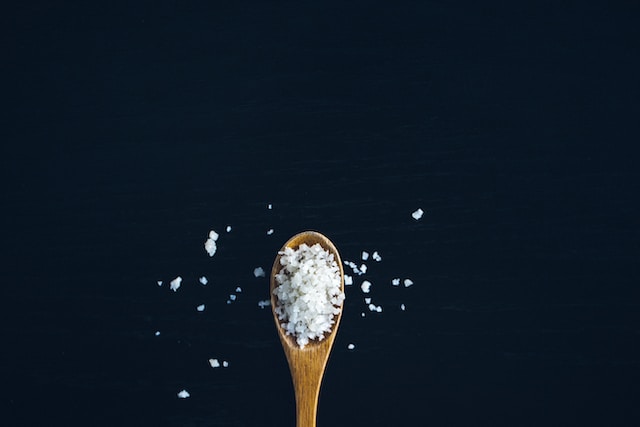
FAQs: How is salt harvested from the ocean?
How is ocean water turned into salt?
Ocean water is collected and transported to shallow, man-made pools or salt pans. The water is then allowed to evaporate naturally due to the sun and wind exposure. As the water evaporates, the salt crystals are left behind and collected.
What is the process of harvesting salt from the ocean called?
The process of harvesting salt from the ocean is called solar evaporation.
Where is salt harvested from the ocean?
Salt can be harvested from oceans around the world, but it is primarily done in areas with warm, arid climates like the Mediterranean, the coast of Australia, and the United States.
Is ocean salt harvested differently than other types of salt?
Yes, ocean salt is harvested differently than other types of salt. While most salt is mined from underground deposits or extracted from saltwater wells, ocean salt is collected through solar evaporation.
Is ocean salt better than other types of salt?
Ocean salt is often marketed as a natural and healthier alternative to table salt due to its lack of processing and added chemicals. However, there is no significant nutritional difference between ocean salt and other salts. The choice of salt ultimately depends on personal preference and dietary restrictions.

The Benefits of Himalayan Pink Salt
If you’re a food lover, you’re probably familiar with the importance of salt in cooking. But did you know that not all salts are created equal? Himalayan Pink Salt has become increasingly popular because of its unique flavor and numerous health benefits.
What is Himalayan Pink Salt?
Himalayan Pink Salt is a type of rock salt that is mined from the Khewra Salt Mine in Pakistan. It gets its distinctive pink color from the presence of iron and other minerals. Unlike table salt, which is heavily processed and stripped of its natural minerals, Himalayan Pink Salt is minimally processed and retains its natural mineral content.
The Health Benefits of Himalayan Pink Salt
Himalayan Pink Salt contains over 80 minerals and trace elements, making it a rich source of minerals that are essential for good health. Some of the health benefits of Himalayan Pink Salt include:
- Improving digestion
- Reducing inflammation
- Balancing pH levels in the body
- Regulating blood sugar levels
- Boosting immune function
- Promoting healthy respiratory function
How to Use Himalayan Pink Salt
Himalayan Pink Salt can be used in the same way as regular salt, but its unique flavor makes it especially delicious in gourmet dishes. You can use it to season meats, vegetables, and salads, or use it to rim cocktail glasses for a fancy touch.
If you’re interested in exploring the wonders of Himalayan Pink Salt further, be sure to check out Wikipedia for more information.
How is salt harvested from the ocean?
- The ocean water is channeled into shallow ponds or basins called salt pans.
- The sun evaporates the water, leaving behind the salt.
- The salt is collected and moved to a washing facility to remove any impurities.
- The salt is then dried and packaged for distribution.
- In some cases, machinery is used to speed up the process.