Contents
How to Choose the Best Quality Sea Salt for Seasoning Your Dishes
Choosing the right sea salt can significantly enhance the flavor of your dishes. With a variety of options available, it’s essential to understand the differences in taste, texture, and mineral content. Here are some key factors to consider when selecting the best quality sea salt:
- Source: Look for sea salts that are harvested from clean, pristine waters to ensure purity.
- Texture: Consider whether you prefer coarse crystals for finishing or fine salt for cooking.
- Flavor: Different sea salts offer unique flavors due to their mineral content; try various types to find your favorite.
- Certification: Check for certifications like organic or sustainably sourced to ensure quality.
By keeping these factors in mind, you can select a sea salt that not only enhances your culinary creations but also aligns with your personal preferences and values.

Understanding Sea Salt
Sea salt is harvested from evaporated seawater and is known for its mineral content and distinctive flavor. But not all sea salts are created equal. Here’s how to choose the best quality sea salt for your culinary needs.
Types of Sea Salt
Fine Sea Salt
Fine sea salt has a delicate texture and is great for general seasoning. It dissolves easily in dishes, making it perfect for baking and cooking.
Coarse Sea Salt
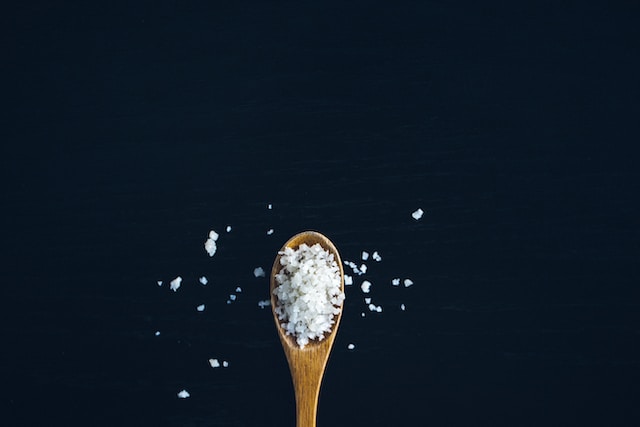
Coarse sea salt consists of larger crystals, making it ideal for finishing dishes. It adds a delightful crunch and bursts of flavor when sprinkled on cooked meats or vegetables.
Fleur de Sel
This hand-harvested sea salt is typically found in coastal regions of France. Known for its flaky texture and mild taste, Fleur de Sel is considered a premium finishing salt.
Key Factors to Consider
Mineral Content
Different sea salts contain varying amounts of minerals, which can influence their flavor. Look for salt that specifies its mineral content to better understand the taste profile.
Source
The location where the sea salt is harvested can have an effect on its flavor. Consider salts from reputable regions like Guerande, France or Maldon, England.
Processing Methods
Look for sea salts that are minimally processed. Sea salts that undergo excessive refinement lose some of their natural minerals and flavors.
Health Considerations
Sodium Content
Be mindful of sodium levels in sea salts. While sea salt contains less sodium than table salt by volume due to its larger crystals, it still contributes to overall sodium intake.
Added Ingredients
Avoid sea salts with added ingredients such as anti-caking agents or artificial flavors. Pure sea salt should consist of just one ingredient: salt. Always check the label for purity.
Using Sea Salt in Cooking
Seasoning Techniques
Season dishes with sea salt at different stages of cooking. Use fine sea salt while cooking and coarse sea salt as a finishing touch to enhance flavor.
Pairing Sea Salt with Ingredients
Different salts work well with various ingredients. For example, Fleur de Sel pairs beautifully with chocolates, while coarse sea salt is perfect for grilled meats.
Conclusion
Choosing the best quality sea salt can elevate your dishes and enhance your culinary experiences. Remember to consider the type, source, processing methods, and health aspects when selecting your sea salt.
FAQs: How to Choose the Best Quality Sea Salt for Seasoning Your Dishes
What is sea salt?
Sea salt is produced through the evaporation of seawater. It retains essential minerals that can enhance flavor and provide nutritional benefits compared to table salt.
What should I look for when choosing sea salt?
When selecting sea salt, consider factors such as texture, flavor, and mineral content. Look for unrefined salts that maintain their natural characteristics.
How do different types of sea salt vary in flavor?
Different types of sea salt, such as fleur de sel, Maldon, or Celtic salt, can offer unique flavors. Experiment with various types to find one that complements your dishes.
Is coarse sea salt better than fine sea salt?
Coarse sea salt is ideal for finishing touches on dishes, while fine sea salt dissolves quickly and is better for cooking. Your choice will depend on your culinary needs.
Are there any health considerations with sea salt?
While sea salt contains trace minerals, it is still high in sodium. Use it in moderation, especially if you have health concerns such as high blood pressure.
How should I store sea salt?
Store sea salt in a cool, dry place away from moisture. An airtight container is recommended to preserve its quality and prevent clumping.
Can sea salt enhance flavors differently than table salt?
Yes, sea salt can enhance flavors differently due to its mineral content and texture, contributing to a more complex taste in your dishes.

What is Sea Salt?
Sea salt is produced through the evaporation of seawater, making it a natural seasoning that retains trace minerals and elements. These characteristics contribute to its unique flavor and texture, setting it apart from regular table salt.
Benefits of Using Sea Salt for Seasoning
- Natural Flavor Enhancer: Sea salt enhances the taste of food without overpowering other flavors.
- Mineral Content: It contains minerals like magnesium, calcium, and potassium.
- Texture Variety: Available in various textures, from fine to coarse, allowing for diverse culinary uses.
How to Use Sea Salt in Cooking
Sea salt can be used in various ways, including:
- Sprinkling it over vegetables before roasting to add depth of flavor.
- Using it to season meats prior to grilling, enhancing the natural juices.
- Adding it to baked goods for a subtle savory twist.
Learn More About Sea Salt
For further information on sea salt and its uses, check out the Wikipedia page on Sea Salt.
How to Choose the Best Quality Sea Salt for Seasoning Your Dishes
- Consider the Source: Look for sea salts sourced from clean, mineral-rich waters.
- Texture Matters: Fine, medium, or coarse – choose based on your cooking needs.
- Flavor Profile: Different regions produce salts with unique flavors; try various types.
- Check for Additives: Opt for pure sea salt without anti-caking agents or additives.
- Look for Sustainability: Choose brands that practice sustainable harvesting methods.
- Packaging: Select salts in eco-friendly packaging to minimize environmental impact.