





Contents
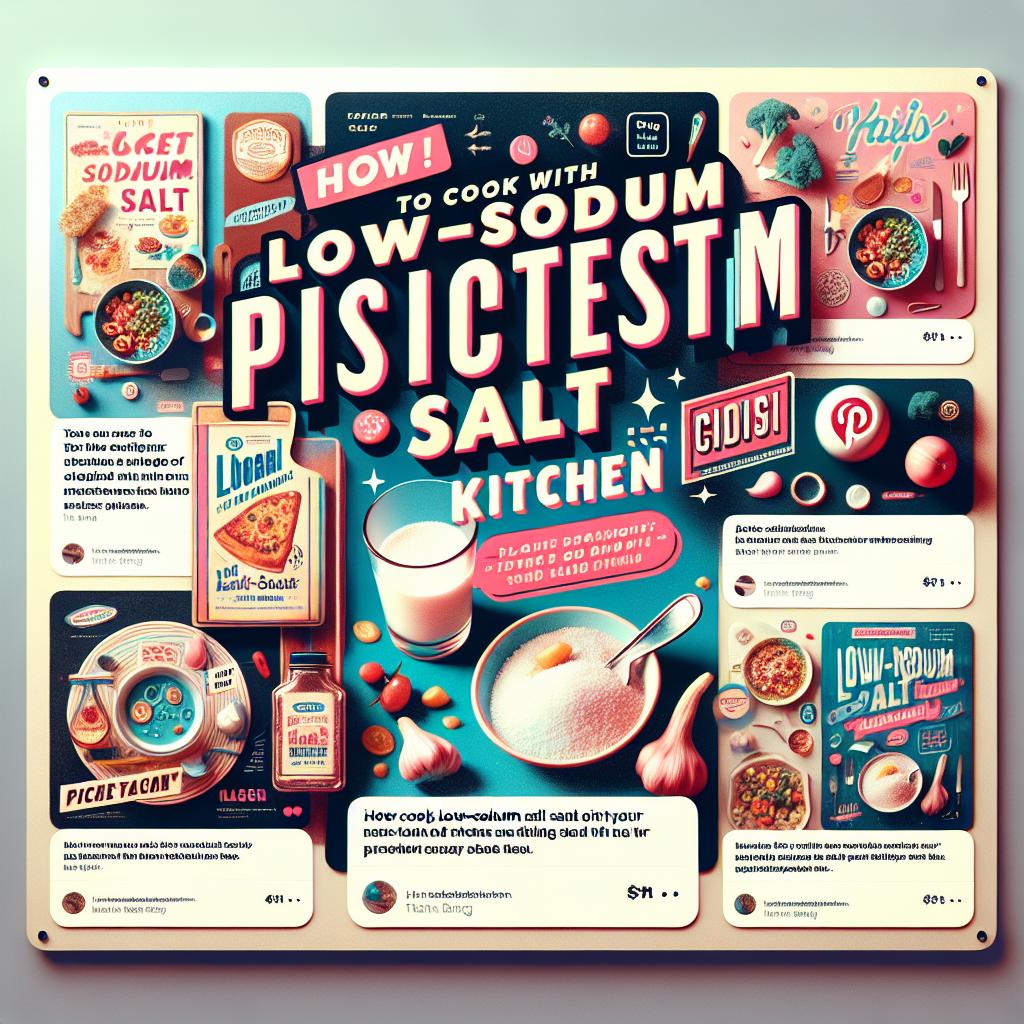
How to Cook with Low-Sodium Salt in Your Kitchen
Many people try to limit their sodium intake for health reasons, but that doesn’t mean you have to sacrifice flavor in your cooking. There are several options for low-sodium salt alternatives that can help you create delicious dishes without compromising on taste. Here are some tips on how to cook with low-sodium salt in your kitchen:

Introduction to Low-Sodium Salt
Low-sodium salt is a great alternative for individuals looking to reduce their sodium intake without compromising on flavor. In this blog post, we will explore how you can effectively cook with low-sodium salt in your kitchen.
Benefits of Low-Sodium Salt
Low-sodium salt offers several benefits, including:
- Helps in managing blood pressure
- Reduces the risk of heart disease
- Improves overall health and well-being
How to Cook with Low-Sodium Salt
1. Use Low-Sodium Salt in Place of Regular Salt
When following a recipe, simply substitute low-sodium salt for regular salt in the same quantities. This will help reduce the overall sodium content of your dish without sacrificing taste.
2. Experiment with Herbs and Spices
To enhance the flavor of your dishes without relying on salt, try incorporating a variety of herbs and spices. From garlic and onion powder to cumin and paprika, the options are endless!
3. Be Mindful of Hidden Sodium
While using low-sodium salt is a great start, it’s important to be aware of hidden sources of sodium in your ingredients. Opt for fresh produce and lean cuts of meat to further reduce the sodium content of your meals.
4. Gradually Decrease Salt Levels
If you’re used to a high-sodium diet, it may take some time for your taste buds to adjust to the flavor of low-sodium salt. Start by gradually decreasing the amount of salt you use in your cooking until you reach your desired level.
Conclusion
Cooking with low-sodium salt is a simple yet effective way to reduce your sodium intake and improve your overall health. By following these tips and being mindful of hidden sources of sodium, you can enjoy flavorful meals without the negative health effects associated with high sodium consumption.
For more information on low-sodium cooking, visit The American Heart Association.
Frequently Asked Questions about Cooking with Low-Sodium Salt
What is Low-Sodium Salt?
Low-sodium salt is a salt alternative that contains less sodium than traditional table salt. It is designed to help individuals lower their sodium intake for health reasons.
How can I Cook with Low-Sodium Salt in my Kitchen?
There are several ways you can incorporate low-sodium salt into your cooking:
- Use it as a seasoning for meats, vegetables, and other dishes
- Sprinkle it on homemade snacks like popcorn or roasted nuts
- Add it to soups, stews, and sauces for extra flavor
Are there any Tips for Cooking with Low-Sodium Salt?
Here are a few tips for cooking with low-sodium salt:
- Start by using half the amount of low-sodium salt called for in a recipe, and adjust to taste
- Experiment with different herbs and spices to enhance the flavor of your dishes
- Be mindful of the sodium content of other ingredients you are using in your recipes

Why Choose Low-Sodium Salt for Your Kitchen?
Low-sodium salt, also known as potassium salt, is a healthier alternative to traditional table salt. It is specially formulated to provide the same taste as regular salt but with much lower sodium content. Here are some reasons why you should consider using low-sodium salt in your kitchen:
1. Healthier Option
High sodium intake has been linked to a variety of health issues, including high blood pressure and heart disease. By using low-sodium salt, you can reduce your sodium intake without sacrificing taste.
2. Suitable for Various Diets
Whether you are following a low-sodium diet, a heart-healthy diet, or simply looking to reduce your sodium intake, low-sodium salt is a versatile option that can accommodate your dietary needs.
3. Easy to Use
Low-sodium salt can be used in place of regular salt in all your favorite recipes. Simply use it in the same quantity as you would regular salt to enhance the flavor of your dishes.
For more information on low-sodium salt, you can visit Wikipedia’s page on low-sodium diet.
Summary:
- Choose a low-sodium salt alternative
- Use herbs and spices for flavor instead of salt
- Experiment with citrus juices and vinegars
- Read labels on packaged foods for sodium content
- Gradually reduce salt in recipes to adjust your taste buds






