





Contents
Welcome to Your Kitchen Garden
Growing Fresh Herbs
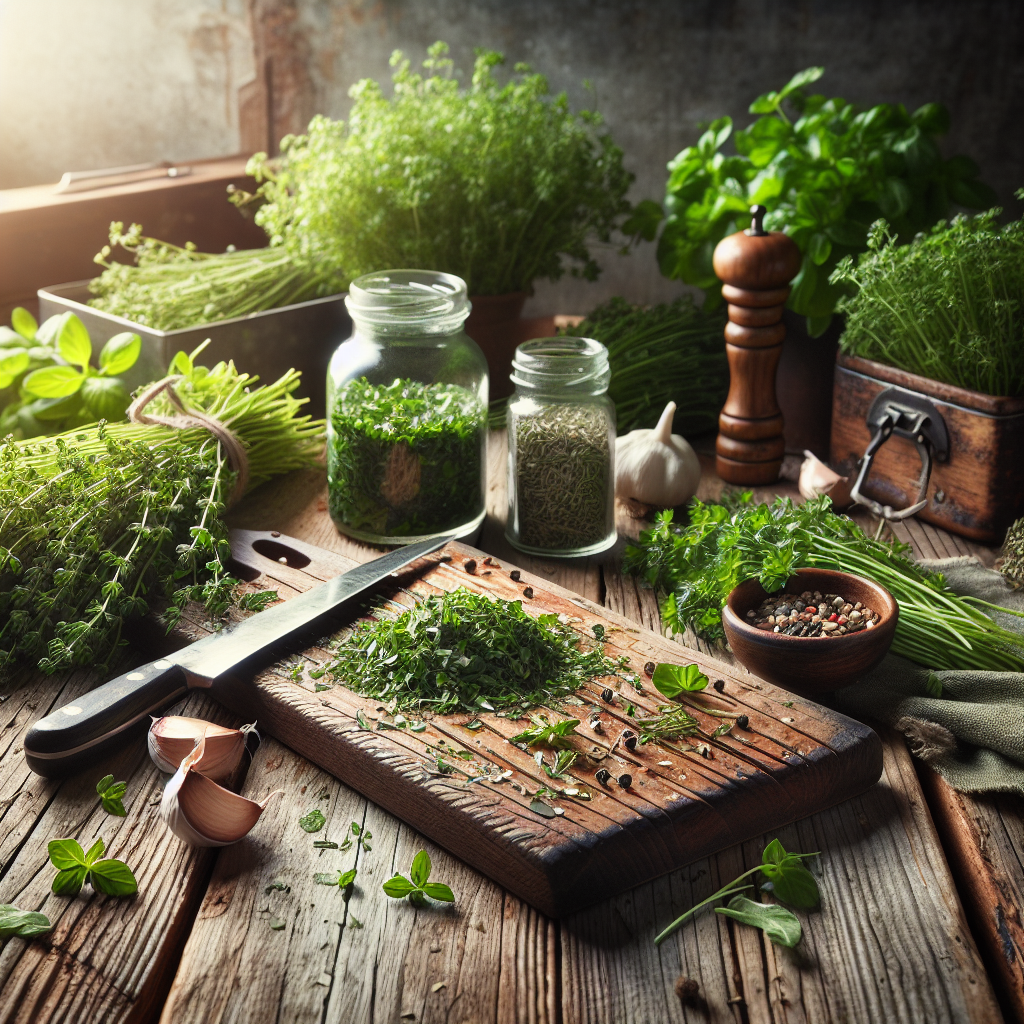
Having fresh herbs at your fingertips can enhance the flavor of your dishes and add a touch of greenery to your kitchen. Here are some tips for growing your own herbs:
- Choose a sunny spot in your garden or on a windowsill for your herb garden.
- Use well-draining soil and pots with drainage holes to prevent waterlogging.
- Water your herbs regularly, but be careful not to overwater them.
- Consider growing herbs like basil, mint, parsley, rosemary, and thyme, which are easy to maintain and versatile in cooking.
- Harvest your herbs regularly to promote new growth and keep them from getting too leggy.
Using Fresh Herbs
Now that you have a thriving herb garden, it’s time to put those fresh herbs to good use. Here are some ways to incorporate them into your cooking:
- Add fresh basil to your pasta dishes or salads for a burst of flavor.
- Infuse olive oil with rosemary and garlic for a delicious dipping sauce or marinade.
- Make a homemade pesto with fresh parsley, basil, or cilantro.
- Add mint leaves to your beverages for a refreshing twist.
- Sprinkle fresh thyme or oregano over roasted vegetables or meats for added taste.
With a little care and creativity, you can enjoy the benefits of having fresh herbs right in your own kitchen. Happy gardening!

How to Grow and Use Fresh Herbs in Your Kitchen Garden
Introduction
Fresh herbs can add a burst of flavor to any dish, and what better way to ensure you always have them on hand than by growing them in your own kitchen garden? In this post, we will explore how to grow and use fresh herbs right at home.
Growing Fresh Herbs
1. Choose a sunny spot: Most herbs thrive in full sun, so select a spot in your kitchen garden that receives at least 6-8 hours of sunlight each day.
2. Select the right containers: If you’re growing herbs indoors, choose pots that have good drainage to prevent waterlogging.
3. Water regularly: Herbs like to be kept consistently moist, so water them regularly, but be careful not to overwater as this can lead to root rot.
4. Harvest regularly: To encourage growth, be sure to snip off leaves or stems regularly. This will also ensure you always have fresh herbs at your disposal.
5. Fertilize sparingly: Herbs do not require a lot of fertilizer, but a light feeding every 4-6 weeks can help promote healthy growth.
Using Fresh Herbs
1. Fresh vs. dried: While dried herbs have their place, fresh herbs generally have a more vibrant flavor. Use fresh herbs in dishes that don’t require much cooking time, such as salads or garnishes.
2. Infuse oils and vinegars: Add fresh herbs to oils or vinegars to create aromatic infusions that can be drizzled over salads or used in cooking.
3. Make herb butter: Mix chopped fresh herbs with softened butter to create a delicious spread for bread or to top grilled meats.
4. Freeze for later: If you have an abundance of fresh herbs, chop them up and freeze them in ice cube trays with a little water or oil for later use.
5. Dry for long-term storage: Hang bundles of herbs upside down in a dark, well-ventilated area to dry them for long-term storage.
Conclusion
Growing and using fresh herbs in your kitchen garden is a rewarding experience that can elevate the flavor of your dishes. By following these simple tips, you can enjoy a constant supply of aromatic herbs right at your fingertips.

Frequently Asked Questions About Growing and Using Fresh Herbs in Your Kitchen Garden
1. What are some easy-to-grow herbs for beginners?
Some easy-to-grow herbs for beginners include basil, mint, parsley, rosemary, and thyme. These herbs are relatively low maintenance and can thrive both indoors and outdoors.
2. How should I care for my herb plants?
To care for your herb plants, make sure they receive adequate sunlight, water, and well-draining soil. Regularly prune your herbs to encourage new growth and prevent overcrowding. Additionally, fertilize your herbs occasionally with a balanced fertilizer.
3. When is the best time to harvest herbs from my garden?
The best time to harvest herbs is in the morning after the dew has dried but before the sun is at its peak. This is when the essential oils in the herbs are most concentrated, giving you the best flavor and aroma.
4. How can I preserve my fresh herbs for later use?
There are several ways to preserve fresh herbs for later use, including drying, freezing, or making herb-infused oils and vinegars. Drying herbs can be done by hanging them in a cool, dry place or using a dehydrator. Freezing herbs can be done by chopping them and storing them in an airtight container in the freezer.
5. How can I use fresh herbs in my cooking?
Fresh herbs can be used to season a wide variety of dishes, including soups, salads, meats, and pasta. Chop the herbs finely and add them towards the end of cooking to preserve their flavor. You can also infuse oils, butter, or vinegar with fresh herbs for added flavor.

The Power of Fresh Herbs
Fresh herbs are a wonderful addition to any kitchen. Not only do they add flavor and aroma to dishes, but they also come with a host of health benefits.
Enhance Flavor
Whether you’re making a pasta dish, salad, or soup, fresh herbs can elevate the taste of your culinary creations. From basil and cilantro to thyme and rosemary, each herb brings a unique and delicious flavor profile to the table.
Boost Nutritional Value
In addition to their taste-enhancing properties, fresh herbs are packed with vitamins, minerals, and antioxidants. For example, parsley is rich in vitamin K, while mint is known for its digestive benefits.
Easy to Grow
You don’t need a green thumb to grow your own fresh herbs. Many herbs, such as basil and oregano, thrive in small pots on a sunny windowsill. Not only will you have a convenient and cost-effective herb garden, but you’ll also have a fresh supply of herbs at your fingertips whenever you need them.
For more information on different types of fresh herbs and their culinary uses, check out this Wikipedia page.
How to Grow and Use Fresh Herbs in Your Kitchen Garden
- Choose a sunny location for your herb garden.
- Start with easy-to-grow herbs like basil, mint, and parsley.
- Water your herbs regularly and avoid over-watering.
- Harvest herbs regularly to encourage new growth.
- Use fresh herbs in cooking, baking, and making infused oils and vinegars.
- Store leftover herbs by drying or freezing for later use.
Category – Pepper, Salt and Herbs







