

Contents
How to Incorporate More White Pepper into Your Diet
White pepper is a spice that is commonly used in many dishes, especially in Asian cuisine. It has a milder flavor than black pepper and is also known for its health benefits. If you’re looking to add more white pepper to your diet, here are some tips to help you do it:
- Use it in stir-fries: White pepper is a great addition to stir-fries, which are a healthy and quick way to get a meal on the table. Add a pinch of white pepper to your stir-fry sauce for added flavor.
- Add it to soups and stews: White pepper can be added to soups and stews for some extra heat. It pairs well with vegetables, chicken, and beef.
- Sprinkle it on eggs: If you’re tired of the same old scrambled eggs, try sprinkling some white pepper on top. It will add a subtle flavor that will make your eggs taste amazing.
- Season your meat: White pepper is a great seasoning for meat. Rub it on chicken or pork before grilling or baking for a simple and delicious meal.
- Use it in sauces: White pepper can be added to sauces, such as marinades or salad dressings, for extra flavor. It pairs well with lemon, garlic, and soy sauce.
By incorporating more white pepper into your diet, you’ll not only be adding flavor to your meals but also reaping the numerous health benefits that it has to offer. So go ahead and give it a try!
Benefits of Using White Pepper
White pepper is a popular seasoning in many cuisines around the world. It is commonly used in Asian and European cooking, particularly in soups, sauces, and marinades. White pepper has a unique flavor that is mild, earthy, and slightly spicy.
Aside from its taste, white pepper is also known for its health benefits. It contains antioxidants that help eliminate free radicals in the body, which can cause cell damage and increase the risk of chronic diseases such as cancer and heart disease. White pepper also has anti-inflammatory properties that make it an effective natural remedy for reducing pain and swelling.
How to Use White Pepper in Cooking
If you’re looking to incorporate more white pepper into your diet, there are many simple ways to do so. Here are some ideas:
1. Use it in soups and stews
White pepper is a great addition to soups and stews, particularly those that are savory and hearty. Simply add a few pinches of white pepper to your recipe for an extra layer of flavor.
2. Sprinkle it on roasted vegetables
If you’re roasting potatoes, carrots, or other root vegetables, try sprinkling a little white pepper on them before roasting. This will add a subtle spicy kick that will enhance the natural sweetness of the vegetables.
3. Use it in marinades
White pepper is great in marinades for meats and tofu. It pairs well with soy sauce, ginger, garlic, and other Asian flavors. Try marinating chicken, pork, or tofu in a mixture of white pepper, soy sauce, and honey for a delicious and healthy meal.
4. Add it to salad dressings
White pepper can add a little zing to salad dressings. Mix it with olive oil, vinegar, and a little honey for a simple and tasty vinaigrette.
5. Use it in sauces
White pepper is a common ingredient in many cream-based sauces, such as Alfredo or béchamel. It adds a subtle spiciness that balances the richness of the sauce.
Where to Buy White Pepper
White pepper can be found at most grocery stores and specialty food stores. Look for it in the spice section. You can also buy it online.
When buying white pepper, choose high-quality brands that are free of additives and preservatives. Look for organic and non-GMO options if possible.
Conclusion
Adding more white pepper to your diet is an easy way to enhance the flavor of your meals while reaping the health benefits of this powerful spice. Try using it in soups, marinades, dressings, and sauces to add a little zing to your dishes. With these simple tips, you’ll be incorporating more white pepper into your diet in no time.
For more information on spices and their health benefits, check out our previous post.
Keywords: white pepper, seasoning, cuisines, Asian, European, soups, sauces, marinades, flavor, mild, earthy, spicy, antioxidants, free radicals, chronic diseases, cancer, heart disease, anti-inflammatory, natural remedy, pain relief, swelling, roasted vegetables, salad dressings, sauces, high-quality, organic, non-GMO.
How to Incorporate More White Pepper into Your Diet
What is White Pepper?
White pepper is a spice that comes from the dried, ripe berries of the pepper plant. It is commonly used in Asian cuisine and is known for its slightly milder and earthier flavor compared to black pepper.
Why Should I Include More White Pepper in My Diet?
Not only does white pepper add delicious flavor to dishes, but it also has a variety of health benefits. It is a great source of antioxidants, which can help prevent damage to your cells and reduce the risk of chronic diseases. Additionally, white pepper is known for its antibacterial and anti-inflammatory properties.
How Can I Incorporate More White Pepper into My Diet?
- Add it to soups and stews for an extra layer of flavor.
- Sprinkle it on roasted vegetables for a delicious and healthy side dish.
- Use it as a seasoning for meat, poultry, and seafood.
- Mix it into sauces and marinades for a unique flavor profile.
Is White Pepper Spicier Than Black Pepper?
Despite being from the same plant, black pepper and white pepper have different flavors and heat levels. White pepper is generally milder than black pepper and has a slightly earthy flavor.
Is White Pepper Available in Different Forms?
Yes, white pepper is available in both whole and ground forms. Whole white pepper is used in dishes that require a longer cooking time, while ground white pepper is best for recipes that require a shorter cooking time.

White Pepper vs Black Pepper
What is White Pepper?
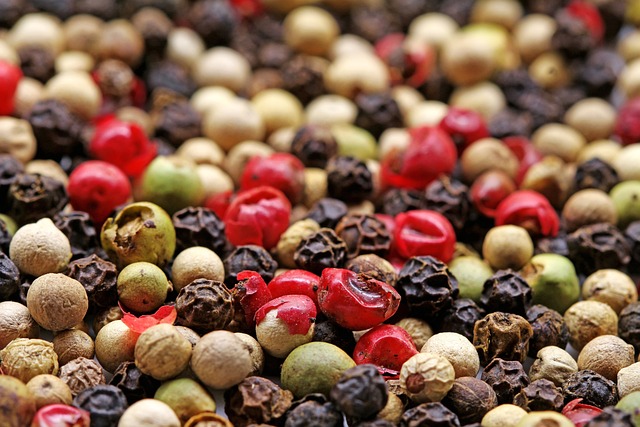
White pepper is a type of pepper that is derived from the Piper nigrum plant, just like black pepper. The difference lies in the process of harvesting and processing. White pepper is made by removing the outer layer, also known as the peppercorn’s fruit, by washing and soaking it in water. After that, it is dried in the sun or through a machine until it turns to a pale color.
What is Black Pepper?
Black pepper, on the other hand, is harvested when the berries are still green and immature. They are then sun-dried, turning the skin black and wrinkled, which results in a strong, pungent flavor.
Benefits of White Pepper
White pepper has several health benefits, such as aiding digestion, improving liver function, and being rich in antioxidants. It is also lower in heat, making it a perfect alternative for people who are allergic to black pepper.
Benefits of Black Pepper
Black pepper has been used for centuries in medicine and cuisine. It is known for its anti-inflammatory properties, providing relief for arthritis and other ailments. Black pepper also aids in digestion.
Which is Better?
Both white and black pepper have their unique flavors and benefits. They can be used interchangeably, depending on a person’s preference and what they are cooking. Some dishes taste better with the warmth and strong flavor of black pepper, while others require the subtlety and gentleness of white pepper.

Why Incorporate More White Pepper into Your Diet
- May improve digestion and gut health
- May boost metabolism and aid in weight loss
- Contains antioxidants and anti-inflammatory properties
- May improve brain function and enhance mood
Ways to Add White Pepper to Your Meals
Incorporate into Seasonings and Sauces:
- Add to homemade spice blends, marinades, and rubs
- Mix with olive oil, vinegar, and herbs for a salad dressing
- Add to tomato-based sauces, soups, and stews
Use as a Finishing Spice:
- Sprinkle over roasted vegetables, meats, or seafood
- Add a dash to scrambled eggs or omelets
- Sprinkle over avocado toast or hummus
Blend with Other Spices:
- Combine with black pepper, cumin, or coriander for a spice mix
- Add to turmeric or curry powder for added flavor