Contents
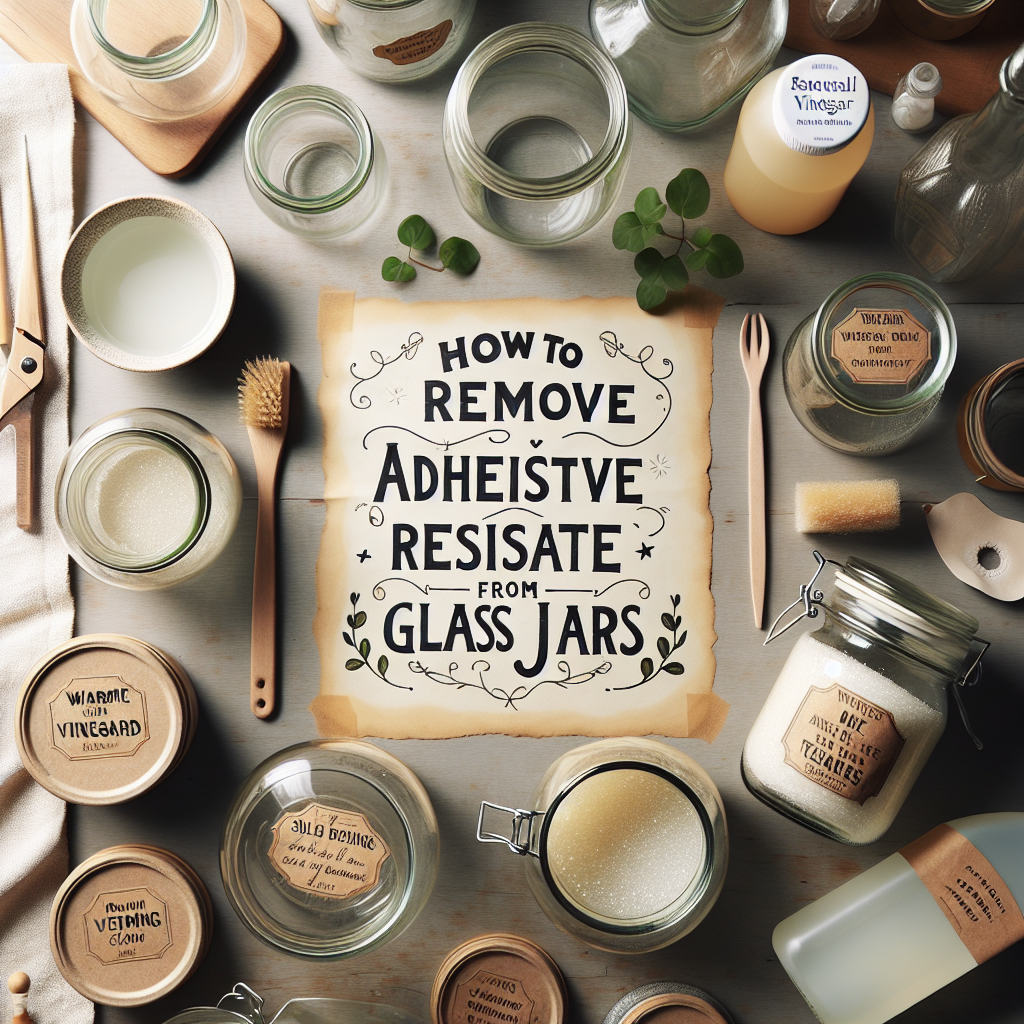
How to Remove Adhesive Residue from Glass Jars
Adhesive residue on glass jars can be stubborn and difficult to remove. Follow these steps to effectively get rid of any sticky residue:
- Start by soaking the glass jar in warm, soapy water for about 10-15 minutes to loosen up the residue.
- Use a soft cloth or sponge to gently scrub the adhesive residue. Avoid using harsh scrubbers or abrasive materials that may scratch the glass.
- If the residue is still stubborn, you can try using a mixture of equal parts vinegar and water. Apply the solution to the residue and let it sit for a few minutes before scrubbing again.
- For particularly tough residue, you can use a mild solvent like rubbing alcohol or nail polish remover. Make sure to test it on a small, inconspicuous area of the jar first to ensure it doesn’t cause damage.
- Once the residue is removed, rinse the glass jar thoroughly with clean water to remove any leftover residue or cleaning solution.
- Dry the glass jar with a clean, lint-free towel to prevent any streaks.
With these steps, you can effectively remove adhesive residue from glass jars and have them looking clean and ready for reuse.
How to Remove Adhesive Residue from Glass Jars
Removing adhesive residue from glass jars can be a frustrating task, but with the right methods and tools, it can be done effectively. Below are some steps you can follow to remove adhesive residue from glass jars:
Materials Needed:
- Warm water
- Dish soap
- Vinegar
- Baking soda
- Cotton balls or cloth
- Rubbing alcohol
Steps to Remove Adhesive Residue:
Step 1: Fill a sink or basin with warm water and add a few drops of dish soap. Place the glass jars in the soapy water and let them soak for a few minutes to loosen the adhesive residue.
Step 2: After soaking, use a cloth or sponge to scrub the adhesive residue off the glass jars. If the residue is stubborn, apply a mixture of equal parts vinegar and water to the affected area and let it sit for a few minutes before scrubbing again.
Step 3: For tougher residue, make a paste using baking soda and water. Apply the paste to the adhesive residue and let it sit for about 10-15 minutes. Scrub the area with a cloth or sponge until the residue comes off.
Step 4: If there are still traces of residue left after scrubbing, soak a cotton ball or cloth in rubbing alcohol and rub it over the affected area. The rubbing alcohol will help break down the remaining adhesive and make it easier to remove.
By following these steps, you can effectively remove adhesive residue from glass jars and have them looking clean and pristine.
For more tips on cleaning glass jars, you can visit The Spruce.

What is Adhesive Residue?
Adhesive residue is the sticky substance left behind when adhesive stickers or labels are removed from glass jars. It can be difficult to remove, but with the right techniques, you can easily clean your glass jars and make them shine like new again.
Methods for Removing Adhesive Residue
There are several methods you can try to remove adhesive residue from glass jars:
- Using oil: Apply a small amount of cooking oil or baby oil to the residue and let it sit for a few minutes. Then, gently scrub the residue with a sponge or cloth until it is removed.
- Vinegar solution: Mix equal parts of white vinegar and water and soak a cloth in the solution. Place the cloth over the adhesive residue for a few minutes, then scrub it off with a sponge or brush.
- Commercial adhesive remover: You can also try using a commercial adhesive remover that is safe for use on glass surfaces. Follow the instructions on the product label for best results.
After removing the adhesive residue, make sure to wash the glass jar with warm, soapy water to remove any oily residue left behind by the cleaning method.
Conclusion
By using these simple methods, you can easily remove adhesive residue from glass jars and have them looking clean and shiny once again.
For more information on adhesive residue, you can visit Wikipedia.

Frequently Asked Questions
How do I remove adhesive residue from glass jars?
To remove adhesive residue from glass jars, you can try the following methods:
Method 1: Using Vinegar
1. Soak a cloth or paper towel in white vinegar.
2. Place the cloth over the adhesive residue on the glass jar.
3. Let it sit for a few minutes to allow the vinegar to loosen the adhesive.
4. Scrub the residue with the soaked cloth or paper towel.
5. Rinse the jar with water to remove any remaining vinegar residue.
Method 2: Using Baking Soda
1. Mix baking soda with a small amount of water to form a paste.
2. Apply the paste to the adhesive residue on the glass jar.
3. Let it sit for a few minutes to allow the baking soda to break down the adhesive.
4. Scrub the residue with a sponge or cloth.
5. Rinse the jar with water to remove any remaining baking soda residue.
Method 3: Using Goo Gone
1. Apply a small amount of Goo Gone (or a similar adhesive remover) to the residue on the glass jar.
2. Let it sit for a few minutes to allow the product to break down the adhesive.
3. Scrub the residue with a sponge or cloth.
4. Rinse the jar with water to remove any remaining residue.

Steps to Remove Adhesive Residue from Glass Jars:
- Use hot, soapy water to soak the glass jar and soften the residue.
- Scrub the adhesive residue with a sponge or scrubbing brush.
- Try using a mixture of equal parts vinegar and water to dissolve the residue.
- If the residue persists, consider using a commercial adhesive remover.
- Rinse the glass jar thoroughly with clean water to remove any remaining residue.
- Dry the glass jar completely before reusing it.