








Contents
Mastering the Art of Flavor with Rock Salt in Your Kitchen
Introduction
Rock salt, a natural mineral that has been used for centuries, is not just a seasoning; it’s an essential tool for enhancing the flavors of your culinary creations. With its unique crystalline structure and rich mineral content, rock salt adds depth and character to a variety of dishes, from savory to sweet. Whether you’re a seasoned chef or an enthusiastic home cook, learning to master the art of flavor with rock salt can elevate your cooking to new heights. This guide will explore the various types of rock salt, its health benefits, and innovative ways to incorporate it into your everyday meals.

Understanding Rock Salt
Rock salt, also known as halite, is a mineral form of sodium chloride (NaCl). It is obtained from the evaporation of seawater and is often unrefined. Unlike table salt, rock salt retains more of its natural minerals, giving it a unique flavor and color.
Types of Rock Salt
There are several varieties of rock salt, including:
- Himalayan Pink Salt
- Hawaiian Black Salt
- Himalayan Black Salt
- Unrefined Sea Salt
Why Use Rock Salt in Cooking?
Incorporating rock salt into your cooking can elevate your dishes in numerous ways:
Enhances Flavor
Rock salt can amplify the natural flavors of the ingredients in your dish, adding depth and aroma.
Texture Contrast
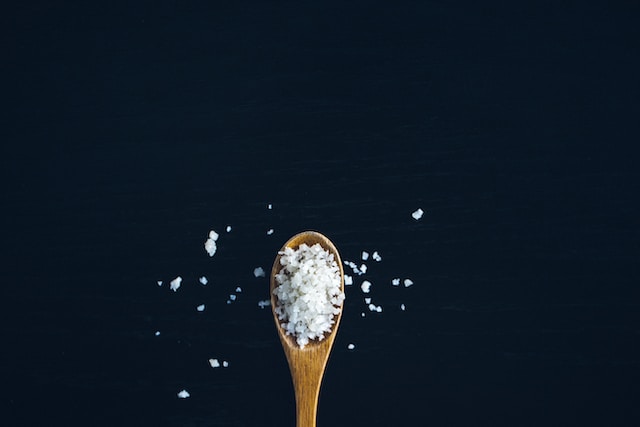
The coarse texture of rock salt can provide a satisfying crunch in dishes, making it an excellent finishing salt.
Healthier Option
Some rock salts claim to contain trace minerals that can be beneficial for health compared to refined salt.
How to Use Rock Salt in Your Kitchen
Cooking Techniques
Here are a few techniques for incorporating rock salt effectively:
- Grilling: Sprinkle rock salt on meats before grilling for enhanced flavor.
- Roasting Vegetables: Toss vegetables with a little rock salt to bring out their sweetness.
- Baking: Use a pinch of rock salt in bread recipes for added flavor.
Finishing Touch
Use rock salt as a finishing touch by sprinkling it over dishes like salads, pasta, or cooked meats just before serving. This will add a burst of flavor and an attractive presentation.
Storage Tips for Rock Salt
To maintain the quality of your rock salt, consider the following storage tips:
- Keep it in a cool, dry place to prevent clumping.
- Store in an airtight container to protect from moisture.
- Label containers to differentiate between various types of rock salt.
Exploring Rock Salt Beyond the Kitchen
Rock salt isn’t just for cooking; it has a range of uses:
Home Remedies
Rock salt can be used in some natural remedy practices. For example, it is often found in health and wellness products.
Decorative Uses
Himalayan salt lamps and decorative salt blocks can add a touch of elegance to any room while offering supposed air purifying benefits.
Conclusion
Mastering the use of rock salt in your kitchen can significantly enhance your cooking experience. By understanding its unique properties and various applications, you can add depth, flavor, and a touch of elegance to your dishes.
FAQs about Mastering the Art of Flavor with Rock Salt in Your Kitchen
What is rock salt and how is it different from regular table salt?
Rock salt, also known as halite, is a natural mineral form of sodium chloride. It differs from table salt in that it has larger crystals and retains more minerals, giving it a distinct flavor and texture.
How can I use rock salt to enhance the flavor of dishes?
Rock salt can be used in various ways, including as a finishing salt to sprinkle on dishes just before serving, in marinades, or even in baking to elevate the taste profile of your foods.
Are there health benefits associated with using rock salt?
Rock salt contains trace minerals that can provide certain health benefits, such as improving hydration and regulating electrolyte balance. However, it should still be used in moderation, like all types of salt.
Can rock salt be used in all types of cooking?
Yes, rock salt can be used in various cooking methods, including grilling, roasting, and baking. However, due to its coarse texture, it may be best suited for dishes that benefit from a crunchy finish.
How should rock salt be stored?
To preserve its flavor and quality, rock salt should be stored in a cool, dry place, ideally in an airtight container to prevent moisture absorption.
Is rock salt suitable for seasoning all types of cuisines?
Absolutely! Rock salt can be used in a wide range of cuisines, from Indian to Mediterranean, and can complement both savory and sweet dishes.

Benefits of Using Rock Salt in the Kitchen
Rock salt, also known as halite, is a versatile ingredient that can enhance your cooking in various ways. This mineral not only adds flavor but also provides unique textures and health benefits.
Enhancing Flavor
Rock salt can drastically improve the taste of your dishes. It has a more intense flavor compared to regular table salt, making it an excellent choice for seasoning meats, vegetables, and even baked goods.
Cooking and Baking
Using rock salt in cooking and baking can help regulate heat distribution. For instance, placing rock salt in a baking dish can create an even cooking surface, which is particularly useful when baking pizzas or bread.
How to Use Rock Salt in Everyday Cooking
Incorporating rock salt into your daily cooking routine is simple. Here are a few tips:
As a Finishing Salt
Sprinkle coarsely ground rock salt over dishes just before serving to add a burst of flavor and crunch. It pairs well with salads, grilled meats, and roasted vegetables.
In Cooking Techniques
Rock salt can be used in various cooking techniques. For example, using it in a salt crust can create a flavorful seal for meats or fish, ensuring they remain juicy and full of flavor.
For more detailed information on rock salt, visit Wikipedia.
Mastering the Art of Flavor with Rock Salt in Your Kitchen
- Understand the unique properties of rock salt and its mineral content.
- Use rock salt to enhance the natural flavors of various ingredients.
- Incorporate rock salt in cooking techniques like grilling and roasting.
- Experiment with different types of rock salt for diverse flavor profiles.
- Learn the correct application methods for seasoning dishes.
- Discover health benefits associated with using rock salt in moderation.
- Explore pairing rock salt with complementary herbs and spices.