


Contents
Preserving the Flavor: Best Practices for Storing Salt in Your Kitchen
Salt is not just a seasoning; it’s a vital ingredient that enhances the flavor of our culinary creations. However, to ensure that salt maintains its quality and flavor, proper storage is essential. In this guide, we will explore the best practices for storing salt in your kitchen, helping you keep this indispensable ingredient fresh and flavorful for all your cooking needs.

Understanding Salt
Types of Salt
Salt is a crucial ingredient in cooking, with various types offering distinct flavors and textures. Major types include:
- Table Salt
- Sea Salt
- Himalayan Pink Salt
- Kosher Salt
- Flavoured Salts
The Importance of Proper Storage
Improper storage can lead to moisture absorption, clumping, and loss of flavor. Understanding how to store salt correctly preserves its quality and extends its shelf life.
Best Practices for Storing Salt
Choose the Right Container
When selecting a storage container, it’s essential to ensure it is:
- Airtight: Prevents moisture entry.
- Opaque: Protects salt from light, which can degrade its quality.
- Easy to Use: Consider containers with wide openings for easy scooping or pouring.
Keep it Dry
Moisture is the primary enemy of salt. Store it in a cool, dry place, away from sources of humidity such as ovens and dishwashers. For added moisture protection, consider using:
- Silica Gel Packets
- Uncooked Rice
Avoid Contamination
Using clean, dry utensils every time you scoop salt ensures that no foreign substances contaminate your salt supply.
Special Storage Tips for Different Types of Salt
Storing Table Salt
Table salt should be stored in a sealed container to prevent clumping. The use of an airtight jar is recommended for optimal freshness.
Storing Sea Salt
Sea salt can be stored similarly to table salt but prefers a container that allows for easy sprinkling.
Storing Himalayan Pink Salt
Best kept in a stainless steel or glass container to maintain its integrity and avoid unnecessary moisture.
Additional Resources
For more in-depth information on salt and its preservation, visit The Spruce Eats.
Conclusion
Proper storage of salt not only preserves its flavor but also enhances your cooking experience. By following these best practices, you can ensure that your salt remains a standout ingredient in your kitchen.
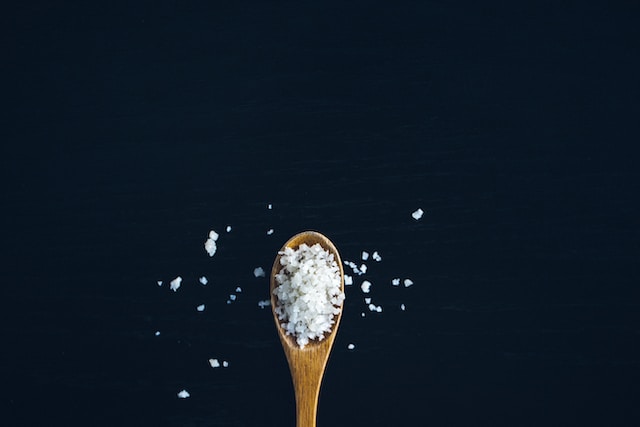
FAQs about Preserving the Flavor: Best Practices for Storing Salt
What is the best way to store salt?
The best way to store salt is in an airtight container, away from moisture and light. Use glass or plastic containers with a tight-sealing lid to keep it dry.
Should salt be kept in the refrigerator?
No, storing salt in the refrigerator is not recommended as it can absorb moisture. Keep it in a cool, dry place at room temperature.
How can I prevent clumping in my salt?
To prevent clumping, add a few grains of rice or a small piece of chalk to the container. These will absorb any moisture and keep your salt free-flowing.
Can I use plastic containers for storing salt?
Yes, plastic containers are acceptable, but make sure they are food-grade and have a good seal to prevent moisture ingress.
What type of salt is best for long-term storage?
Pickling or kosher salt is often recommended for long-term storage due to their lower moisture content. Sea salt can also be stored, but ensure it is kept dry.
Is it necessary to label my salt containers?
Yes, labeling your salt containers can help identify the type of salt and its use, especially if you store multiple varieties.
How can I tell if my salt has gone bad?
Salt doesn’t expire, but if it has absorbed moisture or has an off smell, it is best to replace it to ensure optimal flavor and quality.
This code outlines a structured FAQs section, providing useful information about the best practices for storing salt in the kitchen, using appropriate HTML elements.

Why Proper Storage of Salt is Important
Salt is an essential ingredient in cooking, and its storage can significantly impact its flavor and quality. Proper storage prevents moisture absorption and clumping, which can lead to the loss of flavor.
Ideal Storage Conditions
To maintain the quality of your salt, consider the following storage conditions:
- Store in a cool, dry place away from direct sunlight.
- Use airtight containers to keep moisture out.
- Choose glass or ceramic containers for long-term storage.
Different Types of Salt Storage
There are various ways to store different types of salt:
- Table Salt: Best kept in its original packaging or in a small, sealed container.
- Sea Salt: Use a wide-mouthed jar to allow easy access and prevent clumping.
- Himalayan Pink Salt: Store in an airtight container to retain its mineral properties.
Using Salt Cellars
Salt cellars are traditional containers that not only keep salt dry but also add aesthetic value to your kitchen. Look for a salt cellar with a lid to protect your salt from moisture and contaminants.
For more information on salt, visit Wikipedia’s Salt page.
Preserving the Flavor: Best Practices for Storing Salt in Your Kitchen
- Store in a cool, dry place away from moisture.
- Use airtight containers to prevent clumping.
- Keep away from strong odors to maintain flavor.
- Use glass or plastic containers, avoiding metal for long-term storage.
- Label containers with purchase date and type of salt.
- Avoid storing salt near the stove or sink.







