


Contents
Preventing Rust in Your Stainless Steel Kettle: Tips and Tricks
Stainless steel kettles are durable and long-lasting, but they are not immune to rust. Rust can form when the surface of the kettle is exposed to water, oxygen, and other contaminants. If left unchecked, rust can weaken the stainless steel and compromise the integrity of the kettle. Fortunately, there are several tips and tricks you can use to prevent rust from forming in your stainless steel kettle.
- Clean your kettle regularly: Regular cleaning can help remove any contaminants that may contribute to rust formation. Use a gentle cleaner and a soft cloth to avoid scratching the surface of the kettle.
- Use distilled or filtered water: Hard water can contain minerals that may cause rust to form on the surface of your kettle. Using distilled or filtered water can help prevent this.
- Dry your kettle thoroughly: After cleaning your kettle, be sure to dry it thoroughly. Any moisture left on the surface can contribute to rust formation.
- Store your kettle in a dry place: Moisture is a primary contributor to rust formation, so store your kettle in a dry place to prevent moisture from accumulating on the surface.
- Avoid using steel wool or abrasive cleaners: Scratching the surface of your kettle can create areas where rust can form more easily. Avoid using steel wool or abrasive cleaners that can scratch the surface.
By following these tips and tricks, you can keep your stainless steel kettle looking like new and prevent rust from forming. Regular maintenance and care will help ensure that your kettle continues to perform its best for years to come.
Why Preventing Rust in Your Stainless Steel Kettle is Important
Stainless steel kettles are a popular choice for many households due to their durability, ease of cleaning, and non-reactive nature. However, one common problem that can affect the longevity of stainless steel kettles is rust. Rust is a form of corrosion that can weaken the material and compromise its functionality.
Tip #1: Clean and Dry your Kettle after Every Use
One of the easiest ways to prevent rust from forming on your kettle is to ensure that it is thoroughly cleaned and dried after every use. This will prevent any residue from building up over time and creating a breeding ground for corrosion. Use warm soapy water to clean the inside and outside of the kettle, then rinse with clean water and dry with a soft cloth.
Related Link:
https://www.foodandwine.com/lifestyle/kitchen/how-to-clean-stainless-steel-cookware
Tip #2: Avoid Using Abrasive Cleaners
While it is important to keep your kettle clean, be careful not to use abrasive cleaners that can scratch the surface of the stainless steel. Scratches can create crevices where water and other substances can accumulate, leading to rust formation. Instead, use a soft sponge or cloth with mild dish soap to clean your kettle.
Tip #3: Never Leave Water in Your Kettle for Extended Periods
Another common cause of rust formation in stainless steel kettles is leaving water in the kettle for extended periods. This can occur when you leave water in the kettle overnight or for several days. When water sits for extended periods, it can oxidize and create rust. To prevent rust from forming, always empty your kettle after use and store it in a dry place.
Tip #4: Store Your Kettle Properly
When storing your kettle, ensure that it is completely dry and stored in a dry location. Do not stack your kettle with other metal objects as this can cause scratching and increase the risk of corrosion. Instead, store it separately in a cool, dry location.
Related Link:
https://www.wmstrade.co.uk/blog/how-to-store-a-kettle/
Conclusion
Preventing rust in your stainless steel kettle is essential for maintaining its longevity and functionality. By following these simple tips and tricks, you can extend the lifespan of your kettle and ensure that you always have a reliable and durable appliance in your kitchen.

Preventing Rust in Your Stainless Steel Kettle: Tips and Tricks
-
What causes rust on stainless steel kettles?
Rust on stainless steel kettles is caused by prolonged exposure to moisture, oxygen, and other corrosive elements.
-
What are some tips for preventing rust on stainless steel kettles?
Some tips for preventing rust on stainless steel kettles include:
- Keeping the kettle clean and dry after each use
- Avoiding exposure to acidic or corrosive substances
- Using a non-abrasive cleaner for regular cleaning and maintenance
- Storing the kettle in a dry and well-ventilated area
-
Can rust be removed from a stainless steel kettle?
Yes, rust can be removed from a stainless steel kettle using a variety of methods, including a mixture of baking soda and water, white vinegar, or commercial rust removers. However, prevention is always better than cure.
-
Are there any special care instructions for electric stainless steel kettles?
Yes, electric stainless steel kettles should be unplugged and allowed to cool before cleaning. Only use non-abrasive cleaners on the outside of the kettle and follow the manufacturer’s instructions for descaling the interior of the kettle.
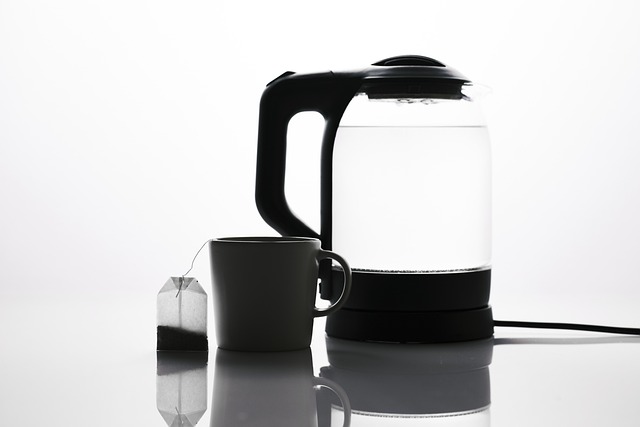
Stainless Steel Kettle – Is it Prone to Rusting?
Stainless steel is known for its non-corrosive and rust-resistant properties. However, over time, even the most durable and high-quality stainless steel can develop rust spots. If you have been wondering “Can stainless steel kettle rust?”, the answer is yes, it can.
Why Do Stainless Steel Kettles Rust?
Stainless steel contains a small amount of iron, which, when exposed to moisture or air, can lead to rust formation. If the surface of the kettle is scratched, chipped, or dented, it can provide a perfect breeding ground for rust. Additionally, some water sources can be high in minerals or contain chemicals that can accelerate rust development.
How to Prevent Rust on a Stainless Steel Kettle?
The good news is that you can prevent rust formation on your stainless steel kettle with a few simple steps.
- Always dry your kettle thoroughly after use.
- Avoid using harsh chemical cleaners or abrasive sponges that can scratch the surface of the kettle.
- Use a descaler solution periodically to remove mineral buildup and prevent rust.
- Store your kettle in a dry place, away from moisture and humidity.
Conclusion
While stainless steel is a durable and long-lasting material, it can still develop rust spots over time. By following the simple preventive measures outlined above, you can keep your stainless steel kettle in top condition and rust-free for years to come.
For more information on stainless steel and its properties, visit the Stainless Steel Wikipedia page.

Preventing Rust in Your Stainless Steel Kettle: Tips and Tricks
-
Clean and Dry Properly
- Wash your kettle thoroughly after every use with warm soapy water.
- Ensure that it is completely dry before storing it.
-
Avoid Strong Chemicals
- Avoid using bleach or other strong chemicals to clean your kettle.
- Use mild cleaning agents and avoid abrasive sponges or scrubbers.
-
Use Vinegar to Remove Scale Buildup
- Vinegar is a natural acidic cleaner that can be used to remove mineral and scale buildup on your kettle.
- Mix equal parts of water and vinegar and soak your kettle for an hour before scrubbing with a soft brush or sponge.
-
Avoid Leaving Water in Your Kettle
- A moisture buildup in your kettle can lead to rusting.
- Empty your kettle after every use and leave it to dry upside down.
-
Store Your Kettle Properly
- Store your kettle in a dry and clean environment, free from humidity and moisture.
- Consider using a protective cover or bag to keep it safe from scratches or dents.