

Contents
What are the best types of salt for seasoning different types of food?
Salt is one of the most important ingredients in cooking. It enhances the flavor of food and brings out its natural taste. However, there are many different types of salt available, each with its own unique flavor and texture. So, what are the best types of salt for seasoning different types of food?
Firstly, table salt is the most common type of salt used in cooking. It is highly refined and has a fine texture. It is best used for general seasoning in recipes, such as in soups, stews, and sauces.
Kosher salt has a coarser texture and is perfect for seasoning meat and poultry. It is also ideal for sprinkling over vegetables and salads.
Sea salt has a slightly different flavor depending on where it is sourced from. French sea salt, for example, has a mild flavor and is good for seasoning fish and vegetables. Hawaiian sea salt has a bolder flavor and is great for seasoning meats and roasts.
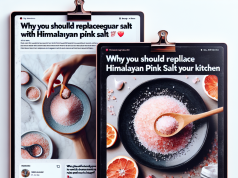
Himalayan pink salt is becoming increasingly popular as an alternative to table salt. It has a unique flavor and is rich in minerals. It is best used as a finishing salt, sprinkled over dishes just before serving.
Overall, the best type of salt for seasoning different types of food depends on the recipe and personal taste preferences. Experimenting with different types of salt can be a great way to enhance the flavor of your favorite dishes.

The Importance of Salt in Cooking
Salt is an essential ingredient in cooking as it eliminates blandness and enhances the flavor of food. It also acts as a preservative, prevents spoilage and adds texture to food. However, not all types of salt are the same, and it is essential to understand which type of salt to use for seasoning different types of food for the best results.
Table Salt
Table salt is the most common type of salt used in cooking. It is highly refined and processed, which means it has been stripped of its natural minerals. Table salt is best used for baking and cooking, but not for seasoning food on the table. It has a fine texture and dissolves quickly, making it ideal for recipes that require a quick dissolving salt.
Sea Salt
Sea salt is harvested from evaporated seawater and has a coarser texture than table salt. It contains more natural minerals, such as magnesium, calcium, and potassium, than table salt, which gives it a slightly different flavor. Sea salt is best used for general cooking, seasoning and is ideal for meat, fish, and vegetables.
Himalayan Pink Salt
Himalayan pink salt is known for its beautiful pink color, which is a result of its high mineral content. It contains minerals such as magnesium, calcium, and potassium, just like sea salt. Himalayan pink salt has a milder flavor and a softer texture compared to sea salt, making it ideal for seasoning food at the table.
Seasoned Salt
Seasoned salt is a combination of salt and various herbs, spices, and sometimes monosodium glutamate (MSG). It is primarily used for seasoning meats, poultry, and fish. Seasoned salt adds depth and flavor to food and is popular in American cuisine, specifically barbecuing.
Kosher Salt
Kosher salt is a coarse salt that is ideal for seasoning food while cooking. Its coarse texture makes it easy to sprinkle evenly over food, and it is perfect for the extraction of moisture from meat, making it crispy on the surface. Kosher salt has a pure salty taste and can also be used to rim cocktail glasses.
Conclusion
Choosing the right type of salt for your recipe can make or break your dish. Each type of salt has its unique qualities and works differently in different types of food. Understanding the characteristics of each salt can help elevate your cooking and bring out the best flavor in your dishes.
References
To learn more about different types of salt, please visit https://www.foodnetwork.com/recipes/articles/guide-to-salt
FAQs: What are the best types of salt for seasoning different types of food?
What is the best type of salt for meat dishes?
For meat dishes, the best type of salt is kosher salt or sea salt. These types of salt have larger granules that adhere well to the surface of the meat, helping to season it evenly. Table salt can also be used, but it may contain additives that could affect the flavor of the meat.
What is the best type of salt for vegetables?
For vegetables, the best type of salt is fine sea salt or table salt. These types of salt dissolve quickly and distribute evenly over the surface of the vegetables. Coarser salts, such as kosher salt, can also be used, but they may not distribute as evenly and can leave the vegetables more exposed to the salt.
What is the best type of salt for pasta or rice dishes?
For pasta or rice dishes, the best type of salt is kosher salt or sea salt. These types of salt have a milder flavor that will not overpower the dish. Table salt can also be used, but be careful not to over-salt the dish, as table salt is denser than kosher salt or sea salt and may require less to achieve the desired flavor.
What is the best type of salt for baking?
For baking, the best type of salt is table salt. Its fine granules dissolve easily and evenly in dough or batter, providing consistent flavor throughout the baked goods. Kosher salt and sea salt can also be used in baking, but they may not dissolve as easily and may leave crunchy bits of salt in the baked goods.

The Benefits of Using Himalayan Pink Salt
Himalayan pink salt has become popular among health-conscious individuals due to its numerous benefits. Unlike regular table salt, this natural alternative is not chemically processed and contains essential minerals that are beneficial to human health. Here are some of the benefits of using Himalayan pink salt:
1. Rich in Essential Minerals
Himalayan pink salt contains over 84 essential minerals that our bodies require for optimal health. These minerals include calcium, magnesium, potassium, and iron, to name a few. Adding this salt to your diet can help replenish your body with the minerals that it requires to function optimally.
2. Helps Regulate Hydration
Himalayan pink salt helps regulate hydration levels in the body by maintaining a proper balance of electrolytes. It is particularly useful for individuals who engage in strenuous exercise or live in hot climates.
3. Supports Respiratory Health
Inhaling steam with Himalayan pink salt can help alleviate respiratory problems such as asthma and allergies. The salt helps break up mucus and improves airflow in the lungs, making it easier to breathe.
If you’re looking to reap the benefits of Himalayan pink salt, make sure to purchase it from a reputable source to ensure its purity. You can also learn more about Himalayan pink salt by visiting the Himalayan salt Wikipedia page.
Types of Salt for Seasoning Different Types of Food
- Table Salt – best for baking and general seasoning
- Sea Salt – best for grilled meats and vegetables
- Kosher Salt – best for brining and seasoning meats
- Himalayan Pink Salt – best for finishing dishes and adding texture
- Flaky Salt – best for garnishing dishes and adding a pop of flavor