


Contents
Rust-Busters: How to Stop Your Stainless Steel Kettle from Rusting
If you own a stainless steel kettle, you may have noticed some rusting develop over time. This can be caused by a number of factors, including exposure to moisture, heat, and certain minerals in water. Not only is rust unsightly, but it can also be harmful to your health if ingested. Fortunately, there are several ways to prevent and remove rust from your stainless steel kettle.
First, try to keep your kettle dry when not in use. Wipe it down thoroughly after each use, and store it in a dry place. If your kettle does develop rust, you can try using a mixture of baking soda and water to remove it. Simply make a paste with the baking soda and water, then rub it onto the rusted areas. Let it sit for a few minutes, then scrub with a sponge or brush. Rinse thoroughly with water.
You can also try using white vinegar to remove rust. Heat up some white vinegar in your kettle, then let it cool and sit for a few hours. Pour out the vinegar and scrub the rusted areas with a sponge or brush. Rinse thoroughly with water.
To prevent rust from forming in the first place, try using filtered or distilled water in your kettle. Avoid using hard water, which has high levels of minerals that can lead to rusting. You can also try adding a small amount of citric acid to the water, which can help prevent rust and other stains from forming.
By following these tips, you can keep your stainless steel kettle looking and functioning like new for years to come.
Rust-Busters: How to Stop Your Stainless Steel Kettle from Rusting
Why Does Rust Form on Stainless Steel Kettles?
Stainless steel is known for its superior corrosion resistance, but it isn’t entirely immune to rust. Rust on stainless steel kettles typically forms due to the presence of iron particles that come into contact with the surface of the kettle. These iron particles can come from a variety of sources, including hard water, metal scrubbers and utensils, and even tap water.
Tips to Prevent Rust on Stainless Steel Kettles
1. Use Soft Sponges or Brushes
Using abrasive scrubbers or brushes on stainless steel kettles can scratch the surface, which creates tiny crevices where iron particles and other debris can accumulate. Over time, this can cause rust to form. Instead, use soft sponges or brushes to clean your kettle.
2. Dry Your Kettle Thoroughly
Water can contribute to the formation of rust on stainless steel kettles, so it’s important to dry your kettle thoroughly after each use. Use a clean, dry cloth to wipe down the surface of the kettle and make sure there is no moisture left behind.
3. Avoid Hard Water
Hard water contains minerals like calcium and magnesium that can leave behind deposits on stainless steel kettles, which can lead to rust formation. If you live in an area with hard water, consider using a water softener to reduce the amount of mineral buildup in your kettle.
4. Use Vinegar
Vinegar is a natural cleaning agent that can help remove deposits from stainless steel kettles. To use vinegar, simply mix equal parts vinegar and water in a kettle, bring the mixture to a boil, and let it sit for a few hours. Then, rinse the kettle with clean water and dry it thoroughly.
5. Store Your Kettle Properly
Storing your stainless steel kettle in a damp or humid environment can increase the likelihood of rust formation. To prevent this, store your kettle in a dry location with good air circulation.
Conclusion
Stainless steel kettles can be a great addition to any kitchen, but they require a bit of care to keep them looking their best. By following the tips above, you can help prevent rust from forming on your kettle and prolong its lifespan.
If you need more information on how to care for your stainless steel kettles, you can check out this article from The Kitchn which provides detailed instructions on how to clean and maintain stainless steel kettles.

Frequently Asked Questions about Rust-Busters: How to Stop Your Stainless Steel Kettle from Rusting
What causes stainless steel kettles to rust?
Stainless steel is not completely immune to rust, especially when exposed to certain conditions over a long period of time. Rust can occur due to exposure to moisture, salt, and chemicals. Even small scratches on the surface of the stainless steel can create areas where rusting can occur.
What are some tips to prevent rusting in stainless steel kettles?
– Clean your kettle regularly, especially after each use. Use a non-abrasive cleaner and a soft sponge or cloth to wipe down the surface.
– Avoid using harsh chemicals and abrasive sponges or scrubbers, as they can damage the surface of the stainless steel and create areas for rust to form.
– Dry your kettle after cleaning, paying special attention to the bottom of the kettle where water can pool and promote rusting.
– Store your kettle in a dry place, away from moisture or humidity.
Can rusting in stainless steel kettles be repaired?
Yes, depending on the severity of the rusting, it may be possible to clean and repair the kettle using a rust remover or stainless steel cleaner. However, prevention is always easier than repair, so it is best to take steps to prevent rusting in the first place.
What are some rust-busting products that can be used to prevent stainless steel kettles from rusting?
There are many products available that claim to prevent rusting in stainless steel kettles, such as specialized cleaners and protectants. However, it is best to choose a product specifically designed for stainless steel and read reviews or consult with a professional before purchasing. Additionally, taking preventative measures such as cleaning and drying your kettle after each use can go a long way in preventing rusting.
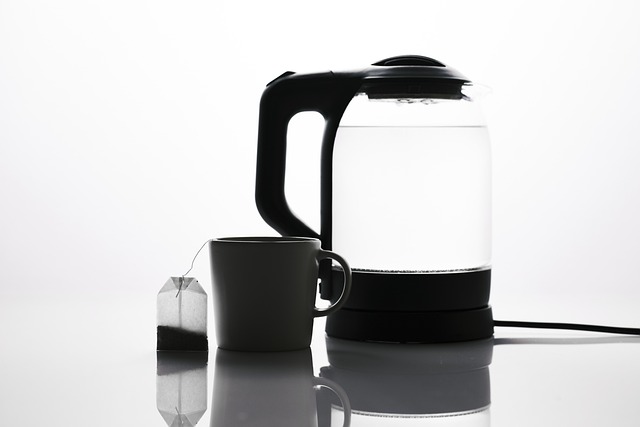
How to Prevent Stainless Steel Kettle from Rusting
Why Does Rust Occur in Stainless Steel?
Although stainless steel is resistance to rust, it is not entirely immune to it. Rust occurs when the protective layer of chromium oxide on the steel surface is damaged, exposing the steel to air and moisture. When this happens, the steel reacts with oxygen and water to form rust.
Tips to Prevent Rust in Stainless Steel Kettle
Preventing rust in a stainless steel kettle is essential to ensure that it lasts for a long time. Here are some tips to prevent rust in a stainless steel kettle:
- Always dry the kettle after each use.
- Avoid using abrasive cleaners and scrubbers on the kettle.
- Remove any hard water stains as soon as possible.
- Do not leave water standing in the kettle for long periods.
- Use a rust remover product specifically designed for stainless steel.
- If rust occurs, use a stainless steel cleaner to remove it as soon as possible.
By following these tips, you can ensure that your stainless steel kettle remains rust-free and lasts for a long time.
Further Reading
If you would like to learn more about stainless steel and its properties, you can visit Wikipedia’s article on stainless steel.

Rust-Busters: How to Stop Your Stainless Steel Kettle from Rusting
Causes of rust on stainless steel kettle
- Exposure to moisture and oxygen
- Harsh cleaning chemicals
- Scratches on the surface
Preventing rust on stainless steel kettle
- Use a soft sponge or cloth to clean instead of abrasive pads
- Rinse with warm water after every use
- Dry thoroughly after cleaning
- Avoid leaving water or any liquid inside the kettle for too long
- Use a stainless steel cleaner specifically designed for kettles
Removing rust on stainless steel kettle
- Mix baking soda and water into a paste and apply to the affected area
- Scrub gently with a soft brush
- Rinse with warm water and dry thoroughly
- For tough rust stains, use a commercial rust remover