


Contents
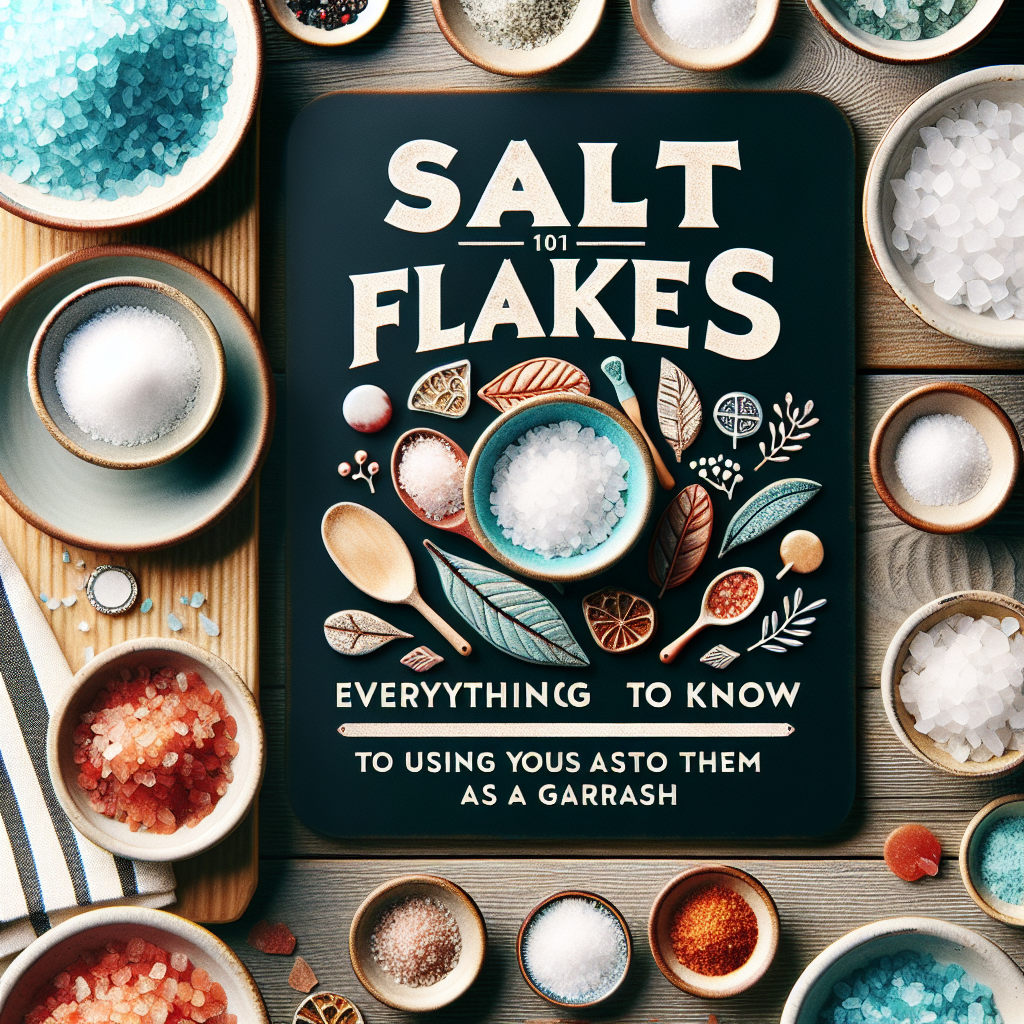
Salt Flakes 101: Everything You Need to Know About Using Them as a Garnish
Salt flakes are more than just a seasoning; they are a culinary garnish that can elevate the presentation and flavor of a dish. This guide dives into the world of salt flakes, exploring their unique characteristics, types, and best uses in both cooking and plating. Whether you’re a professional chef looking to refine your skills or a novice cook wanting to impress your guests, understanding the art of using salt flakes is essential. From the crunch they add to the texture of your dish to the bursts of flavor they provide, discover how to incorporate salt flakes into your culinary repertoire for an enhanced dining experience.

What Are Salt Flakes?
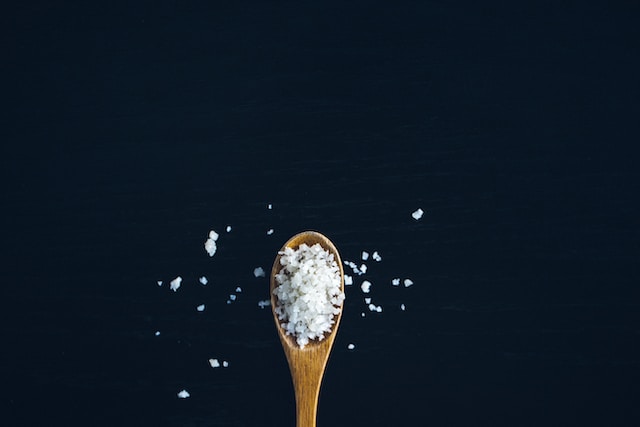
Salt flakes are light, flaky crystals of salt that are created through evaporation. They have a delicate texture and a flavor that enhances dishes without overwhelming them. Their unique shape allows them to dissolve quickly, making them ideal for use as a finishing touch on various foods.
The History of Salt Flakes
The Origins of Flaky Salt
The practice of producing salt flakes dates back centuries, with ancient civilizations like the Romans and Egyptians harvesting salt from evaporated seawater. Today, the methods have evolved, but the essence remains the same.
Types of Salt Flakes
Different Varieties
There are several popular types of salt flakes, including:
- Fleur de Sel: This premium salt is hand-harvested from the surface of seawater evaporation ponds.
- Malden Sea Salt: Known for its light and flaky texture, Malden is often used by chefs globally.
- Himalayan Pink Salt Flakes: These flakes are derived from ancient sea salt deposits and are rich in minerals.
Why Use Salt Flakes as a Garnish?
Enhance Flavor
Salt flakes offer a burst of flavor that can elevate a dish without being overpowering. Their light crunch contrasts beautifully with softer textures.
Visual Appeal
In addition to flavor, salt flakes provide an attractive finish to dishes, making them more visually appealing.
Versatility
From roasted vegetables to desserts, salt flakes can be used across various dishes, making them a versatile ingredient in any kitchen.
How to Use Salt Flakes as a Garnish
Best Practices
When using salt flakes, consider the following tips:
- Use them as a finishing touch just before serving for maximum flavor.
- Sprinkle lightly to avoid overwhelming the dish.
- Pair them with complementary flavors, such as sweet (desserts) or savory (roasted meats).
Popular Dishes for Salt Flakes
Salt flakes can enhance the flavor of:
- Grilled meats
- Roasted vegetables
- Desserts like chocolate or caramel
- Pizzas and flatbreads
Storing Salt Flakes
Keep Them Fresh
To maintain the quality of salt flakes, store them in a cool, dry place in an airtight container. Avoid exposure to moisture, as this can lead to clumping.
Conclusion
Salt flakes are an excellent choice for enhancing flavor and presentation in your culinary creations. Their versatility and unique texture make them a must-have in any kitchen. For more information on different types of salts and their uses, visit Salt Works.
FAQs about Salt Flakes
What are salt flakes?
Salt flakes are light and flaky pieces of salt that are harvested from sea water or salt mines. They are known for their crunchy texture and delicate taste, making them an ideal garnish for various dishes.
How do salt flakes differ from regular salt?
Unlike regular table salt, which is finely ground, salt flakes are larger and have a unique texture. They dissolve more slowly, providing a burst of salty flavor with every bite, making them great for finishing dishes.
How do I use salt flakes as a garnish?
Salt flakes can be sprinkled on top of salads, meats, roasted vegetables, and desserts. They add a finishing touch that enhances flavor and presentation.
Are salt flakes healthier than regular salt?
In moderation, salt flakes can be part of a healthy diet. They contain the same sodium as regular salt, but their texture allows for more controlled seasoning.
Can I substitute salt flakes for regular salt in recipes?
While you can substitute salt flakes for regular salt, be mindful of the texture and distribution. Use larger flakes sparingly during cooking, but feel free to be more generous when garnishing.
Do salt flakes come in different varieties?
Yes, there are various types of salt flakes, including fleur de sel, Maldon, and Himalayan salt flakes. Each has its unique flavor profile and mineral content.
How should I store salt flakes?
Store salt flakes in a cool, dry place in an airtight container. This will help preserve their texture and flavor over time.

The Unique Texture of Salt Flakes
Salt flakes are characterized by their large, flaky structure, which makes them ideal for garnishing. Their unique texture not only enhances the presentation of a dish but also provides a delightful crunch that enhances the overall eating experience.
Why Use Salt Flakes Over Regular Salt?
Unlike regular table salt, which dissolves easily, salt flakes maintain their structure, allowing them to remain a visible topping. This visual appeal can transform a simple dish into an exquisite culinary experience. Moreover, the burst of flavor they provide makes every bite memorable.
Popular Uses of Salt Flakes in Culinary Arts
Salt flakes can be used in a variety of dishes, from finishing meats to enhancing desserts. Their versatility ensures that chefs and home cooks alike can incorporate them into various recipes, adding both flavor and aesthetics.
Finishing Touch for Dishes
Using salt flakes as a finishing touch on grilled meats, roasted vegetables, and baked goods can elevate the dish significantly. The flakes provide a contrasting texture and a balanced taste that complements the main flavors of the dish.
Learn More About Salt
Salt Flakes 101: Everything You Need to Know About Using Them as a Garnish
- What Are Salt Flakes? – Light, flaky crystals of salt, often used for their texture and flavor.
- Types of Salt Flakes – Common types include Maldon, Fleur de Sel, and Himalayan salt flakes.
- Flavor Enhancement – Salt flakes can elevate dishes by adding a burst of flavor and crunch.
- Applications – Ideal for garnishing meats, vegetables, pastries, and desserts.
- How to Use – Sprinkle lightly on finished dishes just before serving for maximum effect.
- Storage Tips – Keep in a cool, dry place to maintain quality and avoid clumping.
- Health Considerations – Use sparingly, as excessive salt intake can lead to health issues.







