Contents
Spice Up Your Asian Dishes with White Pepper: A Beginner’s Guide
Are you tired of using the same old spices in your Asian dishes? Why not try adding some white pepper to elevate the flavors to a whole new level! In this beginner’s guide, we will explore the wonders of white pepper and how you can incorporate it in your cooking.
White pepper is a popular seasoning in many Asian cuisines, known for its unique aroma and pungent taste. It is made from ripe peppercorns that have been soaked, skin removed, and then dried. Unlike black pepper, it has a milder flavor that blends well with various ingredients.
One of the key benefits of white pepper is its ability to add depth and complexity to dishes without overpowering them. Its subtle heat and earthy notes can enhance the taste of soups, stir-fries, marinades, and sauces. Whether you’re preparing a classic Chinese dish or experimenting with Thai flavors, white pepper can be a game-changer.
It’s important to note that white pepper should be used in moderation, especially if you’re not accustomed to its strength. A little goes a long way! Too much white pepper can overpower the dish and leave a lingering spiciness that may overshadow other flavors.
If you’re ready to explore the world of white pepper, this guide has got you covered. We’ll provide tips on how to choose the best quality white pepper, different ways to use it in your dishes, and even some delicious recipes to get you started.
So why wait? It’s time to add some heat and depth to your Asian cooking with white pepper. Get ready to impress your family and friends with your newfound culinary skills!
Spice Up Your Asian Dishes with White Pepper: A Beginner’s Guide
What is White Pepper?
White pepper is a commonly used spice in Asian cuisine that is derived from the dried seed of the pepper plant. Unlike black pepper, white pepper is made from ripe peppercorns with the outer skin removed. This gives it a milder and less pungent flavor compared to its black counterpart.
Benefits of Using White Pepper
White pepper not only adds a unique taste to your dishes but also offers several health benefits. It is known to aid digestion, act as an antioxidant, and possess antibacterial properties. Additionally, white pepper can help to relieve sinus congestion and promote overall respiratory health.
Using White Pepper in Asian Cuisine
White pepper is a staple in many Asian dishes and is particularly popular in Chinese, Thai, and Vietnamese cuisines. It is commonly used in soups, stir-fries, marinades, and sauces. Its mild flavor allows other ingredients to shine while imparting a subtle heat to the dish.
How to Store and Grind White Pepper
To keep your white pepper fresh and flavorful, it’s essential to store it properly. Store it in an airtight container away from heat, moisture, and sunlight. Whole white peppercorns can be ground using a spice grinder or a mortar and pestle, just before use for the best flavor.
Recipes Featuring White Pepper
- Thai Coconut Curry Soup: This delicious soup combines the flavors of lemongrass, coconut milk, and white pepper to create a comforting and aromatic bowl of goodness.
- Chinese Stir-Fried Vegetables: This simple and healthy stir-fry includes a medley of colorful vegetables seasoned with white pepper and soy sauce for a burst of flavors.
- Vietnamese Pho: The soul-soothing Vietnamese noodle soup is enriched with white pepper, along with an array of spices, herbs, and tender meat.
Where to Buy White Pepper
White pepper is commonly available in grocery stores, Asian specialty stores, and online marketplaces. Look for high-quality sources to ensure the best taste and aroma in your dishes.
Conclusion
White pepper is a versatile and flavorful spice that can enhance the taste of your Asian dishes. Its mild heat and distinctive flavor make it an excellent choice for both novice and experienced cooks. Experiment with white pepper in your recipes and discover a new level of depth and complexity in your cooking!
Related Post: Mastering Asian Cuisine: Essential Spices Every Cook Should Have
Frequently Asked Questions
What is white pepper?
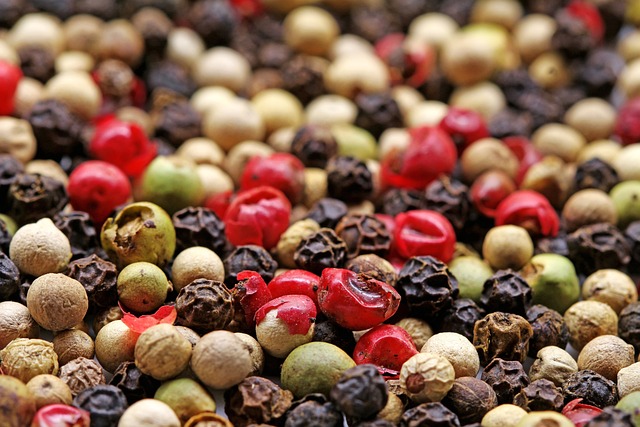
White pepper is a spice made from the dried berries of the Piper nigrum plant. Unlike black pepper which is made from the ripe berries, white pepper is made by removing the outer black layer through a process of soaking, fermentation, and drying.
How is white pepper different from black pepper?
White pepper has a milder and less pungent taste compared to black pepper. It is also less aromatic, with a subtle, earthy flavor. White pepper is commonly used in Asian cuisines to add heat and depth to dishes without overpowering the other flavors.
How can I use white pepper in my Asian dishes?
White pepper can be used in various ways to enhance Asian dishes. Here are a few suggestions:
- Sprinkle a pinch of white pepper on stir-fried vegetables for a subtle kick.
- Add it to marinades or rubs for meats, such as chicken or pork.
- Use it in soups, broths, or sauces to elevate the flavors.
- Combine white pepper with other spices in seasoning blends for a unique taste.
What are the health benefits of white pepper?
White pepper contains the compound piperine, which is known for its antioxidant and anti-inflammatory properties. It may aid digestion, improve nutrient absorption, and promote overall gut health. However, it’s important to consume white pepper in moderation as excessive intake may cause stomach discomfort in some individuals.
Are there any alternatives to white pepper?
If you don’t have white pepper on hand, you can substitute it with black pepper, although keep in mind that the flavor profile will be different. Other alternatives include Sichuan peppercorns, which have a unique numbing and citrusy flavor, or red pepper flakes for a spicier kick.

The Spice that Adds a Kick to Asian Dishes: White Pepper
What is White Pepper?
White pepper, also known as “piper nigrum,” is a popular spice used in Asian cuisines. It is derived from the same plant as black pepper, but with a slightly different preparation process.
The Origins of White Pepper
White pepper originated in Southeast Asia and has been a key ingredient in Asian cooking for centuries. It was first cultivated in India, later spreading to other Asian countries like Indonesia, Vietnam, and China.
Flavor Profile and Culinary Uses
Unlike black pepper, white pepper has a more refined and delicate flavor with less pungency. It adds a subtle heat and peppery taste to dishes without overpowering other ingredients. This makes it a versatile addition to a wide range of Asian recipes, including stir-fries, soups, marinades, and sauces.
White pepper also offers a distinct aroma that enhances the overall dining experience. It carries a slightly earthy and floral scent that can elevate the flavors of both meat and vegetable-based dishes.
Health Benefits
In addition to its culinary uses, white pepper has several health benefits. It is known to aid digestion and help relieve certain respiratory conditions. Some studies suggest that white pepper may also possess antimicrobial and antioxidant properties.
Conclusion
White pepper holds a significant place in Asian cuisine, thanks to its unique flavor profile and versatility. Its ability to add a mild, yet distinctive heat to dishes makes it a beloved ingredient among Asian food enthusiasts.
If you want to learn more about white pepper, its history, and various uses, you can visit this Wikipedia page for in-depth information.

Spice Up Your Asian Dishes with White Pepper: A Beginner’s Guide
Introduction
- White pepper is an essential spice in Asian cuisine.
- Its unique flavor and heat can add depth and complexity to your dishes.
Benefits of Using White Pepper
- Enhances the overall flavor profile of Asian dishes.
- Provides a subtle, peppery taste without overpowering other ingredients.
- Brings a moderate level of heat to dishes, perfect for those who prefer milder spices.
Using White Pepper in Cooking
- Grinding whole white peppercorns releases the flavor and aroma.
- Use it sparingly as a seasoning and adjust according to personal preference.
- Works well in soups, stir-fries, marinades, and sauces.
Pairings with White Pepper
- Ideal with seafood, poultry, and tofu-based dishes.
- Complements vegetables like cabbage, broccoli, and carrots.
- Adds a unique dimension to fried rice and noodle preparations.
Cautions and Storage Tips
- Always buy white pepper from reputable sources to ensure quality.
- Store in an airtight container away from sunlight and moisture.
- Avoid using too much white pepper, as excessive heat can overpower the dish.
- Use within a year for optimal flavor.
Conclusion
- White pepper is a versatile spice that can enhance your Asian dishes.
- Experiment with it to find the perfect balance and enjoy the unique flavors it brings.