Contents
The Benefits of Cooking with Rock Salt: A Comprehensive Guide
Rock salt, also known as Himalayan salt, is a popular choice for cooking due to its unique flavor and numerous health benefits. In this comprehensive guide, we will explore the advantages of using rock salt in your cooking.
Enhanced Flavor
One of the main benefits of cooking with rock salt is the enhanced flavor it provides to your dishes. The mineral-rich composition of rock salt adds a distinct taste that can elevate the overall taste of your food.
Health Benefits
Rock salt is known for its health benefits, as it contains essential minerals like iron, calcium, and magnesium. These minerals can help improve digestion, balance electrolytes, and support overall well-being.
Natural and Unprocessed
Unlike table salt, which is heavily processed and often stripped of its natural minerals, rock salt is in its purest form, making it a healthier choice for cooking. It is free from additives and preservatives, making it a more natural option.
Enhanced Texture
Rock salt has a coarser texture compared to table salt, which can provide a satisfying crunch and texture to your dishes. It can also help bring out the flavors of your ingredients and add a subtle complexity to your meals.
Conclusion
Cooking with rock salt can not only enhance the flavor and texture of your dishes but also provide numerous health benefits. Consider incorporating this natural and unprocessed salt into your cooking routine for a delicious and nutritious experience.

The Benefits of Cooking with Rock Salt: A Comprehensive Guide
Introduction
Rock salt, also known as halite, is a mineral commonly used in cooking for its unique flavor and health benefits. In this comprehensive guide, we will explore the various benefits of cooking with rock salt and how it can enhance your culinary experience.
1. Enhances Flavor
One of the main benefits of cooking with rock salt is its ability to enhance the flavor of your dishes. Unlike regular table salt, rock salt contains trace minerals that contribute to a richer and more complex taste profile. Many chefs prefer using rock salt for seasoning meats, seafood, and vegetables for this reason.
2. Health Benefits
Rock salt is a natural source of essential minerals such as calcium, magnesium, and potassium. These minerals play a crucial role in maintaining overall health and well-being. Cooking with rock salt can help you incorporate these minerals into your diet in a delicious and flavorful way.
3. Versatility in Cooking
Rock salt can be used in a variety of cooking methods, including baking, roasting, grilling, and even curing. Its high heat tolerance makes it an ideal choice for seasoning meats before cooking or adding a finishing touch to desserts. The coarse texture of rock salt also adds a delightful crunch to dishes.
4. Natural Preservation
In addition to its flavor-enhancing properties, rock salt is also known for its natural preservation abilities. It can be used to cure meats, fish, and vegetables, extending their shelf life and enhancing their texture. Rock salt can also be used to create flavored salts by infusing it with herbs, spices, or citrus zest.
5. Eco-Friendly Option
Unlike processed table salt, rock salt is a natural and environmentally friendly option for cooking. It is harvested from salt mines or sea beds without any chemical additives or processing. By choosing rock salt for your culinary needs, you can reduce your carbon footprint and support sustainable practices.
Conclusion
In conclusion, cooking with rock salt offers a multitude of benefits, from enhancing flavor and promoting health to providing versatility in cooking and natural preservation. Consider incorporating rock salt into your culinary repertoire to elevate your dishes and experience the unique benefits it has to offer.
Frequently Asked Questions – The Benefits of Cooking with Rock Salt
What is rock salt?
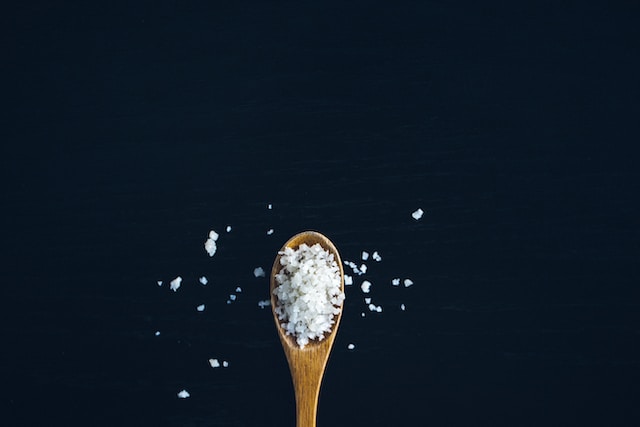
Rock salt is a naturally occurring mineral that is primarily composed of sodium chloride. It is typically harvested from salt mines and is known for its large, chunky crystals.
What are the benefits of cooking with rock salt?
There are several benefits to cooking with rock salt, including:
- Enhanced flavor: Rock salt can add a unique flavor to dishes due to its mineral content.
- Even heat distribution: Rock salt can be used as a natural heat conductor, providing even cooking temperatures.
- Iodine-free: Unlike table salt, rock salt does not contain iodine, making it a healthier option for those with dietary restrictions.
- Naturally anti-bacterial: Rock salt has natural anti-bacterial properties that can help keep food fresh.
- Environmentally friendly: Rock salt is a sustainable and environmentally friendly cooking option.
How should I use rock salt in my cooking?
You can use rock salt in a variety of ways in your cooking, such as:
- Seasoning meats and vegetables.
- Creating a salt crust for baking fish or poultry.
- Using it as a base for grilling or roasting.
- Finishing dishes with a sprinkle of rock salt for added texture and flavor.

What is Rock Salt?
Rock salt, also known as halite, is a type of salt that is extracted from salt mines. It is commonly used in cooking to add flavor to dishes.
Benefits of Using Rock Salt
Rock salt contains trace minerals that are beneficial for your health, such as magnesium, calcium, and potassium. It also has a more natural and pure flavor compared to regular table salt.
Ways to Use Rock Salt in the Kitchen
1. Brining: Rock salt can be used to brine meats like chicken or turkey to tenderize and add flavor.
2. Seasoning: Sprinkle rock salt on vegetables, meats, or fish before cooking to enhance the flavor.
3. Baking: Use rock salt to create a crust for dishes like whole fish or roasted potatoes.
For more information on rock salt, visit Wikipedia
The Benefits of Cooking with Rock Salt: A Comprehensive Guide
- Rich in minerals like calcium and magnesium
- Enhances the natural flavor of ingredients
- Helps in retaining the moisture in food while cooking
- Can be used for seasoning, marinating and preserving
- Does not contain any additives or chemicals