





Contents
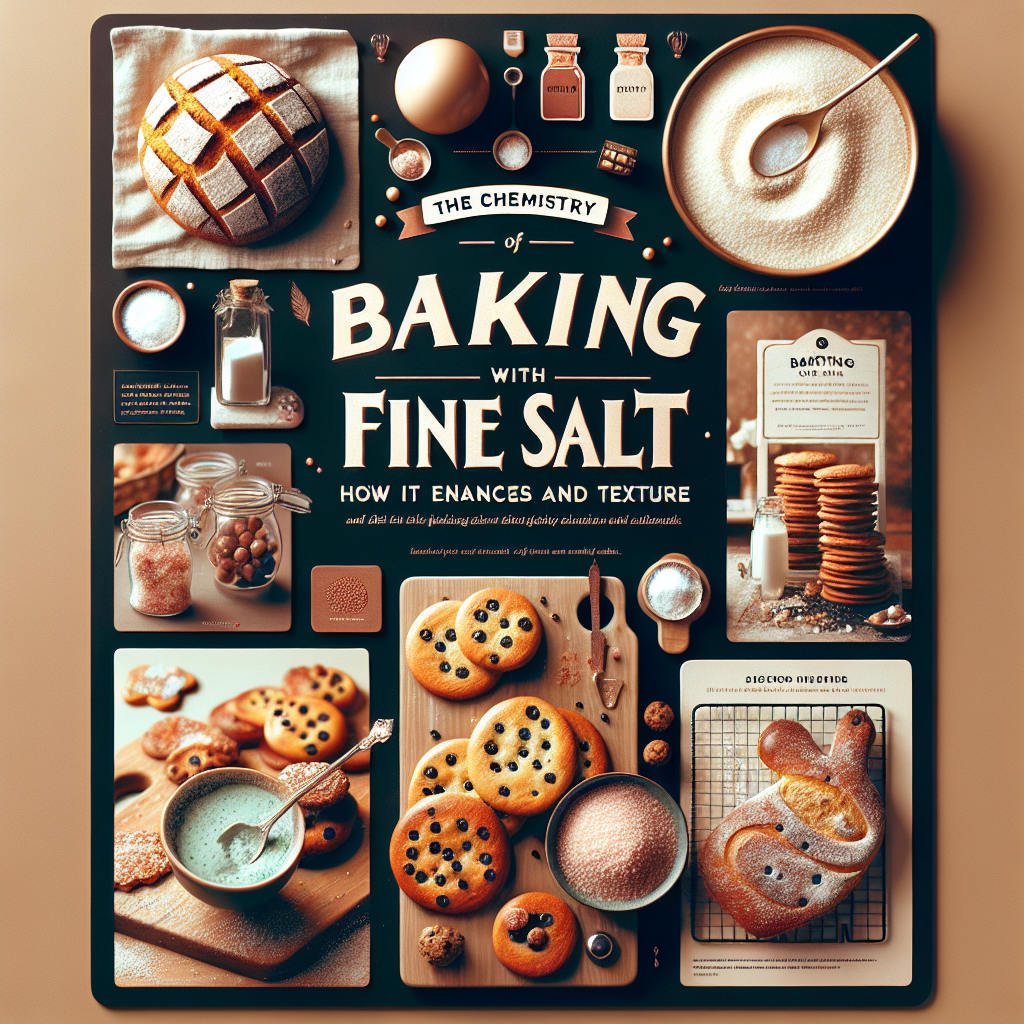
The Chemistry of Baking with Fine Salt: How it Enhances Flavor and Texture
When it comes to baking, salt plays a crucial role in enhancing both the flavor and texture of your baked goods. However, not all salt is created equal, and using fine salt in your baking can make a significant difference.
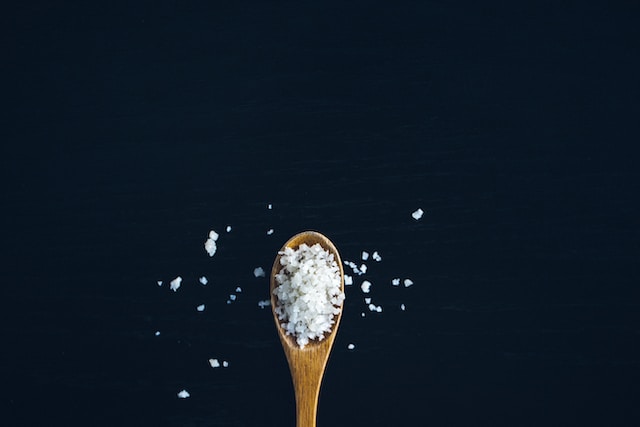
Fine salt, also known as table salt, has smaller and more uniform crystals compared to coarse salt. This means that it dissolves more quickly and evenly in your batter or dough, resulting in a more consistent distribution of salt throughout your baked goods. This can help to enhance the overall flavor by ensuring that every bite has just the right amount of saltiness.
In addition to flavor, the fine texture of fine salt can also help to improve the texture of your baked goods. The smaller crystals integrate more seamlessly into the dough or batter, creating a smoother and more cohesive texture. This can result in baked goods that are lighter, fluffier, and more tender.

The Chemistry of Baking with Fine Salt
When it comes to baking, the type of salt you use can make a big difference in the flavor and texture of your baked goods. Fine salt, also known as table salt, is a popular choice for many bakers due to its small crystal size and ability to dissolve quickly. But what exactly is the chemistry behind baking with fine salt, and how does it enhance the final product?
How Fine Salt Enhances Flavor
Fine salt is made up of small crystals that dissolve easily when mixed with wet ingredients. This means that it distributes evenly throughout the batter or dough, resulting in a more consistent flavor profile in the finished product. In contrast, coarse salt may not dissolve completely and can create pockets of saltiness in the baked goods.
Additionally, fine salt has a more intense flavor compared to coarse salt. This means that you can use less fine salt in your recipes to achieve the same level of saltiness, allowing the other flavors in the dish to shine through.
How Fine Salt Enhances Texture
In baking, salt plays a crucial role in controlling the fermentation process and strengthening gluten formation. Fine salt disperses more evenly throughout the dough or batter, helping to regulate fermentation and create a more uniform crumb structure in baked goods.
Furthermore, fine salt can help to enhance the browning of baked goods by interacting with sugars and proteins in the dough. This Maillard reaction creates complex flavors and aromas, as well as a desirable golden crust on the surface of the baked goods.
Conclusion
Overall, the chemistry of baking with fine salt is an important consideration for achieving optimal flavor and texture in your baked goods. By understanding how fine salt interacts with other ingredients and affects the baking process, you can elevate your baking game and create delicious treats that are sure to impress.
For more information on baking with salt, check out this article from Serious Eats.
Frequently Asked Questions
Why is fine salt recommended for baking?
Fine salt dissolves more easily and evenly in batters and doughs, ensuring a consistent distribution of salt throughout the recipe. This results in a more balanced flavor profile in the final baked goods.
How does fine salt enhance flavor in baking?
Fine salt has smaller granules than coarse salt, allowing it to dissolve quickly and evenly into the ingredients. This helps to enhance the overall flavor of the baked goods by evenly distributing the salty taste.
How does fine salt affect the texture of baked goods?
Fine salt blends more seamlessly into batters and doughs, resulting in a smoother texture in the finished product. It also helps to enhance the overall texture of the baked goods by evenly dispersing the salt throughout the recipe.

The Benefits of Using Fine Salt for Baking
When it comes to baking, the type of salt you use can make a huge difference in the final outcome of your baked goods. Fine salt, also known as table salt, is a popular choice among bakers for its small, uniform crystals that easily dissolve into the batter or dough. Here are some reasons why fine salt is preferred for baking:
1. Even Distribution
One of the main advantages of using fine salt in baking is that it ensures even distribution throughout the batter or dough. This means that every bite of your baked goods will have the perfect amount of salt, resulting in a more balanced and flavorful end product.
2. Quick Dissolving
Because fine salt has smaller crystals than other types of salt, it dissolves more quickly and evenly in the mixture. This is particularly important in recipes where the salt needs to be evenly dispersed throughout the batter or dough.
3. Control Over Saltiness
Using fine salt also gives bakers more control over the level of saltiness in their baked goods. Since fine salt is more easily measured and distributed, it’s easier to adjust the amount of salt in a recipe to achieve the perfect balance of flavors.
If you want to learn more about the different types of salt and their uses in baking, check out this article on salt on Wikipedia.
The Chemistry of Baking with Fine Salt
- Fine salt enhances the flavor of baked goods by evenly distributing salt throughout the batter
- Fine salt dissolves more easily in the batter, leading to a smoother texture
- Fine salt can also help control the fermentation process during baking






