Contents
The Health Benefits of White Pepper: Aspects Relevant to Asian Cuisine
White pepper is a popular spice used in various Asian cuisines. It is derived from the same plant as black pepper but undergoes a different processing method. While both black and white pepper offer health benefits, white pepper offers some unique advantages that are particularly relevant to Asian cuisine.
1. Digestive Aid: White pepper is known for its ability to improve digestion. It stimulates the production of digestive enzymes, which can help break down food more efficiently. In Asian cuisine, where spicy and rich dishes are common, white pepper can aid in digestion and prevent discomfort.
2. Anti-Inflammatory Properties: White pepper contains piperine, a compound with anti-inflammatory effects. Regular consumption of white pepper can help reduce inflammation in the body, which is beneficial for individuals dealing with inflammatory conditions often associated with Asian cuisine ingredients such as ginger and chili peppers.
3. Antioxidant Power: Like black pepper, white pepper is rich in antioxidants that help protect the body against harmful free radicals. These antioxidants can help prevent cell damage and lower the risk of chronic diseases such as heart disease, cancer, and degenerative disorders.
4. Respiratory Support: In traditional Asian medicine, white pepper has been used to alleviate respiratory issues such as coughs, colds, and sinus congestion. Its warming properties can help clear the respiratory tract and promote better breathing.
5. Weight Management: Some studies suggest that the piperine in white pepper may help with weight management. It has been found to interfere with the formation of new fat cells and increase metabolism, potentially aiding in weight loss efforts for individuals following Asian cuisine-based diets.
Incorporating white pepper into your Asian-inspired dishes can not only enhance the flavor but also provide numerous health benefits. So, why not give this versatile spice a try?
The Health Benefits of White Pepper: Aspects Relevant to Asian Cuisine
What is White Pepper?
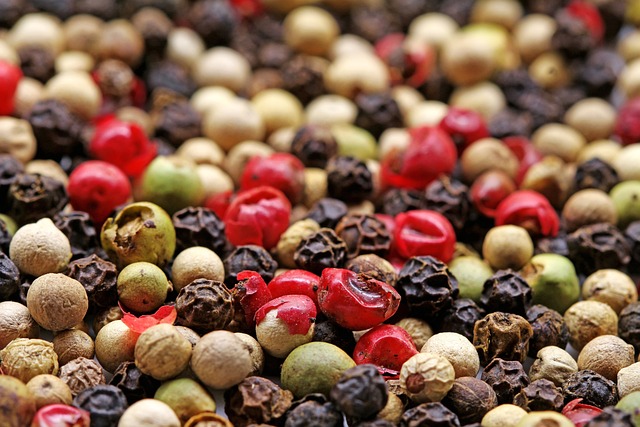
White pepper is a commonly used spice in Asian cuisine. It is made from the fully ripened berries of the Piper nigrum plant, which are then soaked in water and the outer skin is removed, leaving behind the inner white seed.
Health Benefits
1. Improved Digestion
White pepper has been known to stimulate the digestive system, aiding in the secretion of digestive juices and promoting efficient digestion. It can help alleviate issues like bloating, gas, and indigestion.
2. Anti-inflammatory Properties
According to studies, white pepper possesses anti-inflammatory properties that can help reduce inflammation in the body. Regular consumption may offer relief from inflammatory conditions such as arthritis.
3. Antioxidant Power
White pepper is rich in antioxidants, which play a crucial role in protecting the body against harmful free radicals. Antioxidants help combat oxidative stress and may contribute to overall health and well-being.
4. Respiratory Health Support
In traditional Asian medicine, white pepper has been used as a natural remedy for respiratory issues like cold, cough, and congestion. Its warming effect is believed to help clear mucus and open up the airways.
5. Weight Management
Some research suggests that white pepper may aid in weight management. It is believed to enhance the metabolism and promote fat-burning processes in the body, which can be beneficial for those looking to lose weight.
6. Skin Health
White pepper contains certain compounds that may help improve skin health. Its antibacterial properties can contribute to the prevention of acne, while its antioxidant content may help in maintaining a youthful appearance.
7. Cognitive Function
Studies have indicated that the consumption of white pepper may have positive effects on cognitive function and brain health. It is believed to enhance memory, focus, and concentration, making it a valuable spice for mental clarity.
Incorporating White Pepper into Asian Cuisine
White pepper is widely used in various Asian dishes, adding a distinct flavor and aroma. It is commonly used in soups, stir-fries, curries, and marinades. Its pungent and slightly earthy taste can complement a range of ingredients, making it an essential spice in Asian cooking.
If you want to learn more about the usage and recipes using white pepper in Asian cuisine, click here.
Conclusion
White pepper offers not only a unique flavor to Asian dishes but also numerous health benefits. From aiding digestion and promoting respiratory health to providing antioxidant support and improving cognitive function, this versatile spice can be a valuable addition to your diet. Next time you prepare your favorite Asian dish, don’t forget to incorporate a dash of white pepper.
Keywords:
white pepper, Asian cuisine, digestion, anti-inflammatory, antioxidants, respiratory health, weight management, skin health, cognitive function, recipes
Frequently Asked Questions – The Health Benefits of White Pepper: Aspects Relevant to Asian Cuisine
What is white pepper?
White pepper is a spice produced from the ripened fruit of the pepper plant. The outer layer of the fruit is removed, leaving behind the inner seed, which is then dried and ground to obtain white pepper.
What are the health benefits of white pepper?
White pepper contains various compounds that have potential health benefits. Some of the key benefits include:
- Anti-inflammatory properties
- Antioxidant activity
- Improved digestion
- Enhanced nutrient absorption
- Boosted metabolism
- Relief from respiratory conditions
How is white pepper beneficial in Asian cuisine?
In Asian cuisine, white pepper is widely used as a spice to add flavor and heat to dishes. It is particularly popular in Chinese, Thai, and Vietnamese cuisines. Using white pepper in your Asian recipes not only adds a distinct taste but also provides the mentioned health benefits like anti-inflammatory and antioxidant properties.
Can white pepper be used as a substitute for black pepper?
Yes, white pepper can be used as a substitute for black pepper in cooking. However, it has a milder, slightly different flavor profile, so the replacement might alter the taste of the dish.
Is white pepper suitable for individuals with specific dietary restrictions?
White pepper is generally considered safe for consumption. However, individuals with certain dietary restrictions, such as those following a low-sodium or low-potassium diet, should consult with their healthcare provider or nutritionist before including white pepper in their meals.

White Pepper: A Versatile Spice in Asian Cuisine
What is White Pepper?
White pepper is a common spice used in many Asian dishes. It is derived from the same plant as black pepper, but has a slightly different taste and appearance. The outer layer of the peppercorn is removed, leaving only the inner seed, which is then dried and ground into a fine powder.
Flavor Profile and Culinary Uses
Compared to black pepper, white pepper has a milder and more subtle flavor. It adds a unique warmth and spiciness to dishes without overpowering the other ingredients. In Asian cuisine, white pepper is widely used in stir-fries, soups, marinades, and sauces. It is a key ingredient in popular dishes like hot and sour soup, Mapo tofu, and Hainanese chicken rice.
Health Benefits
Apart from its culinary uses, white pepper also offers various health benefits. It is known to have antibacterial properties and may aid in digestion. Additionally, it contains certain compounds that can help boost metabolism and promote weight loss. However, it’s important to consume white pepper in moderation, as excessive intake may lead to certain digestive issues.
Outbound Link
If you’re interested in learning more about white pepper, you can visit its Wikipedia page on White Pepper.

Benefits of White Pepper:
-
Aids in digestion:
White pepper can promote healthy digestion by stimulating the production of digestive enzymes and increasing nutrient absorption.
-
Anti-inflammatory properties:
White pepper contains compounds that have anti-inflammatory effects, potentially reducing inflammation in the body.
-
Boosts metabolism:
Consuming white pepper can help increase metabolism, leading to improved calorie burn and weight management.
-
Rich in antioxidants:
White pepper is a good source of antioxidants that can protect the body against harmful free radicals, supporting overall health.
-
Respiratory health:
White pepper may have respiratory benefits, such as clearing congestion, promoting nasal health, and relieving cough and cold symptoms.
-
Enhances bioavailability of nutrients:
White pepper can enhance the bioavailability of certain nutrients in the body, ensuring better absorption and utilization of essential vitamins and minerals.
-
Traditional remedy:
White pepper has been used in traditional Asian medicine for centuries due to its potential health benefits and therapeutic properties.