





Contents
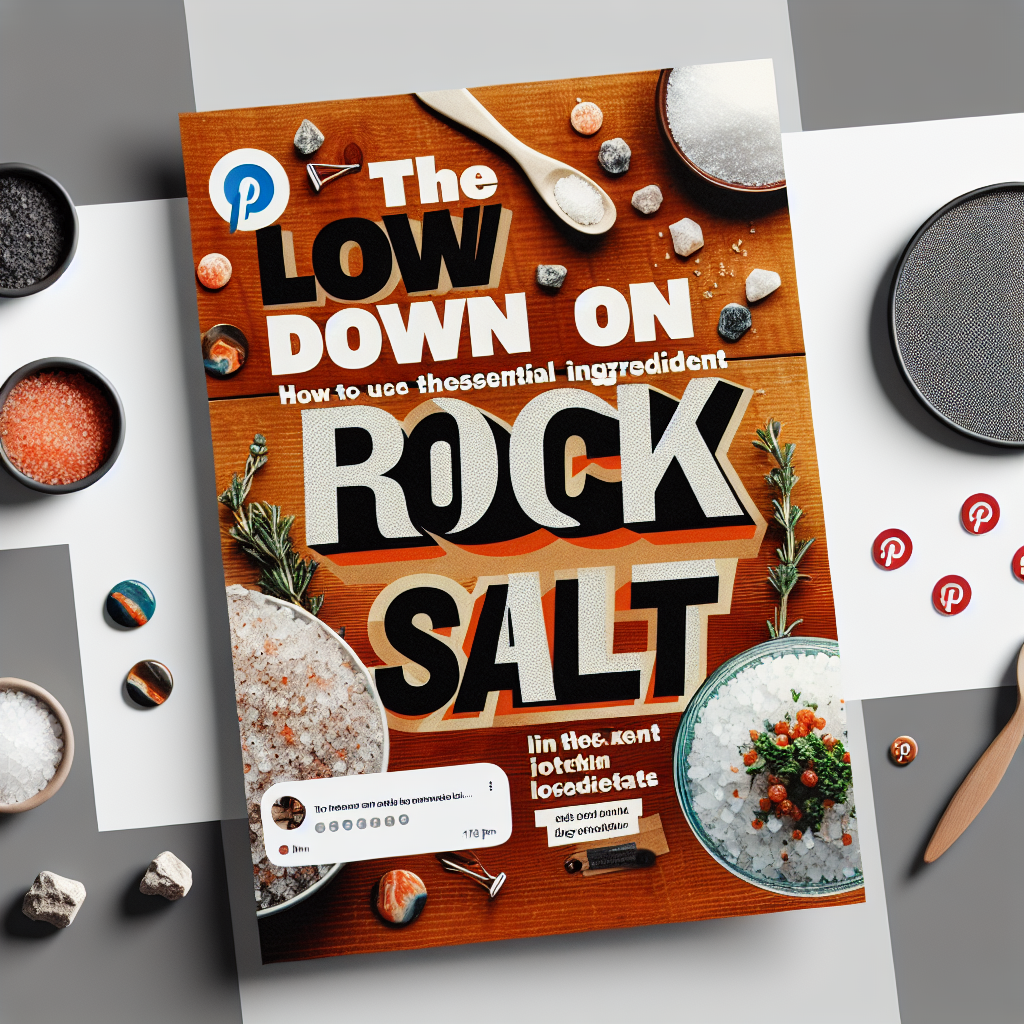
The Lowdown on Rock Salt: How to Use This Essential Ingredient in Your Kitchen
Introduction
Rock salt, known for its coarse texture and unique mineral content, is a staple in kitchens around the world. Beyond its traditional use in cooking, it offers a range of flavors and enhancements that can elevate your dishes. In this guide, we will explore the various applications of rock salt, its benefits, and tips on how to incorporate it into your culinary repertoire. Whether you’re grilling, baking, or seasoning, this essential ingredient can add a delightful twist to your meals.

What is Rock Salt?
Rock salt, also known as halite, is a naturally occurring mineral form of sodium chloride. It’s harvested from underground salt deposits and is known for its coarse texture and distinct flavor. Unlike regular table salt, rock salt is less processed and retains more minerals, making it a popular choice among culinary enthusiasts.
Types of Rock Salt
1. Himalayan Pink Salt
Himalayan pink salt is one of the most popular types of rock salt, celebrated for its striking color and rich mineral content. It’s often used in cooking, as well as in salt lamps and spa treatments.
2. Black Salt
Black salt, or Kala Namak, is rich in minerals and has a unique flavor profile. Its distinct taste adds depth to various dishes and is often used in Indian cuisine.
3. Fleur de Sel
Fleur de Sel is a gourmet sea salt harvested from the surface of sea salt ponds. While not technically rock salt, it’s often included in discussions about salt due to its unique textures and flavors.
Cooking with Rock Salt
Choosing the Right Rock Salt
When selecting rock salt for cooking, opt for high-quality sources. Brands like Himalayan Pink Salt offer crystal clear sourcing and superior taste.
Using Rock Salt in Everyday Cooking
Rock salt can be used in many ways, including:
- As a seasoning for meats and vegetables
- For brining purposes to enhance flavor
- In the preparation of salted dishes like fish or pork
Presenting and Storing Rock Salt
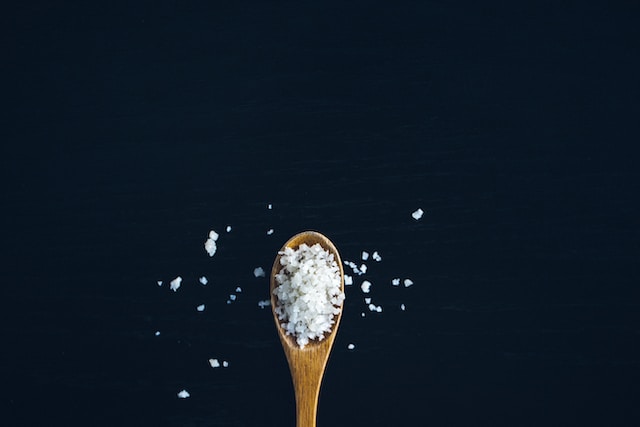
It’s best to store rock salt in a cool, dry place in an airtight container. To enhance presentation, consider using a salt grinder or bowl to showcase the texture and color of your rock salt.
Health Benefits of Rock Salt
In addition to its culinary uses, rock salt has potential health benefits, including:
- Enhancing digestion
- Regulating blood pressure
- Providing essential minerals
Final Thoughts
Incorporating rock salt into your kitchen can enhance the flavors of your dishes while also offering unique health benefits. Experiment with different types of rock salt to discover your favorites and elevate your cooking.
Sure! Here’s a simple HTML structure for a FAQs section about “The Lowdown on Rock Salt: How to Use This Essential Ingredient in Your Kitchen.”
FAQs About Rock Salt
What is rock salt?
Rock salt, also known as halite, is a mineral form of sodium chloride. It is typically harvested by mining underground salt deposits and is used in cooking, curing, and preserving food.
How do I use rock salt in cooking?
Rock salt can be used as a seasoning for various dishes, including meats, vegetables, and even baked goods. It can be coarsely ground or used in its natural crystal form for added texture.
Is rock salt different from table salt?
Yes, rock salt is less refined than table salt and often contains trace minerals that give it a unique flavor and color. It usually has larger crystals compared to the fine granules of table salt.
Can I use rock salt as a finishing salt?
Absolutely! Due to its coarse texture, rock salt makes an excellent finishing salt. Sprinkle it on dishes just before serving to enhance flavor and add a delightful crunch.
Are there any health benefits to using rock salt?
Rock salt may contain trace minerals and elements that are beneficial in small amounts. However, like all salts, it should be consumed in moderation.
Can I use rock salt in baking?
Yes, rock salt can be used in baking, but make sure to grind it down to a finer consistency to ensure it dissolves evenly in the dough or batter.
You can style this section with CSS as needed to make it visually appealing on your website.

Exploring Different Types of Salt for the Kitchen
Table Salt
Table salt is the most common type of salt used in households. It is finely granulated and often iodized, which means it has added iodine to prevent deficiencies. Its neutral flavor and easy availability make it a popular choice for various cooking and baking needs.
Sea Salt
Sea salt is harvested from evaporated seawater. It retains trace minerals that can add subtle flavors, making it a favorite among chefs. Sea salt comes in various grain sizes, from fine to coarse, and is excellent for finishing dishes.
Himalayan Pink Salt
Himalayan pink salt is a rock salt that comes from ancient ocean deposits in the Himalayan mountains. Known for its distinctive pink color, it contains trace minerals and is often used for both cooking and decorative purposes. Some believe it offers health benefits due to its mineral content.
Kosher Salt
Kosher salt is known for its larger grain size, which makes it easy to pinch and sprinkle over food. It is commonly used in the koshering process of meats and is a favorite among chefs for seasoning due to its clean taste and texture.
Fleur de Sel
Fleur de sel is a premium sea salt from coastal regions, especially in France. It is hand-harvested and known for its delicate, flaky texture and rich flavor. This type of salt is ideal for finishing dishes and enhancing the overall taste.
For more information on the different types of salt, visit Wikipedia.
The Lowdown on Rock Salt: How to Use This Essential Ingredient in Your Kitchen
- What is Rock Salt? – Coarse salt that is less processed than table salt, retaining minerals.
- Cooking Uses:
- Enhances flavor in dishes.
- Great for finishing touches on meats and vegetables.
- Storage Tips: Keep in an airtight container to prevent moisture absorption.
- Health Benefits: Contains trace minerals; lower sodium content compared to table salt.
- Uses Beyond Cooking: Can be used in brines, marinades, and even in salt crusts.







