

Contents
The Role of Black Peppercorn in Global Cuisine
Black peppercorn, also known as black pepper, is a versatile spice that plays a significant role in global cuisine. It is widely used and prized for its distinctive flavor, aroma, and medicinal properties.
In many culinary traditions, black pepper is considered a staple spice, enhancing the taste of various dishes. It adds a rich spiciness and a hint of heat to both savory and sweet recipes. Its pungent and earthy flavor complements a wide range of ingredients, making it a popular choice in cuisines around the world.
Black pepper is often used as a seasoning in marinades, rubs, and dressings for meats, vegetables, and salads. Its presence can transform a dish from ordinary to extraordinary, providing a delightful sensory experience.
Aside from its culinary uses, black peppercorn also boasts several health benefits. It contains a compound called piperine, which has been found to have antioxidant, anti-inflammatory, and digestion-improving properties. In ancient Ayurvedic medicine, black pepper was often used to promote digestion and treat various ailments.
As an essential spice in many cuisines, black peppercorn has shaped the global culinary landscape. Its demand and influence have made it a valuable commodity in international trade throughout history.
In conclusion, black peppercorn plays a pivotal role in global cuisine. Its unique flavor profile, culinary versatility, and health benefits make it a must-have ingredient in both traditional and modern dishes. So, next time you reach for the pepper grinder, remember the remarkable impact that black peppercorn has had on our taste buds and the world of food.
The Role of Black Peppercorn in Global Cuisine
Background
Black peppercorn, derived from the Piper nigrum plant, is one of the most widely used spices in the culinary world. With its distinct aroma and versatile flavor profile, it has become a staple ingredient in global cuisine. Let’s explore the diverse role that black peppercorn plays in various culinary traditions around the world.
1. Historical Significance
Black peppercorn holds a significant place in human history. Dating back to ancient times, it was highly valued as a trade commodity and often referred to as “black gold.” Ancient Egyptian tombs were even found with black peppercorns as part of the burial rituals, emphasizing its importance.
2. Flavor Enhancer
Black peppercorn’s primary role in global cuisine is to enhance and elevate the flavors of dishes. Whether used in marinades, rubs, or as a finishing touch in various recipes, it adds a sharp, pungent, and slightly spicy taste that awakens the palate. Its intense flavors capture the essence of various cuisines.
3. Essential Spice in Indian Cuisine
In Indian cuisine, black peppercorn is a ubiquitous spice that adds depth and heat to countless dishes. It is a cornerstone in traditional spice blends like garam masala, providing a warm and aromatic sensation. Black peppercorn is also used in Ayurvedic medicine for its healing properties.
4. Mediterranean Marvel
Across Mediterranean cuisine, black peppercorn is a vital ingredient. From Italian pasta dishes to Greek moussaka, this spice adds a zesty kick. It pairs exceptionally well with other Mediterranean staples like olive oil, garlic, and fresh herbs, enhancing the overall balance and complexity of flavors.
5. Versatility in Asian Cuisines
Black peppercorn holds a special place in various Asian cuisines. In Chinese dishes, it is an indispensable component in savory sauces, stir-fries, and soups. In Thai cuisine, black peppercorn is used to add a fiery punch to dishes like Pad Thai and green curry. Its presence is also felt in Vietnamese and Indonesian cooking.
6. Health Benefits
Beyond its flavor-enhancing properties, black peppercorn offers numerous health benefits. It contains antioxidants, aids digestion, promotes gut health, and has anti-inflammatory properties. Incorporating black peppercorn into your meals can contribute to overall well-being.
Conclusion
Black peppercorn’s widespread use across global cuisine highlights its importance in creating diverse and flavorful dishes. Whether sprinkled over a salad, infused into a sauce, or incorporated into spice blends, this spice plays a vital role in enhancing the taste and aroma of countless recipes. Embrace the power of black peppercorn in your cooking and explore the multitude of possibilities it offers!
Related Post:
To learn more about the fascinating world of spices, check out our comprehensive guide to popular spices.
Frequently Asked Questions
1. What is the role of black peppercorn in global cuisine?
Black peppercorn is an essential ingredient in various global cuisines. It is widely used as a spice and seasoning due to its distinct flavor and aroma. It adds a sharp, slightly spicy, and earthy taste to a wide range of dishes.
2. How is black peppercorn used in cooking?
Black peppercorns are often ground into a fine powder and used as a seasoning for meats, vegetables, soups, and sauces. They are also used in pickling, marinades, and salad dressings. In some cuisines, whole peppercorns are utilized for flavoring and are later removed before serving.
3. Can black peppercorn be substituted with other spices?
While black peppercorn has a unique flavor, there are alternatives that can be used as a substitute. White peppercorn, which is milder, can be used in its place. Additionally, red pepper flakes or cayenne pepper can provide a similar level of spiciness in dishes if black peppercorn is not available.
4. Are there any health benefits associated with black peppercorn?
Black peppercorn is believed to have several health benefits. It is rich in antioxidants and may help improve digestion, stimulate appetite, and enhance nutrient absorption. Additionally, some studies suggest that it may have anti-inflammatory and antibacterial properties.
5. How should black peppercorn be stored?
It is recommended to store black peppercorns in an airtight container, away from direct sunlight, heat, and moisture. This helps to maintain their flavor and integrity for a longer period. Whole peppercorns generally have a longer shelf life compared to ground peppercorns.

About Black Peppercorn
What is Black Peppercorn?
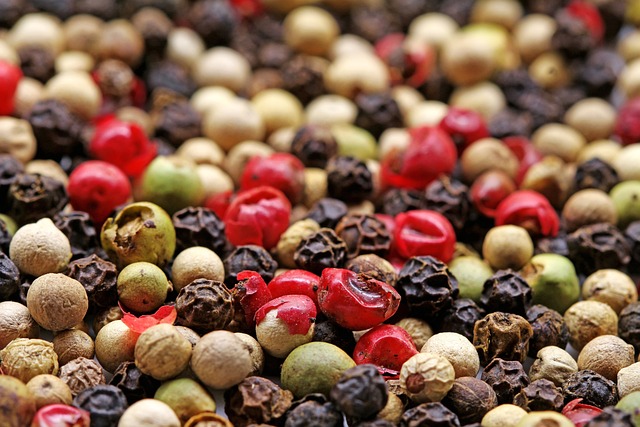
Black peppercorn is a widely used spice derived from the dried berries of the Piper nigrum plant, native to tropical regions of South Asia. These small, round berries are harvested when they are still green, and then left to sun-dry until they turn black and wrinkled.
Flavor and Culinary Uses
Black peppercorn is renowned for its strong and pungent flavor. It adds a distinct and spicy kick to a wide range of dishes and cuisines worldwide. From savory to sweet, black peppercorn finds its way into soups, stews, marinades, sauces, and even desserts.
Health Benefits
Aside from its flavor-enhancing properties, black peppercorn also offers several health benefits. It is a rich source of antioxidants and may help improve digestion. Additionally, some studies suggest that it may have anti-inflammatory and antibacterial properties.
Availability and Varieties
Black peppercorn is widely available in whole or ground form, making it convenient for culinary use. It can be found in nearly every grocery store and spice shop. Varieties such as Tellicherry, Malabar, and Sarawak offer subtle flavor differences due to variations in growing conditions.
If you want to learn more about black peppercorn, you can visit the Black Pepper page on Wikipedia.

The Role of Black Peppercorn in Global Cuisine
Introduction
- Black peppercorn is a widely used spice in global cuisine.
- It has been a staple ingredient for thousands of years.
Historical Significance
- Black peppercorn was highly valued during ancient times.
- It played a crucial role in trade routes and exploration.
Flavor Enhancer
- Black peppercorn adds a distinctive, pungent flavor to dishes.
- It enhances the taste of various cuisines worldwide.
Health Benefits
- Black peppercorn contains beneficial compounds and antioxidants.
- It may aid digestion, improve respiratory health, and much more.
Versatile Ingredient
- Black peppercorn is used in both savory and sweet dishes.
- It is frequently included in spice blends and marinades.
Cultural Significance
- Black peppercorn holds cultural significance in many regions.
- It is often associated with traditional ceremonies and rituals.
Global Usage
- Black peppercorn is used in cuisines worldwide, from Asian to European.
- It is an essential ingredient in classic dishes around the globe.
Conclusion
- Black peppercorn plays an integral role in shaping global cuisine.
- Its unique flavor and versatility make it a beloved spice worldwide.