Contents
The Science Behind the Aroma of Black Pepper
Black pepper is a staple spice used in many cuisines worldwide. The aromatic scent of black pepper is often described as warm, pungent, and spicy. But have you ever wondered what gives black pepper its distinct aroma? Let’s dive into the science behind it.
The main compound that gives black pepper its aroma is called piperine. Piperine is a naturally occurring organic compound found in the fruits of the Piper nigrum plant. Piperine is responsible for the distinct spicy and pungent aroma of black pepper.
Apart from piperine, black pepper also contains a variety of other essential oils and compounds that contribute to its aroma. These include beta-caryophyllene, limonene, pinene, myrcene, and many others.
When you grind or crush black pepper, the essential oils and compounds are released, giving it a more potent aroma. The aroma of black pepper is also affected by the type of pepper, the soil, and climate conditions it’s grown in.
In conclusion, the unique aroma of black pepper is due to the presence of piperine and other essential oils and compounds. It’s the combination of these compounds that makes black pepper a popular and essential ingredient in many dishes.
The Science Behind the Aroma of Black Pepper
What is Black Pepper?
Black pepper (Piper nigrum) is a spice that is widely used in cuisines all over the world. It is native to South India and is now grown in many tropical regions, especially in Southeast Asia. Black pepper is made by drying the fruit of the pepper plant, which is actually a small drupe, and then grinding it into a powder. The distinctive aroma of black pepper is an important factor in its popularity as a spice.
The Chemical Components of Black Pepper
The aroma of black pepper is the result of a complex interplay of chemical compounds. One of the key components is piperine, which is responsible for the pungent taste of black pepper. Piperine is also responsible for some of the aroma of black pepper, but it is not the only compound involved.
Other important components of black pepper aroma include:
- Terpenes
- Sesquiterpenes
- Aldehydes
- Alcohols
These compounds contribute to the overall complexity of black pepper aroma. For example, terpenes are responsible for the woody and citrus notes in black pepper, while aldehydes add a floral aspect. Sesquiterpenes contribute to the earthy and spicy notes of black pepper, while alcohols give it a sweet and fruity aroma.
The Role of Aromatics in Cooking
The aroma of black pepper is not just pleasant to smell; it also plays an important role in cooking. Aromatics, such as black pepper, are used to add flavor and depth to many dishes. For example, black pepper is commonly used as a seasoning for meats, vegetables, and soups. Its pungent and spicy flavor profile can help add complexity to these dishes and make them more interesting to the palate.
The Health Benefits of Black Pepper
Black pepper has many health benefits that are related to its chemical composition. Piperine, for example, has been shown to have anti-inflammatory and antioxidant properties. This means that black pepper may have a positive effect on conditions such as arthritis and cancer. In addition, black pepper may improve digestive function, reduce cholesterol levels, and promote weight loss.
Conclusion
In conclusion, the aroma of black pepper is the result of a complex interplay of chemical compounds. These compounds contribute to the overall flavor profile of black pepper and are an important factor in its popularity as a spice. Black pepper has many health benefits, which are related to its chemical composition. Whether you are a professional chef or a home cook, adding black pepper to your dishes is a great way to improve their flavor and nutritional value.
If you’re interested in learning more about the health benefits of spices, check out our post on the subject.
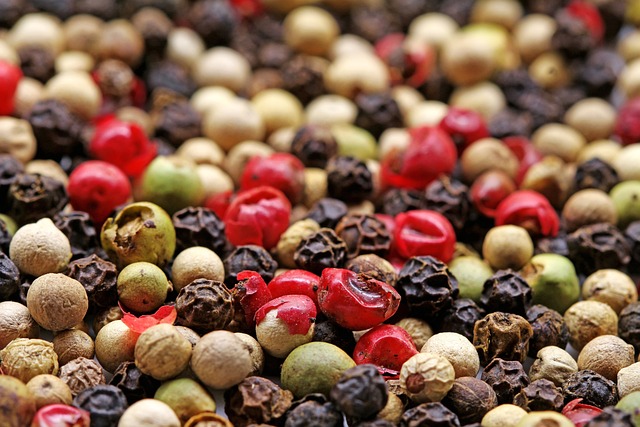
The Science Behind the Aroma of Black Pepper
What gives black pepper its distinctive aroma?
Black pepper owes its aroma to a compound called piperine, which is found in its outer layer, or pericarp.
How does piperine create the aroma of black pepper?
Piperine stimulates the olfactory system, which is responsible for our sense of smell. When we smell black pepper, piperine molecules bind to receptors in our nose, triggering a neural response that registers as the familiar spicy and pungent aroma of black pepper.
Why is piperine important for culinary use?
Aside from adding a distinct flavor and aroma to dishes, piperine has been found to enhance the bioavailability of certain nutrients in food. For example, it has been shown to increase the absorption of curcumin, a beneficial compound found in turmeric.
Is the aroma of black pepper solely attributable to piperine?
While piperine is the primary molecule responsible for black pepper’s aroma, other compounds such as linalool and limonene also contribute to its overall scent profile. These compounds are also responsible for the subtle hints of citrus and floral notes that can be detected when smelling black pepper.

What are the Health Benefits of Black Pepper?
Black pepper is a commonly used spice in many cuisines around the world. It is known for its distinct, pungent taste and aroma. But did you know that black pepper also has several health benefits?
Anti-inflammatory Properties
Black pepper has anti-inflammatory properties that can help reduce swelling and inflammation in the body. This makes it a great remedy for arthritis, joint pain, and other inflammatory conditions.
Improves Digestion
Black pepper stimulates the secretion of digestive juices in the stomach, which aids in the digestion process. It can also prevent gas and bloating, and reduce the risk of indigestion and constipation.
Rich in Antioxidants
Black pepper contains a high concentration of antioxidants, which help neutralize free radicals in the body. This can help prevent cell damage and reduce the risk of chronic diseases such as cancer and heart disease.
If you want to learn more about the health benefits of black pepper, be sure to check out Wikipedia’s page on black pepper.

Introduction
- Black pepper is one of the most widely used spices in the world.
- It is known for its strong, pungent aroma.
- The aroma is produced by a complex mixture of volatile compounds.
The Chemistry of Black Pepper
- Black pepper contains a variety of compounds, including piperine, limonene, and pinene.
- Piperine is the main compound responsible for black pepper’s distinct flavor.
- Limonene and pinene contribute to the aroma.
How Aroma is Produced
- When black pepper is ground or crushed, the volatile compounds are released into the air.
- The compounds bind to olfactory receptors in the nose, which send signals to the brain, resulting in the perception of aroma.
- The aroma is also affected by factors such as temperature, humidity, and cooking method.
The Health Benefits of Black Pepper
- Black pepper has been used in traditional medicine for its digestive properties.
- Studies have also shown that piperine may have anti-inflammatory and antioxidant effects.
- Black pepper may also improve the absorption of certain nutrients, such as curcumin.