


Contents
The Science Behind the Spiciness of Black Pepper
Black pepper is one of the most commonly used spices in the world, renowned for its unique pungency and heat. But have you ever wondered what makes black pepper so spicy? The answer lies in the science of its chemical composition.
The active compound in black pepper that is responsible for its spicy flavor is called piperine. Piperine stimulates the receptors in our mouth and throat that are responsible for perceiving heat and pain. This can leave us with the sensation of a burning or stinging sensation.
Interestingly, piperine does not actually contain any heat. Instead, it simply triggers the same sensory receptors that would be activated by heat. This is why we often describe the spiciness of black pepper as a “warming” sensation rather than a hot one.
The amount of piperine present in black pepper can vary depending on a variety of factors, including the age of the peppercorns and how they are processed. For example, freshly ground pepper tends to be spicier than pre-ground pepper due to the higher concentration of piperine.
In addition to its spiciness, black pepper has also been shown to have a number of potential health benefits, including anti-inflammatory and antioxidant properties. So not only does it add flavor to our food, but it may also provide some important health benefits!
The Basics of Black Pepper
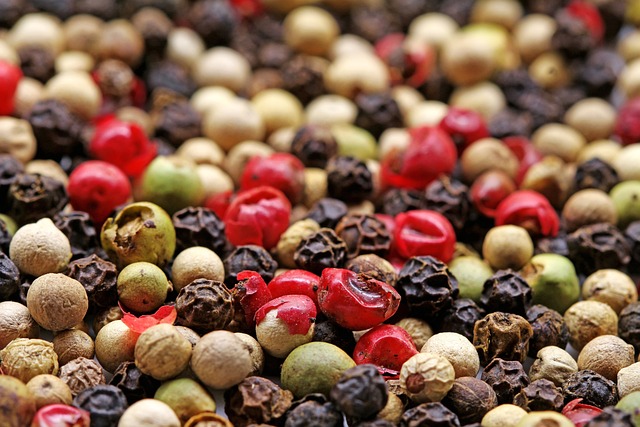
Black pepper is a common spice that is used in various cuisines around the world. It is made from the berries of the piper nigrum plant and is commonly used either freshly grounded or in the form of small pebbles. Pepper is a staple ingredient in many dishes and is used primarily for its flavor and unique spiciness. However, have you ever wondered what is it about black pepper that makes it spicy? In this post, we will explain the science behind the spiciness of black pepper.
The Pungent Compound in Black Pepper
The spiciness of black pepper is due to the presence of a pungent compound called piperine. This compound is a nitrogen-containing alkaloid that is found in high concentrations in the outermost layer of the peppercorn. Piperine is colourless and crystalline in nature. It is also responsible for the distinctive pungent and biting taste of black pepper.
Piperine’s Effect on the TRPV1 Receptor
Piperine works by directly stimulating the TRPV1 receptor, a group of ion channels found on the cell membrane. TRPV1 is known to mediate the perception of moderate heat and pain. When piperine comes in contact with these receptors, it triggers a sensation of heat in the mouth, which produces a burning and numbing feeling.
The Role of the Saliva
Interestingly, the spiciness of black pepper is not only due to piperine. The secretion of saliva in the mouth plays an essential role in amplifying the spiciness perception. Saliva helps to carry piperine molecules to the taste buds, where they bind with taste receptors, producing a characteristic spicy flavor.
Conclusion
The science behind the spiciness of black pepper is fascinating. Piperine, the alkaloid present in pepper, acts by stimulating the TRPV1 receptors, and the presence of saliva in the mouth amplifies the perception of spiciness. The next time you enjoy a dish with black pepper, remember that it is piperine that’s responsible for the unique taste and spiciness.
For more information on the benefits of piperine or other alkaloids you can visit our post The Benefits of Alkaloids in Food
Keywords: black pepper, piper nigrum, piperine, TRPV1 receptor, spiciness, alkaloid
FAQs: The Science behind the Spiciness of Black Pepper
What makes black pepper spicy?
Black pepper gets its spiciness from a compound called piperine. This chemical irritates the taste buds and creates a burning sensation on the tongue.
What other compounds are found in black pepper?
In addition to piperine, black pepper also contains essential oils such as myrcene, limonene, and pinene. These oils contribute to the peppery aroma and flavor of black pepper.
Is black pepper considered a hot pepper?
No, black pepper is not considered a hot pepper like jalapenos or habaneros. While it does have a sharp and spicy flavor, it is not as intense as other chili peppers.
Can the spiciness of black pepper be reduced?
Yes, the spiciness of black pepper can be reduced by grinding it into a finer powder. This breaks down the piperine molecules and makes them less potent. Additionally, combining black pepper with other ingredients can help to balance out the spiciness.
What health benefits are associated with black pepper?
Black pepper has been shown to have a variety of health benefits, including improving digestion, reducing inflammation, and enhancing nutrient absorption. It may also have anti-cancer properties and help to regulate blood sugar levels.

What is Black Pepper?
Black pepper is a flowering vine cultivated for its fruit, also known as peppercorn. It is native to South India and is widely used as a spice and seasoning in many cuisines worldwide.
Health Benefits of Black Pepper
Black pepper has many health benefits due to its active compound, piperine. Some of the benefits are as follows:
- Improves digestion
- Relieves cold and cough
- Reduces inflammation and pain
- Prevents cancer
- Improves brain function
How to Use Black Pepper?
Black pepper can be used in various forms such as whole peppercorns, ground pepper, or pepper oil. It can be added to soups, stews, curries, marinades, and salads. It can also be used as a natural remedy by mixing it with honey and ginger.
Explore More About Black Pepper
Visit Wikipedia to learn more about the history, cultivation, and uses of black pepper.

The Science behind the Spiciness of Black Pepper
Overview:
- Black pepper gets its spiciness from a chemical compound called piperine
- Piperine stimulates the heat receptors in our mouths
- It works by binding to the TRPV1 receptor, which is responsible for our perception of hot temperatures
- Piperine can also enhance the flavor and aroma of foods
How Piperine Works:
- Piperine blocks the action of enzymes that break down other compounds, allowing their effects to be more pronounced
- It also stimulates the release of digestive enzymes in our stomachs
Health Benefits:
- Piperine has been shown to have anti-inflammatory, antioxidant, and anticancer effects in animal studies
- It may also enhance the absorption of nutrients, such as vitamins and minerals, from our food