Contents
The Science Behind Using Coarse Salt in Meat Preparation
Coarse salt, often overlooked in the culinary world, plays a crucial role in meat preparation. Its unique texture and larger grain size offer significant advantages when it comes to enhancing flavor and preserving meat. The process of salting meat not only ensures better taste but also influences moisture retention, texture, and overall tenderness. By understanding the science behind this process, cooks can elevate their culinary skills, ensuring that every dish is packed with flavor and juicy perfection.

The Importance of Salting Meat
Enhancing Flavor
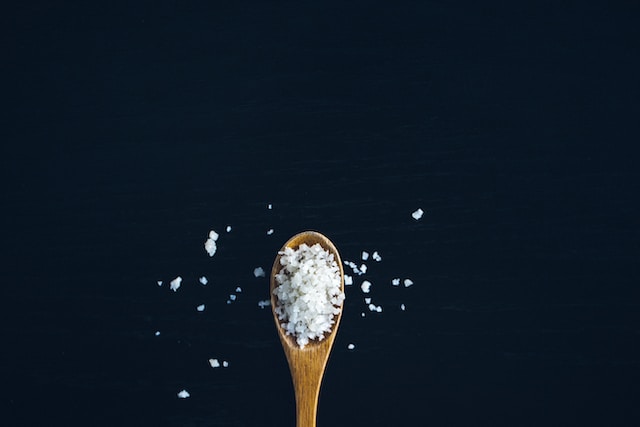
Coarse salt plays a crucial role in enhancing the flavor of meat. The larger crystals of coarse salt dissolve more slowly than fine salt, allowing for a longer interaction with the meat. This gradual absorption enables a deeper flavor penetration, making the meat taste more savory and delicious.
Moisture Retention
One of the significant benefits of using coarse salt is its ability to retain moisture in meat. When salt is applied, it draws out moisture through osmosis. This initial moisture then combines with the salt, forming a brine that is reabsorbed back into the meat. This process helps maintain juiciness during the cooking process.
Textural Benefits
Salt not only affects the taste and moisture of meat but also impacts its texture. Coarse salt helps to break down protein structures in meat, resulting in a more tender final product. The salt penetrates the meat fibers and alters their integrity, making them less tough.
Types of Coarse Salt
Sea Salt
Sea salt is harvested from evaporated seawater and retains various trace minerals. It can enhance the flavor profile of meat while being a less processed option compared to table salt.
Kosher Salt
Kosher salt is a popular choice among chefs for its larger grain size and ease of handling. It’s excellent for salting meat because it can easily be pinched and sprinkled over the surface.
Himalayan Pink Salt
Himalayan pink salt is not only visually appealing but also rich in minerals. This type of salt can provide a unique taste while enhancing the meat’s natural flavors.
Application Techniques
Dry Brining
Dry brining involves rubbing coarse salt onto meat and letting it sit for a period before cooking. This method can significantly improve flavor and tenderness without the need for additional brining solutions.
Salting Methods
When using coarse salt, it’s essential to apply it evenly and sparingly to avoid overly salty patches. A good rule of thumb is to let the meat rest after salting, allowing the salt to penetrate effectively.
Conclusion
Using coarse salt in meat preparation is more than just a seasoning technique; it’s a scientifically driven method that enhances flavor, retains moisture, and improves texture. For more detailed insights into the effects of salt on meat, visit Serious Eats.
FAQs: The Science Behind Using Coarse Salt in Meat Preparation
What is coarse salt, and how is it different from table salt?
Coarse salt is a type of salt with larger crystals than ordinary table salt. It is less processed and often retains natural minerals, giving it a different flavor and texture.
Why is coarse salt preferred for meat preparation?
Coarse salt is preferred because its larger crystals dissolve slower, allowing for better control over the seasoning process. It enhances flavor without making the meat overly salty.
How does coarse salt affect the texture of meat?
When meat is salted with coarse salt, it draws out moisture, which then dissolves the salt. This mixture penetrates the meat, effectively brining it, resulting in improved texture and juiciness.
Can using too much coarse salt ruin the meat?
Yes, using too much can lead to overly salty meat. It’s essential to find the right balance, typically around 1 teaspoon of coarse salt per pound of meat for optimal results.
How long should meat be salted with coarse salt before cooking?
For best results, meat should be salted with coarse salt and allowed to sit for at least 40 minutes to an hour before cooking. This allows time for the salt to penetrate.
While salt is essential for our health, excessive intake can lead to high blood pressure and other health issues. Moderation is key, regardless of the type of salt used.
Can coarse salt be used for all types of meat?
Yes, coarse salt can be used for various types of meat, including beef, pork, chicken, and even fish. The key is to adjust the quantity and timing based on the type and cut of meat.

The Benefits of Using Coarse Salt in Meat Preparation
Coarse salt is a popular choice among chefs and home cooks for seasoning meat. It enhances flavor and has unique properties that contribute to the overall cooking process.
Enhanced Flavor Profile
One of the primary benefits of using coarse salt is its ability to enhance the natural flavors of meat. Unlike finer salts, coarse salt dissolves slowly, allowing for more controlled seasoning.
Moisture Retention
Coarse salt plays a critical role in moisture retention during cooking. When applied to meat, it draws out moisture and then reabsorbs it along with the salt, resulting in a juicier final product.
How to Use Coarse Salt for Meat
Incorporating coarse salt into your meat preparation is straightforward. Here are some simple steps to follow:
1. Brining
Mix coarse salt with water to create a brine. Soaking meat in this solution can help to enhance its flavor and juiciness.
2. Dry Rubs
Combine coarse salt with spices to create a dry rub. This method adds depth to the flavor while forming a delicious crust when cooked.
Learn More
For a deeper understanding of different types of salt and their uses in cooking, visit the Salt Wikipedia page.
The Science Behind Using Coarse Salt in Meat Preparation
- Coarse salt enhances flavor by drawing out natural juices.
- It creates a brine that penetrates the meat, improving moisture retention.
- Salt aids in protein breakdown, resulting in more tender meat.
- Coarse grains dissolve slower, allowing for even seasoning.
- Helps in the formation of a desirable crust during cooking.
- Acts as a preservative, inhibiting bacterial growth.