


Contents
The Truth About Stainless Steel Kettles: Can They Really Rust?
Stainless steel kettles are known for their durability, sleek design, and resistance to corrosion. However, there is a common misconception that stainless steel kettles are completely immune to rusting. In this article, we will explore the truth behind this claim and understand the factors that can lead to rusting in stainless steel kettles.
Stainless steel is an alloy that is primarily composed of iron, chromium, and nickel. The chromium content in stainless steel provides its corrosion-resistant properties by forming a protective layer on the surface called chromium oxide. This layer prevents the underlying steel from coming into direct contact with moisture or oxygen, thereby reducing the chances of rust formation.
While stainless steel kettles are generally resistant to rust, they are not entirely rust-proof. There are certain conditions and factors that can compromise the protective layer and lead to rusting:
- Prolonged exposure to high levels of humidity or moisture
- Presence of chloride ions in the water source
- Scratches or damage to the protective layer
- Improper cleaning or maintenance
It is important to note that not all stainless steel is created equal. Different grades of stainless steel have varying levels of resistance to corrosion. Higher quality stainless steel, such as 304 or 316, contains more chromium and nickel, making it more resistant to rust than lower grade stainless steel.
To ensure the longevity of your stainless steel kettle and minimize the risk of rust formation, it is recommended to follow these preventive measures:
- Avoid leaving water standing in the kettle for extended periods
- Use filtered water to reduce the presence of impurities
- Gently clean the kettle with non-abrasive materials
- Regularly inspect the kettle for any signs of damage or scratches
In conclusion, while stainless steel kettles are less likely to rust compared to other materials, they are not completely immune to rust formation. By understanding the factors that can contribute to rusting and taking proper preventive measures, you can enjoy the benefits of a stainless steel kettle for a longer period of time.
The Truth About Stainless Steel Kettles: Can They Really Rust?
What Makes Stainless Steel Kettles Attractive?
Stainless steel kettles have become increasingly popular over the years due to their sleek appearance, durability, and excellent heat conductivity. They are a common choice for many households and businesses alike.
Understanding Stainless Steel’s Resistance to Rust
Contrary to popular belief, stainless steel is not entirely immune to rust. However, it is highly resistant to corrosion compared to other metals, making it a suitable material for kitchenware and appliances.
Stainless steel contains chromium, which forms a thin, protective layer on the surface when exposed to air or moisture. This layer, known as the passive layer, helps prevent rust by blocking the interaction between the stainless steel and its surroundings.
Beware of Low-Quality Stainless Steel
While stainless steel is generally rust-resistant, not all stainless steel kettles are made equal. Low-quality or poorly manufactured stainless steel kettles might have insufficient chromium content or manufacturing flaws that compromise their rust resistance.
It is essential to invest in high-quality stainless steel kettles from reputable brands or manufacturers. These products undergo rigorous testing and adhere to strict quality standards, ensuring better rust resistance and overall longevity.
Maintaining and Preventing Rust in Stainless Steel Kettles
Although stainless steel kettles are resistant to rust, proper care and maintenance are still necessary to prevent any potential issues. Here are some tips to keep your stainless steel kettle rust-free:
- Regularly clean your kettle using mild detergent and warm water
- Avoid using abrasive cleaners or scrubbers that can damage the protective layer
- Dry your kettle thoroughly after each use to prevent moisture buildup
- Avoid leaving stagnant water in the kettle for extended periods
- Consider descaling your kettle periodically to remove mineral deposits
Following these simple maintenance practices will help ensure the longevity and rust resistance of your stainless steel kettle.
Conclusion
Stainless steel kettles are generally resistant to rust due to the protective chromium layer formed on their surface. However, the quality of the stainless steel and manufacturing process can influence their rust resistance. By investing in high-quality stainless steel kettles and performing regular maintenance, you can enjoy a rust-free kettle for years to come.
For more in-depth information, you can visit www.kitchenkettle.com.

Frequently Asked Questions
1. Can stainless steel kettles really rust?
Contrary to their name, stainless steel kettles can still rust under certain conditions. Although stainless steel is highly resistant to rust, it is not 100% immune to it.
2. What causes stainless steel kettles to rust?
Several factors can contribute to the rusting of stainless steel kettles. Exposure to harsh chemicals, lack of proper maintenance, and high humidity are some common causes. Additionally, scratches or damage to the stainless steel surface can also initiate the rusting process.
3. How can I prevent my stainless steel kettle from rusting?
To minimize the risk of rusting, follow these preventive measures:
- Regularly clean your kettle using mild soap and water, ensuring it is thoroughly dry afterward.
- Avoid using harsh cleaning agents or abrasive scrubbers that can damage the stainless steel surface.
- Store your kettle in a dry and well-ventilated area to prevent moisture buildup.
- Inspect and promptly repair any scratches or damages to the kettle’s surface.
4. Can I remove rust from a stainless steel kettle?
Yes, you can remove rust from a stainless steel kettle using various methods. Some effective techniques include:
- Using a mixture of baking soda and water to create a paste. Apply the paste to the rusted areas and gently scrub with a soft cloth or sponge.
- Applying white vinegar or lemon juice directly to the rusted spots, allowing it to sit for a few minutes before scrubbing it off.
- Using specialized stainless steel cleaners or rust removers available in the market.
5. Is rust in a stainless steel kettle harmful?
Rust itself is not harmful to human health. However, consuming rust particles or drinking water from a rusted kettle may affect the taste and appearance of the water. It is advisable to remove rust from the kettle and avoid using it until the issue is resolved.
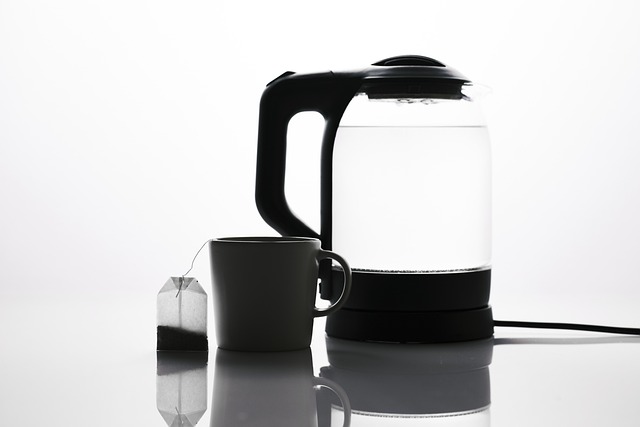
Understanding Stainless Steel Kettles
What Makes Stainless Steel Kettles Resistant to Rust?
Stainless steel kettles are known for their durability and resistance to rust. This is primarily due to the presence of chromium in the steel alloy used to make these kettles. Stainless steel contains at least 10.5% chromium, which forms a protective layer on its surface, preventing rust and corrosion.
Factors That Affect Stainless Steel Kettle’s Rust Resistance
While stainless steel kettles have excellent resistance to rust, certain factors can influence their longevity:
- Quality of Stainless Steel: Higher quality stainless steel, such as 18/10 grade, offers superior rust resistance compared to lower grades.
- Care and Maintenance: Regularly cleaning your kettle and drying it thoroughly after use can help prevent the formation of rust.
- Water Quality: The composition of the water you use can affect your stainless steel kettle. Highly mineralized or acidic water may lead to discoloration or corrosion over time.
Preventing Rust in Stainless Steel Kettles
To ensure your stainless steel kettle remains rust-free and maintains its pristine appearance, follow these tips:
- Wash your kettle with mild soap and warm water, wiping it gently with a soft cloth. Avoid using abrasive cleaners or steel wool.
- Thoroughly dry your kettle after each use to prevent moisture buildup.
- Regularly descale your kettle to remove any mineral buildup that may impact its performance and appearance.
For further information about stainless steel and its resistance to rust, refer to the Stainless steel Wikipedia page.

The Truth About Stainless Steel Kettles: Can They Really Rust?
Summary:
- Stainless steel kettles are generally resistant to rust.
- However, certain factors can cause stainless steel kettles to rust.
- Low-quality stainless steel, exposure to moisture, and careless maintenance can contribute to rust formation.
- Chlorides and harsh cleaning agents can also corrode stainless steel kettles.
- Regular cleaning, proper drying, and avoiding harsh chemicals are essential to prevent rust.
- Choosing a high-quality stainless steel kettle and following care instructions will minimize the risk of rusting.