Contents
Welcome to The Ultimate Guide: Sea Salt vs Table Salt in Cooking
Are you confused about whether to use sea salt or table salt in your cooking? This guide is here to help you understand the differences between the two types of salt and how to use them effectively in your recipes.

Introduction
Salt is a crucial ingredient in cooking, but not all salts are created equal. In this guide, we’ll break down the differences between sea salt and table salt and how to use them in your cooking.
Sea Salt
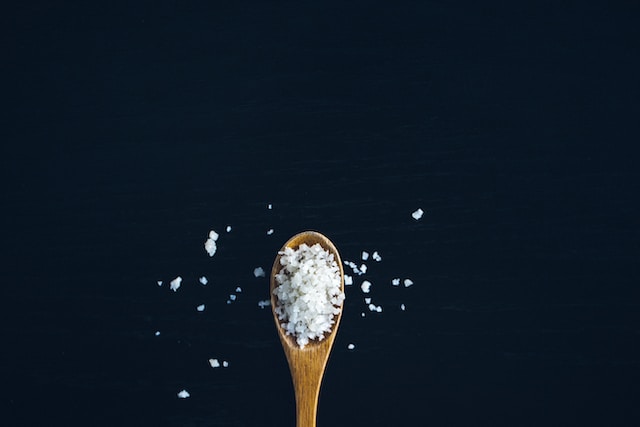
Sea salt is made by evaporating seawater and harvesting the salt that remains. It is minimally processed and retains many minerals that give it a slightly different flavor profile compared to table salt. Sea salt is available in various forms such as fine, coarse, and flaky.
Pros of Sea Salt:
- Rich in minerals
- No additives
- Enhances the natural flavors of food
Cons of Sea Salt:
- Can be more expensive than table salt
- May not be as easy to find in regular grocery stores
Table Salt
Table salt is heavily processed to remove impurities and is often fortified with iodine, a nutrient important for thyroid health. It has a finer texture compared to sea salt and is commonly used in baking and cooking.
Pros of Table Salt:
- Cost-effective
- Readily available
- Uniform grain size for precise measurements
Cons of Table Salt:
- Contains additives and anti-caking agents
- Lacks minerals present in sea salt
Which Salt to Use?
The choice between sea salt and table salt ultimately comes down to personal preference and the dish being prepared. Sea salt is great for finishing dishes or adding a subtle crunch, while table salt is perfect for precise measurements and baking.
For everyday cooking, either salt can be used interchangeably, but adjusting the amounts may be necessary due to differences in saltiness. Experiment with both types of salt to find what works best for your taste buds.
Conclusion
Whether you prefer the natural minerals of sea salt or the affordability of table salt, both can elevate the flavors of your dishes when used properly. Understanding the differences between the two salts can help you make informed decisions in the kitchen.
Frequently Asked Questions
What is the difference between sea salt and table salt?
Sea salt is harvested from evaporated seawater, while table salt is mined from underground salt deposits. Sea salt is typically less processed and may contain trace minerals, giving it a slightly different flavor profile compared to table salt.
Can I substitute sea salt for table salt in cooking?
Yes, you can substitute sea salt for table salt in cooking. However, keep in mind that sea salt is typically coarser than table salt, so you may need to adjust the amount used in your recipe. It’s best to start with a little less sea salt and adjust to taste.
Which salt is better for baking?
Both sea salt and table salt can be used for baking, but many bakers prefer using table salt because its fine texture allows for even distribution in baked goods. Sea salt can be used as a topping for certain baked goods to add a crunchy texture.
Is sea salt healthier than table salt?
Sea salt and table salt contain comparable amounts of sodium, so they are equally impactful on health when consumed in excess. However, sea salt may contain trace minerals that provide some additional health benefits. It’s important to consume salt in moderation regardless of the type.

What is the difference between sea salt and table salt?
Sea salt and table salt are two common types of salt that are used in cooking. While they both serve the same purpose of adding flavor to food, there are some key differences between the two.
Sea Salt
Sea salt is harvested from evaporated seawater. It is minimally processed and retains trace minerals from the ocean. Sea salt has a coarser texture and can vary in color depending on where it is harvested.
Table Salt
Table salt is heavily processed to remove impurities and often has additives to prevent clumping. It is finer in texture and tends to have a sharper, more intense flavor than sea salt.
Despite these differences, sea salt and table salt can generally be used interchangeably in cooking. However, sea salt is often preferred for finishing dishes or for its perceived health benefits due to its mineral content.
For more information on the differences between sea salt and table salt, you can visit Wikipedia’s page on salt varieties.
The Ultimate Guide: Sea Salt vs Table Salt in Cooking
- Sea salt is harvested from seawater and contains more minerals than table salt.
- Table salt is processed to remove impurities and additives, resulting in a more uniform taste.
- Sea salt has a stronger flavor profile and larger grains, making it ideal for finishing dishes.
- Table salt is more commonly used in baking and cooking due to its fine texture and ability to dissolve quickly.
- Both sea salt and table salt can be used interchangeably in many recipes, but it’s important to adjust amounts based on their saltiness levels.