
Contents
The Ultimate Guide to Choosing the Best Salt for Baking Success
Baking is an art that requires precision, and one of the most essential yet often overlooked ingredients is salt. While it may seem like a simple addition, the right type of salt can make a significant difference in your baked goods. This guide aims to navigate you through the various types of salts available, their unique properties, and how to choose the best one for your baking needs. Whether you’re preparing bread, cookies, or pastries, understanding the role of salt will help elevate your baking to new heights.

Understanding the Importance of Salt in Baking
Salt is not just a seasoning; it plays a crucial role in the baking process. It enhances flavor, strengthens gluten, and even controls yeast fermentation.
Types of Salt for Baking
1. Table Salt
Table salt is the most common form found in kitchens. It’s finely ground and often iodized to prevent deficiencies. While it’s convenient, its strong flavor can sometimes overpower baked goods.
2. Sea Salt
Harvested from evaporated seawater, sea salt adds a unique flavor and texture. It comes in various grain sizes, making it versatile for different baking needs.
3. Kosher Salt
This type of salt is favored by many professional chefs due to its flakiness, which makes it easy to pinch. It’s typically less salty by volume compared to table salt.
4. Himalayan Pink Salt
Known for its striking color, Himalayan pink salt contains trace minerals that can enhance flavor. It’s often used in less processed forms, like salt blocks for cooking.
5. Fleur de Sel
This delicate sea salt is hand-harvested and has a soft, flaky texture. It’s often used as a finishing salt, perfect for adding a burst of flavor to baked goods.
How to Choose the Right Salt for Your Baking Needs
1. Consider the Recipe
Different recipes call for different types of salt. Be sure to read the ingredients list carefully and use what is suggested for optimal results.
2. Pay Attention to Grain Size
The size of the salt grains can influence how much salt you use. For example, if you’re substituting coarse salt for table salt, you may need to adjust the quantity since coarse salt is less dense.
3. Taste Test
Ultimately, the best salt is one that suits your taste. Don’t hesitate to experiment to find the combination that works best for you and your baked goods.
Salt Substitutes in Baking
If you’re looking to reduce salt intake, consider using salt substitutes made from potassium chloride. However, be aware that they may affect flavor and texture.
Where to Buy Quality Salt
High-quality salts can be found at specialty food stores, local markets, or online. Websites like The Salt Guy offer a variety of options to choose from.
Conclusion
Choosing the right salt can significantly enhance your baking. Whether you prefer table salt, sea salt, or something more exotic, ensure that it complements your culinary creations.
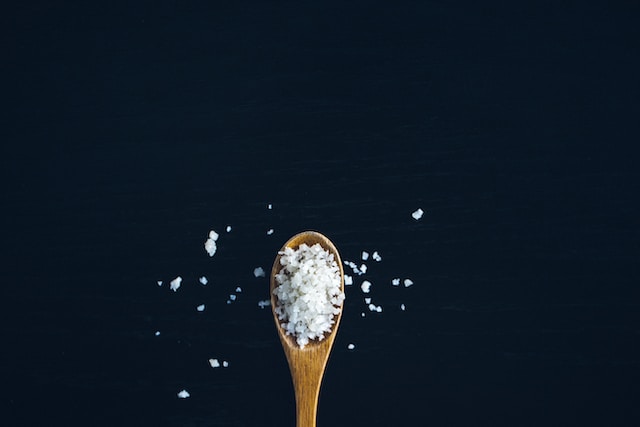
FAQs: The Ultimate Guide to Choosing the Best Salt for Baking Success
What types of salt are best for baking?
For baking, the most commonly recommended salts are sea salt, kosher salt, and table salt. Each type has its unique properties that can affect your baking results.
How does salt influence the flavor of baked goods?
Salt enhances the overall flavor of baked goods by balancing sweetness and bringing out the natural flavors of ingredients. It plays a crucial role in the overall taste profile.
Can I substitute one type of salt for another?
Yes, but keep in mind that the volume measurements can vary. For example, kosher salt flakes are larger than table salt, so you may need to adjust the quantity when substituting.
Is there a difference between coarse and fine salt in baking?
Yes, the grain size affects how salt dissolves and flavors your baked goods. Coarse salt may not dissolve as quickly, impacting the final taste and texture.
How should I store baking salt to maintain its quality?
Store salt in a cool, dry place away from moisture and strong odors. Keeping it in an airtight container can help maintain its quality.
Are fancy salts worth using in baking?
While gourmet salts can enhance presentation and provide unique flavors, they may not always be necessary. Regular salts can achieve great results in most baking recipes.

Understanding the Best Salt for Baking
Choosing the right salt can make a significant difference in your baking. Different types of salt can enhance flavors and affect the texture of your baked goods.
Types of Salt Used in Baking
- Table Salt: Commonly used in baking, it dissolves easily, ensuring even distribution.
- Sea Salt: Known for its mineral content, it can add a unique flavor to your baked items.
- Himalayan Pink Salt: This gourmet salt is often praised for its taste and pink hue, which comes from its mineral content.
Why Salt is Important in Baking
Salt plays several key roles in baking, including:
- Enhancing flavor and balancing sweetness
- Strengthening dough structure
- Controlling fermentation and yeast activity
Conclusion
Choosing the best salt for baking depends on personal preference and the specific requirements of your recipe. Experimenting with different types can lead to exciting flavor profiles in your homemade treats.
For more information on the properties of salt, visit Wikipedia.
The Ultimate Guide to Choosing the Best Salt for Baking Success
- Understand the role of salt in baking.
- Explore different types of salt: table salt, sea salt, kosher salt, and flaky salt.
- Learn about flavor profiles and grain size of various salts.
- Consider the impact of salt on dough fermentation and texture.
- Discover tips for adjusting salt quantities in recipes.
- Find suggestions on salt substitutions for specific baking needs.