





Contents
Welcome to The Ultimate Guide to Growing Perennial Herbs in Your Kitchen Garden!
In this comprehensive guide, we will explore how you can grow a variety of perennial herbs in your kitchen garden. Perennial herbs are a fantastic addition to any garden, as they require minimal maintenance and can provide you with fresh herbs year after year.
Benefits of Growing Perennial Herbs
Perennial herbs are a great investment for your kitchen garden, as they can provide you with a continuous supply of fresh herbs without the need for replanting every year. They are also known for their hardiness and ability to withstand various weather conditions, making them an excellent choice for beginner gardeners.

The Ultimate Guide to Growing Perennial Herbs in Your Kitchen Garden
Herbs are a wonderful addition to any kitchen garden. Not only do they add flavor and freshness to your dishes, but they also have many health benefits. Perennial herbs, in particular, are a great investment as they come back year after year, saving you time and effort in replanting. In this guide, we will take you through everything you need to know about growing perennial herbs in your kitchen garden.
1. Choosing the Right Herbs
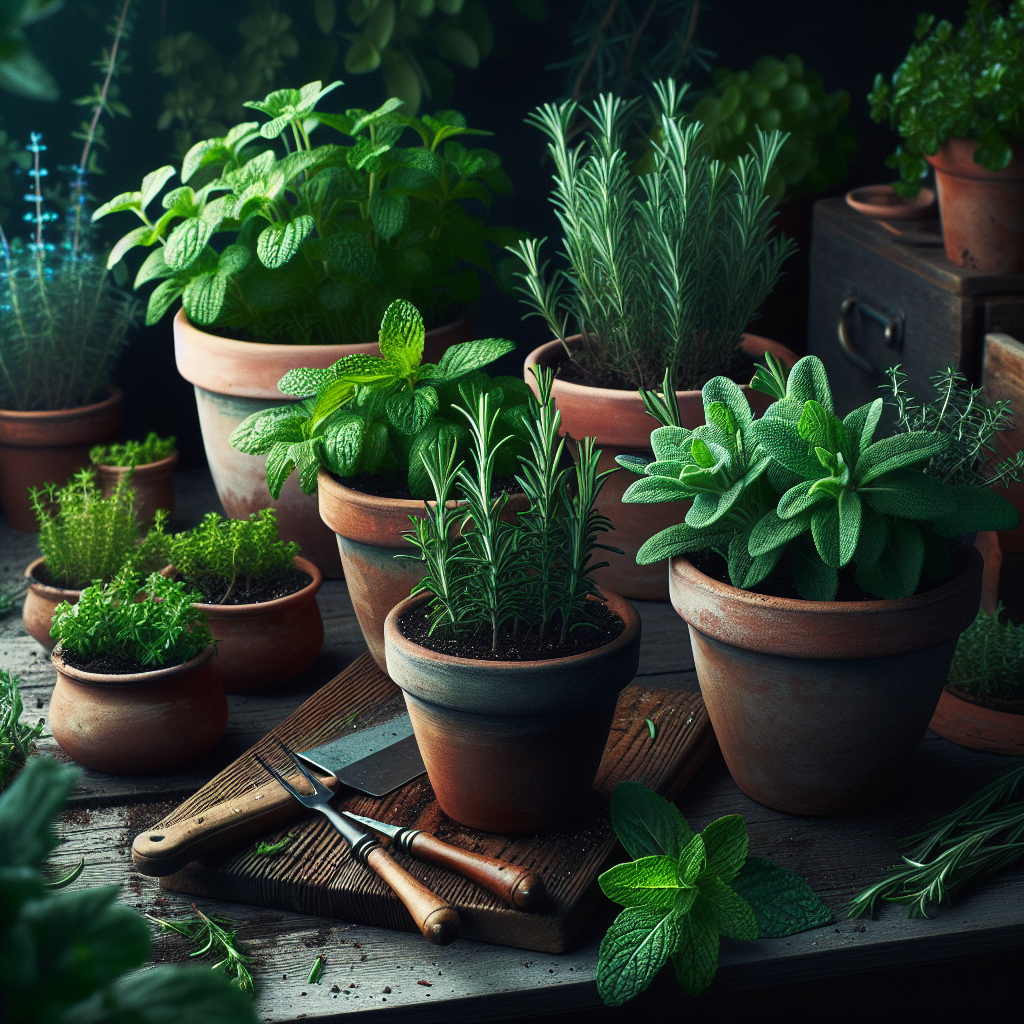
When selecting herbs for your kitchen garden, it is important to consider the climate in your area. Some perennial herbs thrive in sunny, dry conditions, while others prefer shade and moist soil. Some popular perennial herbs to consider include:
- Rosemary
- Thyme
- Sage
- Oregano
- Mint
2. Preparing the Soil
Before planting your perennial herbs, make sure to prepare the soil properly. Herbs prefer well-draining soil rich in organic matter. You can add compost or aged manure to improve the soil structure and fertility. Make sure to loosen the soil to a depth of at least 12 inches to allow for proper root growth.
3. Planting and Care
When planting your perennial herbs, make sure to space them according to their mature size to prevent overcrowding. Water your herbs regularly, especially during dry spells, and mulch around the plants to help retain moisture and suppress weeds. Prune your herbs regularly to encourage new growth and prevent them from becoming leggy.
For more detailed information on growing perennial herbs, you can visit Gardening Know How.
4. Harvesting and Using Herbs
Once your perennial herbs are established, you can start harvesting them for culinary or medicinal purposes. Harvest herbs in the morning when their oils are most potent, and use them fresh or dry them for later use. Perennial herbs can be used in a variety of dishes, from soups and stews to salads and marinades.
5. Overwintering
During the winter months, some perennial herbs may need protection from the cold. You can mulch around the base of the plants or cover them with a layer of straw to insulate them from frost. Some herbs, like rosemary, may need to be brought indoors to survive the winter.
By following these tips and guidelines, you can enjoy a bountiful harvest of perennial herbs year after year in your kitchen garden. Happy gardening!

Frequently Asked Questions about Growing Perennial Herbs
What are perennial herbs?
Perennial herbs are plants that live for more than two years and are known for their ability to survive and thrive in various climates.
Why should I grow perennial herbs in my kitchen garden?
Perennial herbs are a great addition to any kitchen garden because they provide a constant supply of fresh herbs year after year without the need to replant. They are also known for being low-maintenance and easy to grow.
What are some popular perennial herbs that you can grow in your kitchen garden?
Some popular perennial herbs that you can grow in your kitchen garden include rosemary, thyme, sage, lavender, and oregano.
How do I care for perennial herbs in my kitchen garden?
Perennial herbs require well-drained soil, plenty of sunlight, and regular watering. It is also important to prune them regularly to promote new growth and prevent them from becoming too leggy.
Can I use perennial herbs for cooking?
Absolutely! Perennial herbs are perfect for adding flavor to your dishes and can be used fresh or dried. They are a great way to enhance the taste of your meals without having to rely on store-bought herbs.

Best Perennial Herbs for Your Kitchen Garden
When it comes to creating a sustainable and convenient herb garden in your kitchen, perennial herbs are a great choice. These herbs require less maintenance and can thrive year after year with proper care. Here are some popular perennial herbs that you can consider adding to your kitchen garden:
Rosemary
Rosemary is a versatile herb that adds a fragrant and savory flavor to a variety of dishes. It is known for its strong aroma and can be used fresh or dried in cooking. Rosemary plants are easy to grow and can withstand dry conditions, making them perfect for kitchen gardens.
Thyme
Thyme is another perennial herb that is popular in kitchen gardens. It has a subtle, earthy flavor that pairs well with a range of dishes, from soups to meats. Thyme plants are hardy and can thrive in both sunny and partially shaded areas.
Mint
Mint is a refreshing and aromatic herb that is ideal for use in teas, cocktails, and desserts. There are many varieties of mint, including spearmint and peppermint, each with its own unique flavor profile. Mint plants can spread quickly, so it’s best to plant them in containers to prevent them from taking over your garden.
For more information on perennial herbs, you can visit Wikipedia’s page on perennial plants.
The Ultimate Guide to Growing Perennial Herbs in Your Kitchen Garden
- Choose the right location for your herb garden, ensuring it receives adequate sunlight and good drainage.
- Select perennial herbs such as rosemary, thyme, sage, and oregano for easy growing and continuous harvest.
- Plant herbs in well-draining soil and water consistently to promote healthy growth.
- Prune herbs regularly to encourage bushy growth and prevent overcrowding.
- Harvest herbs frequently to enjoy fresh flavors in your cooking and preserve excess for later use.
Category – Pepper, Salt and Herbs







