Contents
Understanding the Origins and Cultural Significance of White Pepper
White pepper, also known as pepper corn, is an essential ingredient in cooking and has been used for thousands of years. It is a vital part of almost every cuisine in the world and is known for its significant health benefits. The origin of white pepper can be traced back to India and Southeast Asia, where it has been cultivated for over 2000 years.
The distinctive spicy taste and aroma of white pepper come from the outer layer of the pepper corn. The process of producing white pepper involves soaking the pepper corns in water for several days. During this time, the outer layer of the pepper corn is removed, revealing the white pepper. This process impacts the flavor profile of white pepper by making it less pungent and slightly sweeter than black pepper.
The cultural significance of white pepper is evident in the culinary traditions of many countries. In China, white pepper is used in traditional soups, stir-fries, and marinades for meat and seafood. In Southeast Asia, white pepper is a staple ingredient in curries, while in Europe, white pepper is used to flavor sauces, soups, and stews. In addition to its culinary uses, white pepper has also been used in traditional medicine to treat ailments such as stomachaches, colds, and sore throats.
In conclusion, white pepper has a rich history and cultural significance. Its unique flavor and health benefits have made it a popular ingredient in cuisine around the world. Understanding the origins and cultural significance of white pepper allows us to appreciate its value not only as a spice but also as part of our human history and culture.
What is White Pepper?
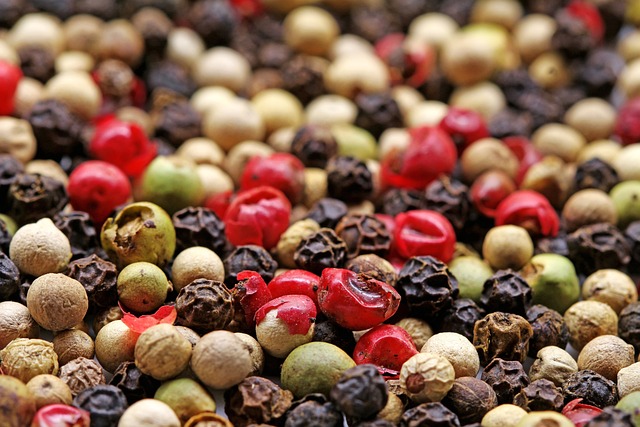
White pepper is a type of spice that comes from the berries of the Piper nigrum plant. It is one of the most widely used spices in the world, particularly in Asia and Europe. White pepper is made by removing the outer layer of black peppercorns, leaving only the inner seed or core.
The Origins of White Pepper
The Piper nigrum plant is native to India, where it has been cultivated for thousands of years. It was traded along the Silk Road to the Middle East and Europe, where it became a popular spice for cooking and seasoning. White pepper was first produced in China and was introduced to European cuisine in the 17th century.
The Cultural Significance of White Pepper
White pepper is deeply rooted in the culinary traditions of many cultures. In Chinese cuisine, it is a key ingredient in dishes such as hot and sour soup, stir-fries, and Szechuan-style dishes. In French cuisine, it is used in classic dishes such as chicken in white wine sauce and potato leek soup. It is also a common ingredient in German sausages and Scandinavian gravlax.
White pepper also has a significant role in traditional medicine. In Ayurvedic and Chinese medicine, white pepper is thought to have warming properties and is used to treat a variety of ailments including digestive problems, coughs, and colds.
Conclusion
White pepper is a versatile and flavorful spice that has played an important role in the culinary traditions of many cultures. Its origins in India and introduction to Europe and China have made it a staple in many dishes around the world. Understanding the origins and cultural significance of white pepper can give us a deeper appreciation for this flavorful spice.
Keywords: white pepper, Piper nigrum, culinary traditions, Chinese cuisine, French cuisine, traditional medicine, India, Europe, warming properties, digestive problems.
Frequently Asked Questions: Understanding the Origins of White Pepper and its Cultural Significance
What is white pepper?
White pepper is a type of pepper that is made from the dried seeds of the pepper plant. The seeds are soaked in water for several days, after which the outer layer is removed, leaving only the inner seed. The seed is then dried, resulting in a pale white color and a milder flavor compared to black pepper.
Where does white pepper come from?
White pepper is believed to have originated in Southeast Asia, specifically in the regions of India, Indonesia, and Malaysia. It was later brought to Europe by traders during the Middle Ages.
What is the cultural significance of white pepper?
White pepper has a long history of use in traditional Asian medicine as a digestive aid and anti-inflammatory. In many Asian cultures, it is also used as a spice in cooking, particularly in dishes that are light in color or texture, such as soups, seafood, and rice dishes. Additionally, white pepper has been used as a symbol of wealth and prestige in various cultures, as it was once considered a luxury item that only the wealthy could afford.

What is White Pepper Powder?
White pepper powder is made from the dried fruit of pepper plants. The fruits are soaked in water for several days, during which time the outer layer softens and can be removed. The remaining seed is then dried and ground into powder.
Benefits of Using White Pepper Powder in Cooking
- White pepper powder has a more subtle flavor than black pepper, making it a great addition to dishes where you want the flavor without the heat.
- It is a great ingredient in creamy sauces, soups, and mashed potatoes.
- White pepper powder is also a natural preservative in food, inhibiting the growth of bacteria that can cause spoilage.
- It is said that white pepper powder can help stimulate digestion and aid in weight loss.
Outbound Link
If you want to know more about the history and uses of white pepper powder, you can visit Wikipedia’s page on White Pepper.

Introduction
White pepper is a popular spice that has been used in cuisine across the world for centuries. It is derived from black pepper and has a different flavor profile, making it particularly sought after in certain cultures.
The Origins of White Pepper
White pepper was first discovered in India, where black pepper was also found. The process of making white pepper involves removing the black outer layer of the peppercorn, which exposes the inner white layer.
Cultural Significance
White pepper has been used in traditional Chinese medicine for centuries and is believed to have many healing properties. In Western cuisine, it is often used in creamy dishes, sauces, and soups. It is also commonly used in Scandinavian cuisine.
Conclusion
Understanding the origins of white pepper and its cultural significance can help us appreciate the way it has been used throughout history and around the world. Whether you use it for its unique flavor or its potential health benefits, white pepper remains an important part of many cuisines.