

Contents
Unveiling the History and Origins of Black Pepper
Black pepper, also known as the “king of spices,” is a widely used spice in culinary dishes around the world. Its peppery and aromatic flavor has made it a favorite ingredient for centuries. But have you ever wondered about the fascinating history and origins of this popular spice?
Black pepper has a rich history that dates back thousands of years. It was first cultivated in India and has been traded globally since ancient times. In fact, its trade routes were one of the main reasons for the establishment of important historical trade routes such as the Silk Road.
The origins of black pepper can be traced back to the Piperaceae family, which includes around 1,000 species of flowering plants. The plant that produces black pepper is scientifically known as Piper nigrum. It is a tropical climbing vine that requires specific growing conditions to thrive.
India has been traditionally known as the birthplace of black pepper. It was highly valued in ancient times and was even used as a form of currency. Indian traders were the first to introduce black pepper to the Mediterranean region, where it quickly gained popularity. Its demand grew rapidly, leading to the establishment of spice trade routes across Asia and Europe.
Today, black pepper is grown in various tropical regions around the world, including Vietnam, Indonesia, and Brazil. Each region contributes different characteristics and flavors to the overall profile of the spice. The harvesting and processing techniques have also evolved over time, allowing for a consistent and high-quality product.
In addition to its culinary uses, black pepper has also been valued for its medicinal properties. It is believed to aid digestion, improve respiratory health, and possess antioxidant properties, among other benefits.
In conclusion, the history and origins of black pepper are deeply intertwined with different cultures and trade routes throughout history. From its humble beginnings in India to its global popularity today, black pepper has become an integral part of culinary traditions worldwide. Its distinct flavor and versatile nature continue to make it a beloved spice in countless dishes.
The Beginnings of Black Pepper
Black pepper, often referred to as the “King of Spices,” has a rich history that dates back thousands of years. This
sought-after spice is derived from the dried berries of the Piper nigrum vine, native to the southwestern region of
India.
Discovery of Black Pepper
The discovery of black pepper can be traced back to ancient times. It is believed that it was first used by the
ancient Egyptians around 2000 BCE. The Egyptians highly valued black pepper and even used it as a form of currency in
trade.
Trade and Expansion of Black Pepper
Black pepper quickly gained popularity and became a valuable commodity in various civilizations. The spice was traded
along the lucrative Silk Road, which connected the East and the West, making it accessible to diverse cultures.
Its distinct aroma and flavor became instrumental in transforming otherwise bland dishes.
Colonial Influence on Black Pepper
The colonial era played a significant role in the global spread of black pepper. European explorers, such as
Christopher Columbus, embarked on voyages to discover new trade routes and sources of valuable spices. In the quest
for black pepper, they inadvertently discovered the Americas.
Black Pepper Cultivation and Production
Black pepper cultivation predominantly takes place in tropical regions. The peppercorns are harvested when they are
still green and unripe, and then sun-dried, becoming wrinkled and dark. The drying process helps develop the
characteristic bold flavor and pungency associated with black pepper.
Health Benefits and Culinary Uses
Besides its unique taste, black pepper offers numerous health benefits. It is known to aid digestion, improve
metabolism, and possess antioxidant properties. In culinary usage, black pepper enhances the flavor of various
dishes, both savory and sweet, adding a delightful kick to a wide range of recipes.
The Black Pepper Industry Today
The demand for black pepper has continued to rise worldwide. India remains the largest producer and exporter of black
pepper, followed by Vietnam and Indonesia. International trade agreements and advancements in transportation have
made it more accessible and affordable in various parts of the world.
Conclusion
Unraveling the fascinating history and origins of black pepper unveils its essential role in shaping culinary and
cultural landscapes across civilizations. From its discovery in ancient times to its global popularity today, black
pepper remains a staple in kitchens worldwide, adding an incomparable depth of flavor to a multitude of dishes.
If you would like to delve deeper into the world of spices, check out our blog post on The
Exquisite Journey of Cinnamon.
Frequently Asked Questions
1. What is the history of black pepper?
Black pepper has a rich history that dates back thousands of years. It was first cultivated in India and was highly prized in ancient times. It played a significant role in the spice trade and was even used as a form of currency. During the medieval period, black pepper became extremely valuable and was referred to as “black gold.”
2. Where does black pepper come from?
Black pepper is native to the Malabar Coast of India. It grows on a flowering vine known as Piper nigrum. Today, it is cultivated in various tropical regions, including Vietnam, Indonesia, and Brazil.
3. How is black pepper harvested?
Black pepper berries are harvested when they reach maturity. They are typically picked by hand or with the help of machines. After harvesting, the berries are sun-dried until they turn black and shriveled, giving them their characteristic appearance.
4. What are the health benefits of black pepper?
Black pepper has numerous health benefits. It is known to improve digestion, stimulate appetite, and relieve congestion. It is also rich in antioxidants and has antimicrobial properties. Additionally, black pepper is believed to have anti-inflammatory and pain-relieving effects.
5. How is black pepper used in cooking?
Black pepper is one of the most widely used spices in the culinary world. It is often added to enhance the flavor of savory dishes, including soups, stews, marinades, and sauces. It is also used in various spice blends and can even be sprinkled over fruits or desserts for a unique twist.
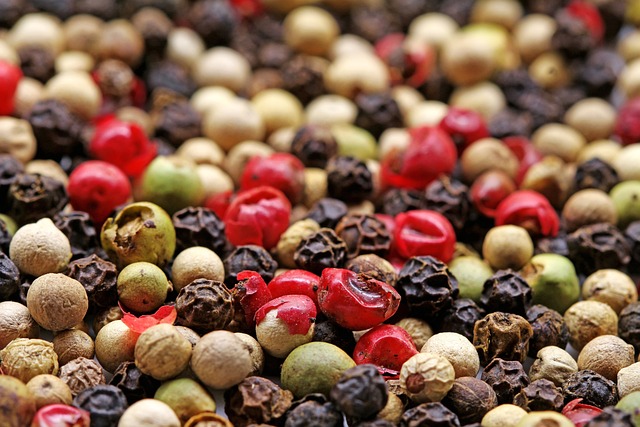
Yes, black pepper belongs to the same family as other popular spices like white pepper and green pepper. White pepper is made from the same berries as black pepper but with the outer layer removed. Green pepper, on the other hand, is made from unripe pepper berries and has a milder flavor.

Black Pepper: A Versatile Spice
The Health Benefits of Black Pepper
Black pepper, also known as the “king of spices,” is a popular seasoning used in various cuisines around the world. Apart from giving dishes a distinctive flavor, black pepper also offers numerous health benefits.
Rich in Antioxidants
Black pepper is packed with antioxidants that help protect the body against cell damage caused by harmful free radicals. These antioxidants can help reduce the risk of chronic diseases, such as cancer and heart disease.
Anti-Inflammatory Properties
Thanks to its active compound called piperine, black pepper possesses anti-inflammatory properties. Regular consumption of black pepper may help reduce inflammation in the body and alleviate symptoms of arthritis and other inflammatory conditions.
Improved Digestion
Black pepper stimulates the production of digestive enzymes, promoting better digestion and reducing digestive issues like bloating and constipation. It can also increase the absorption of essential nutrients from the food we consume.
Enhanced Brain Function
Studies suggest that the piperine in black pepper may have cognitive-enhancing effects. It can potentially improve memory, attention, and overall brain function. Additionally, black pepper may aid in preventing neurodegenerative diseases like Alzheimer’s.
If you want to learn more about the history, cultivation, and various uses of black pepper, check out the Black Pepper Wikipedia page.

Unveiling the History and Origins of Black Pepper
History of Black Pepper
- Black pepper has a rich history dating back thousands of years.
- It was highly valued and traded in ancient civilizations.
- The origin of black pepper can be traced to India and Southeast Asia.
- It was a costly spice, often referred to as “black gold”.
Origins of Black Pepper
- Black pepper comes from the berries of the Piper nigrum plant.
- The plant is native to the Malabar Coast of India.
- It is also grown in other tropical regions like Vietnam, Indonesia, and Brazil.
- The berries are harvested and dried to produce the familiar black peppercorns.
- Black pepper is now one of the most widely used spices worldwide.