
Contents
What are some low-sodium alternatives to salt for flavoring food?
Salt is a common ingredient used to add flavor to our food. However, consuming too much salt can lead to high blood pressure, heart disease, and other health problems. Luckily, there are many low-sodium alternatives to salt that can still add delicious flavor to our meals.
Here are some low-sodium alternatives to salt:
- Herbs and spices: Use fresh or dried herbs and spices to add flavor to your food. Some great options include basil, rosemary, thyme, oregano, garlic, and onion powder.
- Vinegars: Add a splash of vinegar to your salad or use it as a marinade for chicken or fish. Apple cider vinegar, balsamic vinegar, and red wine vinegar are all great options.
- Citrus: Squeeze some fresh lemon or lime juice over your food for a tangy flavor. Or zest the peel and add it to your cooking for an extra burst of flavor.
- Mushrooms: Mushrooms have a natural umami flavor that can add depth to your cooking. Use them in sauces, soups, and stir-fries.
- Nuts and seeds: Toasted nuts and seeds can add a nutty flavor and crunch to your dishes. Try adding them to salads or sprinkling them over roasted veggies.
By using these low-sodium alternatives to salt, you can reduce your sodium intake while still enjoying delicious, flavorful meals.

Low-Sodium Alternatives to Salt
Salt is a common ingredient that adds flavor to food. However, consuming too much salt can be harmful to health, especially for people with high blood pressure or heart disease. Fortunately, there are many alternatives to salt that can be used to add flavor to food. In this article, we will explore some of the best low-sodium alternatives to salt.
1. Herbs and Spices
Herbs and spices are a great way to add flavor to food without using salt. Some popular herbs include basil, oregano, rosemary, thyme, and sage. These herbs can be added to soups, stews, sauces, and marinades. Spices such as cumin, paprika, chili powder, and curry powder can also be used to add flavor to dishes.
Herbs and spices not only add flavor to food, but they also have health benefits. For example, cinnamon has been found to help regulate blood sugar levels, while turmeric has anti-inflammatory properties.
2. Vinegar and Citrus
Vinegar and citrus are other low-sodium alternatives to salt. They can add acidity to food and enhance its flavor. Vinegar can be used to make salad dressings, while citrus fruits like lemon and lime can be squeezed over vegetables or fish.
These ingredients are also low in calories and can add a refreshing taste to dishes. For example, balsamic vinegar can add a sweet and tangy flavor to roasted vegetables, while a squeeze of lemon juice can brighten up a salad.
3. Garlic and Onion
Garlic and onion are flavorful ingredients that can be used to enhance the taste of food. They can be used in stir-frys, soups, and stews. Garlic can also be used to make a delicious and healthy garlic butter to spread on bread.
Garlic and onion contain antioxidants that can help prevent cell damage and reduce inflammation in the body. They also offer other health benefits such as reducing the risk of certain cancers and improving heart health.
4. Low-Sodium Soy Sauce
Soy sauce is a popular ingredient in Asian cuisine. It is a flavorful condiment that is often used to add umami flavor to dishes. Regular soy sauce is high in sodium, but low-sodium options are available. They can be used to add flavor to stir-frys, marinades, and dressings.
Low-sodium soy sauce is a healthier alternative to regular soy sauce. It contains less sodium and still has the same umami flavor. It can also be used as a dipping sauce for sushi or dim sum.
5. Nutritional Yeast
Nutritional yeast is a vegan-friendly ingredient that can be used as a low-sodium alternative to salt. It has a nutty and cheesy flavor and can be used to add flavor to soups, stews, and sauces. Nutritional yeast is also a good source of vitamin B12.
It is important to read the labels of nutritional yeast products since some brands may contain added salt. Look for brands that are completely salt-free or have only a small amount of added salt.
Overall, there are many low-sodium alternatives to salt that can be used to enhance the flavor of food. These alternatives also offer health benefits and can be a great way to add variety to your diet.
References:
- https://www.bhf.org.uk/informationsupport/risk-factors/high-blood-pressure/salt
- https://www.healthline.com/nutrition/11-proven-health-benefits-of-garlic
- https://www.medicalnewstoday.com/articles/323244
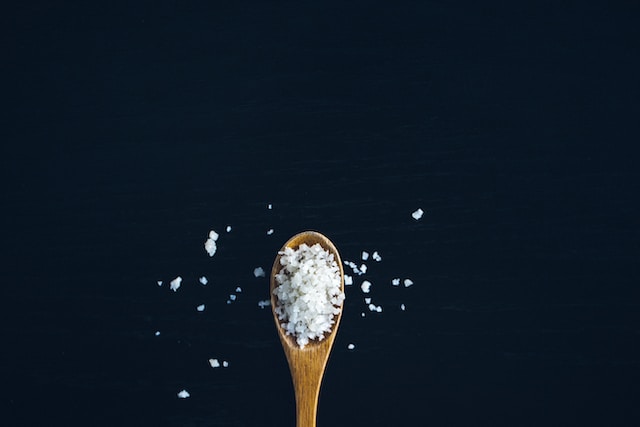
FAQs: What are some low-sodium alternatives to salt for flavoring food?
1. Herbs and Spices
Herbs and spices have been used for centuries to add flavor to food. They are an excellent salt substitute and can be used in various cooking styles. Some common herbs and spices include:
- Basil
- Oregano
- Thyme
- Garlic
- Ginger
- Paprika
2. Citrus Fruits
Citrus fruits are an excellent source of flavor and can be used to replace salt in some dishes. They add a zesty flavor to the food and are also high in vitamin C. Some common citrus options include:
- Lemon
- Lime
- Orange
- Grapefruit
3. Vinegars
Vinegars are a great low-sodium alternative to salt. They can be used in marinades, dressings, and sauces. Here are some common options:
- Balsamic vinegar
- Apple cider vinegar
- Red wine vinegar
4. Low-Sodium Soy Sauce
Soy sauce is loaded with sodium, but you can find low-sodium soy sauce in most grocery stores. It’s a flavorful alternative to salt and can be used in stir-fry and marinades.
5. Vegetable Broth
Vegetable broth is a low-sodium alternative to salt that can be added in soups and stews. It adds flavor and depth to the dish.

Himalayan Salt: The Best Salt Choice for Your Health
Introduction to Himalayan Salt
Himalayan salt is a mineral-rich salt that is mined from the Khewra Salt Mine in Pakistan. It is commonly known as pink salt due to its pinkish hue. Himalayan salt is considered to be one of the purest salts on the planet and is becoming increasingly popular due to its various health benefits.
What Makes Himalayan Salt Unique?
Himalayan salt contains more than 80 minerals and trace elements that are essential for good health. Some of these minerals include iron, potassium, magnesium, and calcium. It is also a naturally occurring salt and has not been processed, unlike table salt. This means that it does not contain any harmful additives like anti-caking agents, iodine, or fluoride.
The Health Benefits of Himalayan Salt
Himalayan salt has many health benefits that make it a smart choice for anyone looking to improve their health. Some of these benefits include:
- Improved digestion and nutrient absorption
- Reduced risk of cardiovascular disease
- Regulated blood sugar levels
- Increased energy levels
- Improved skin health
How to Use Himalayan Salt
Himalayan salt can be used in a variety of ways, including:
- As a cooking salt
- In a salt inhaler for respiratory health
- In a bath to detoxify the body
- As a natural deodorant
If you want to experience the benefits of Himalayan salt, consider incorporating it into your daily routine. You can purchase Himalayan salt at your local health food store or online.
Outbound Link
For more information on Himalayan salt, visit https://en.wikipedia.org/wiki/Himalayan_salt.
Low-Sodium Alternatives to Salt for Flavoring Food
- Herbs and spices (e.g. rosemary, turmeric, cumin)
- Garlic and onion powder
- Citrus juices (e.g. lemon, lime)
- Vinegar
- Low-sodium soy sauce or tamari
- Flavored oils (e.g. olive oil infused with herbs)
- Mustard
- Nutritional yeast
- Low-sodium broth or stock
- Hot sauce