


Contents
Differences Between Table Salt and Sea Salt
Table salt and sea salt are two commonly used types of salt in cooking and seasoning. While both contain sodium chloride, they differ in their texture, taste, and processing methods. Here are some of the differences between table salt and sea salt:
- Texture: Table salt is fine-grained and uniform in texture, while sea salt comes in various coarseness and crystal sizes.
- Taste: Sea salt is often considered to have a more complex, nuanced flavor compared to table salt, which is described as plain and salty.
- Processing: Table salt is heavily processed and often contains anti-caking agents and other additives, while sea salt is harvested from evaporated sea water and undergoes minimal processing.
- Nutrition: While both types of salt contain the same amount of sodium, sea salt is often marketed as a more natural and healthier option due to its lack of additives and trace minerals such as magnesium and potassium.
So, while both table salt and sea salt can be used in cooking, their differences may affect the taste and nutritional value of your dishes. Experiment with different types of salt to find which one best suits your needs and preferences.

Introduction
Salt is an essential ingredient in every kitchen. It is used to enhance the taste of food and also has many health benefits. However, not all salts are created equal. Two of the most popular types of salt are table salt and sea salt. While they both serve the same purpose, there are some significant differences between them.
What Is Table Salt?
Table salt, also known as iodized salt, is the most common type of salt found in households. It is created by mining salt deposits from underground and refining them to remove any impurities. During this process, table salt is chemically treated with iodine, which is essential for maintaining a healthy thyroid gland.
Pros of Table Salt
- Cheap and easily available.
- Contains iodine, which is beneficial for thyroid function.
- Does not clump together.
Cons of Table Salt
- May contain additives like anti-caking agents and preservatives.
- May have a harsh taste.
- Not as flavorful as sea salt.
What Is Sea Salt?
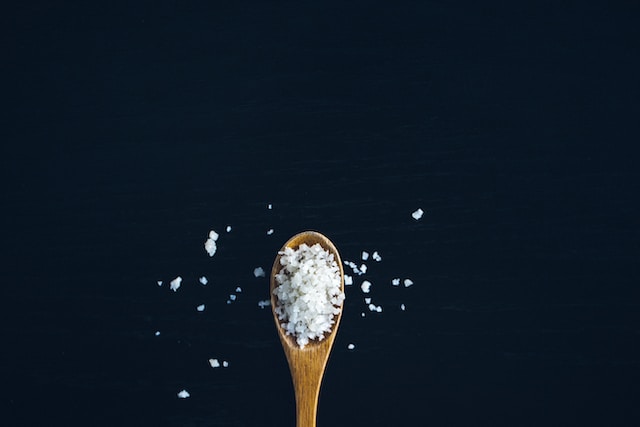
Sea salt, as the name suggests, is obtained by evaporating seawater. It is harvested from saltwater bodies like oceans, lakes, and lagoons. Sea salt is minimally processed, and it naturally contains trace minerals like magnesium, potassium, and calcium.
Pros of Sea Salt
- Rich in minerals and nutrients.
- Has a distinct taste that enhances the flavor of food.
- No additives or chemicals are added.
Cons of Sea Salt
- May contain environmental contaminants like heavy metals.
- May clump together.
- More expensive than table salt.
Which Is Better?
Both table salt and sea salt have their advantages and disadvantages. The better option depends on individual taste and health preferences. If you are looking for a salt that is rich in minerals and has a distinct taste, sea salt is your best bet. However, if you are concerned about iodine deficiency, table salt is the way to go.
Conclusion
Table salt and sea salt are two of the most popular types of salt available. While they share some similarities, they are also different in many ways. It is essential to choose the right type of salt based on individual taste preferences and health requirements.
References
To learn more about the differences between table salt and sea salt, you can visit the following websites:
- https://www.healthline.com/nutrition/table-salt-vs-sea-salt
- https://www.foodnetwork.com/healthyeats/2015/02/whats-the-difference-between-sea-salt-and-table-salt
Frequently Asked Questions About Table Salt and Sea Salt
What is Table Salt?
Table salt is a highly refined salt that is primarily composed of sodium chloride. It is typically mined from underground salt deposits and then processed to remove any impurities. During the refining process, iodine is often added to table salt to prevent iodine deficiency in humans.
What is Sea Salt?
Sea salt is a type of salt that is harvested from evaporated seawater. It is usually less processed than table salt and contains various minerals and trace elements that are naturally present in seawater. Sea salt can have a different taste and texture than table salt due to its mineral content.
What are the Differences Between Table Salt and Sea Salt?
The main differences between table salt and sea salt are their origin, texture, taste, and mineral content. Table salt is highly refined, while sea salt is harvested from evaporated seawater. Sea salt may contain more minerals and trace elements than table salt, while table salt typically contains iodine. Sea salt may also have a slightly different taste and texture than table salt due to its mineral content.
Is Sea Salt Better for You Than Table Salt?
Sea salt is often marketed as a healthier alternative to table salt because of its mineral content. However, the actual health benefits of sea salt compared to table salt are minimal. Both types of salt contain primarily sodium chloride, which can contribute to high blood pressure and other health issues when consumed in excess. The best way to reduce your sodium intake is to limit your overall salt consumption and choose lower-sodium alternatives when possible.

The Advantages of Using Himalayan Pink Salt
Many people are unaware that there are many options for salt available in the market. Himalayan Pink Salt is a popular variety among them. This article will explain the benefits of using this type of salt in cooking.
What is Himalayan Pink Salt?
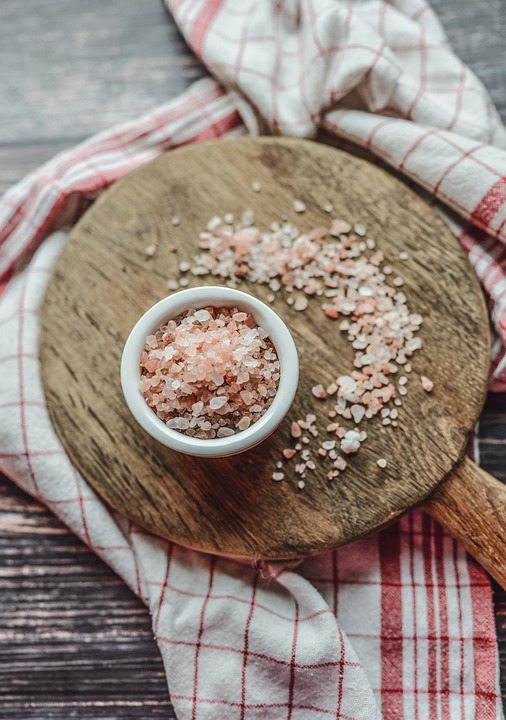
Himalayan Pink Salt, as the name suggests, is a salt that is derived from the Himalayan Mountains in Asia. The salt is naturally mined and harvested from ancient mineral deposits that are located deep within the mountains. It comes in large chunks or grains that are varying shades of pink, and has a distinct flavor and texture.
Health Benefits of Himalayan Pink Salt
Himalayan Pink Salt has several health benefits, some of which include:
- Rich in minerals: Himalayan Pink Salt contains up to 84 trace minerals, which are important for maintaining a healthy body.
- Regulates water in the body: The salt’s unique mineral content helps regulate the amount of water in your body’s cells, preventing dehydration and maintaining a healthy balance of fluids in your body.
- Improves digestion: Himalayan Pink Salt helps the stomach produce digestive juices, which improves digestion and nutrient absorption in the body.
- Promotes healthy sleep: The salt’s mineral content can help calm the nervous system and promote restful sleep.
Final Thoughts
Overall, Himalayan Pink Salt is a healthier option compared to traditional table salt. Its unique mineral content provides several health benefits that are not found in regular table salt. Consider switching to this type of salt for a healthier option during meal preparations!
For more information on Himalayan Pink Salt, check out Himalayan Salt Wikipedia page
Differences Between Table Salt and Sea Salt
- Table salt is typically mined from underground salt deposits, whereas sea salt is obtained through the evaporation of seawater.
- Table salt is heavily processed, which results in the removal of minerals and trace elements, whereas sea salt generally retains these minerals.
- Sea salt can have a coarser texture and can come in different colors, while table salt is fine and white.
- Sea salt can have a more complex flavor due to the presence of minerals, whereas table salt may taste more salty because it lacks these minerals.
- Table salt often contains additives such as anti-caking agents and iodine, which are not present in sea salt.
- Sea salt can be more expensive than table salt due to its production process and the fact that it generally contains more minerals.






