



Contents
What is the difference between sea salt and table salt and which is healthier?
Sea salt and table salt are two types of salts that are commonly used in cooking and seasoning. While they may seem similar, there are a few key differences between the two that make them unique.
Table Salt:
Table salt is a refined and processed salt that is usually mined from underground salt deposits. It is heavily processed to remove impurities and minerals, which gives it a uniform texture and taste. Table salt is typically fortified with iodine, a nutrient that is important for thyroid health. Table salt is widely available, inexpensive and is often used in cooking or as a seasoning on food. However, consuming too much table salt can lead to health problems like high blood pressure, heart disease, and stroke.
Sea Salt:
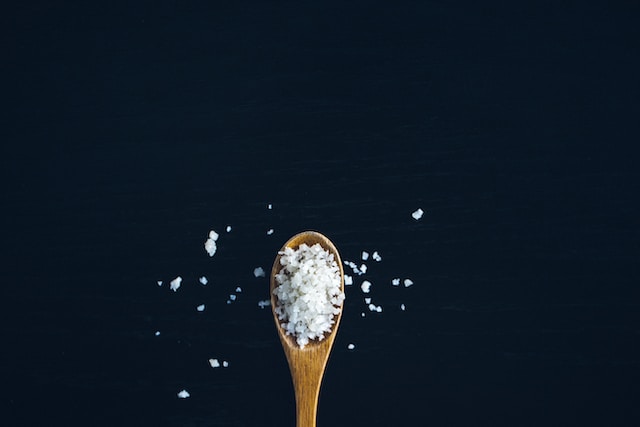
Sea salt is made by evaporating seawater or saltwater lakes, and it is often less processed than table salt. Sea salt can come in various textures and colors, depending on where it is sourced, and it may contain various minerals and trace elements that are beneficial to health. Unlike table salt, sea salt is not fortified with iodine, and it generally has a milder taste than table salt. Sea salt is usually more expensive than table salt, but it is becoming increasingly popular as people look for healthier and more natural alternatives to processed table salt.
Which is healthier:
The jury is still out on which type of salt is healthier. While sea salt may contain more minerals and trace elements, it is still high in sodium, which can have negative health effects when consumed in excess. Table salt, despite being heavily processed and lacking in minerals, does provide important iodine that is necessary for proper thyroid function. Ultimately, the key to a healthy diet is moderation, and it is important to limit overall sodium intake by choosing low-sodium foods and cutting back on added salt in cooking and seasoning.

Introduction
When it comes to salt, there are many different types available on the market. Two of the most popular options are sea salt and table salt. Both are used to add flavor to dishes and come in different varieties. However, there are some key differences between the two that may make you wonder which is the healthier option. In this post, we will explore the difference between sea salt and table salt and which one is better for your health.
What is Sea Salt?
Sea salt is made by evaporating seawater. As a result, it contains trace amounts of minerals such as magnesium, calcium, and potassium, which give it a distinct flavor. Sea salt comes in both fine and coarse varieties, and its texture can vary depending on where it is harvested.
Benefits of Sea Salt
- Contains trace minerals that may be beneficial for your health
- May help to balance electrolytes in your body
- May be less processed than table salt
Drawbacks of Sea Salt
- May contain trace amounts of pollutants from the ocean
- May not be iodized, which is essential for thyroid health
- Usually more expensive than table salt
What is Table Salt?
Table salt is made by mining salt deposits from the earth and then processing it to remove impurities. This process often involves adding chemicals such as anti-caking agents and iodine. As a result, table salt is pure sodium chloride and does not contain any minerals.
Benefits of Table Salt
- Usually fortified with iodine, which is essential for thyroid health
- Less expensive than sea salt
- Easy to find in most grocery stores
Drawbacks of Table Salt
- May contain anti-caking agents and other chemicals
- Does not contain any trace minerals
- May contribute to high blood pressure if consumed in excess
Which is Healthier: Sea Salt or Table Salt?
When it comes to health, there is no clear winner between sea salt and table salt. Both have their advantages and disadvantages, and the choice ultimately depends on your personal preference and health goals.
If you are looking for a salt that is less processed and contains trace minerals, sea salt may be the better option for you. However, you should be aware of the potential for ocean pollutants and the fact that sea salt may not be iodized. On the other hand, if you are concerned about getting enough iodine in your diet, table salt may be the better option for you. Just be mindful of the added chemicals and the potential for high sodium intake.
Conclusion
When it comes to choosing between sea salt and table salt, there is no right or wrong answer. It all depends on what you are looking for in a salt and what your health goals are. Both types of salt can be used to add flavor to dishes, and both have their own unique characteristics. The most important thing is to use salt in moderation and to be mindful of the potential health risks associated with excessive salt intake.
References
- Sea Salt vs. Table Salt: What’s the Difference?
- What are the differences between sea salt and table salt?
- How Much Sodium Should I Eat Per Day?
FAQs
What is the difference between sea salt and table salt?
Sea salt is produced by evaporating seawater, while table salt is mined from salt deposits and then processed to remove impurities and add anti-caking agents. Sea salt is typically less processed and may contain traces of minerals from the sea.
Which is healthier, sea salt or table salt?
Both sea salt and table salt contain the same basic chemical components (sodium and chloride), so from a nutritional standpoint, they are very similar. However, because sea salt is less processed, it may contain small amounts of other minerals that could be beneficial for health.
It’s worth noting that even though sea salt may have some minor nutritional benefits, it should be consumed in moderation just like table salt. Both types of salt should be used in moderation to prevent excessive intake of sodium, which can increase the risk of high blood pressure and other health issues.

Understanding the Health Benefits of Salt
Salt, otherwise known as sodium chloride, is a mineral that has been used as a seasoning for centuries. While consuming too much salt is harmful to the body, a moderate amount of salt in our daily diet is important for maintaining our bodily functions. Here are some of the health benefits of salt:
- Regulates fluid balance in the body
- Helps transmit nerve impulses
- Aids in digestion
- Prevents dehydration
The Role of Salt in Our Food
Salt is a crucial ingredient in many dishes, as it enhances the flavor and adds depth to the taste of various foods. It can be used to season meats, vegetables, and even desserts. Salt is a natural preservative, which is why it is often added to cured or processed foods to extend their shelf life.
Salt and its Impact on Our Health
While consuming too much salt can lead to several health problems, such as high blood pressure and cardiovascular disease, avoiding salt altogether can also have negative impacts on our health. Our body needs a certain amount of sodium to function properly. It is, therefore, recommended to consume salt in moderation and to choose unprocessed foods that contain natural sodium.
For more information on salt and its benefits, you can visit the Wikipedia page on Salt.
What is the difference between sea salt and table salt and which is healthier?
- Sea salt is produced by evaporating seawater, while table salt is mined from underground deposits.
- Sea salt often contains trace minerals, such as magnesium, potassium, and calcium, whereas table salt is usually supplemented with iodine.
- Sea salt is less processed than table salt and may have a coarser texture and stronger flavor.
- Both types of salt contain sodium, which can be harmful to health when consumed in excess.
- In moderation, sea salt and table salt can be part of a healthy diet, but it is recommended to limit overall sodium intake.
- Overall, there is no clear winner in terms of health benefits between sea salt and table salt.